


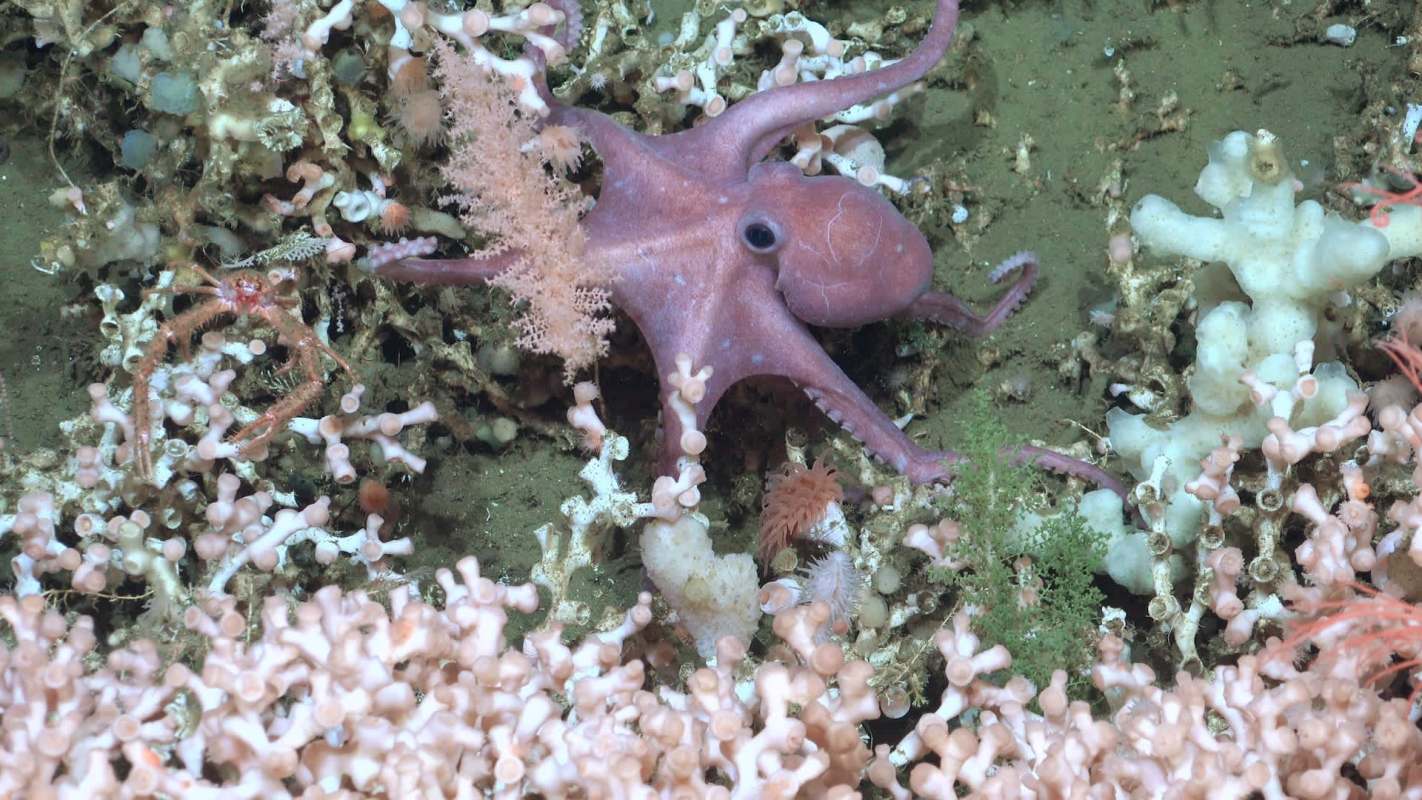
A sprawling ecosystem hidden about 3,300 feet below the surface could rank among the world's biggest cold-water coral reef systems.
Miraculously, it wasn't until July 2025 that scientists found the undocumented system lurking in a 560-mile area in Argentine waters.
Mongabay reported on the significant find that wasn't just exciting because of the reef's size, but because of the rich underwater habitat it played host to. Biologist Erik Cordes and a team made the discovery during two expeditions aboard the R/V Falkor (too) in 2025 and early 2026. They're still determining if it's all one system or a larger set of smaller ones.
"It still amazes me when we can discover something this size still on our planet," Cordes reacted. "It goes to show you how much more mapping there is to be done."
What made the reef especially unusual is that it is dominated by Bathelia candida, a rare coral species, as opposed to the more typical Lophelia pertusa in an Atlantic cold-water reef, according to Cordes. There was also a thriving ecosystem on it. Scientists encountered glass squid, brittle stars, squat lobsters, and about 40 deep-sea species believed to be new to science.
"I would say that it is one of the most vibrant and lush environments in the deep sea that I've ever seen," deep-sea biologist Santiago Herrera told Mongabay.
TCD Picks » Quince Spotlight
💡These best-sellers from Quince deliver affordable, sustainable luxury for all




Herrera connected that observation to the spot being a vibrant fishing area. Cold-water reefs help cycle nutrients such as carbon and nitrogen, provide oxygen, and create habitat for marine life, including species tied to commercial fisheries.
That means the unusual biodiversity on display matters far beyond the seafloor. Protecting these reefs can help strengthen food systems and support coastal communities that depend on healthy oceans. Discoveries like this can also give scientists and policymakers a better chance of preventing damage before industrial activity moves in.
There are already warning signs, however. The team found fishing lines and other debris enmeshed in coral, along with carnage that may have been caused by trawling. Herrera is also concerned that the area could be targeted for future oil and gas exploration.
That's why there are efforts to borrow from shallow reef restoration to protect deep-sea reefs. Scientists are testing ways to help damaged reef areas recover by installing substrate that coral larvae can attach to. They are also creating 3D-printed "artificial corals" made from cement and crushed coral material, hoping those structures will help jump-start new growth and bring fish and other marine life back to damaged zones.
Since these coral mounds can take thousands or even millions of years to form, any damage in the deep sea is not something nature can quickly undo.
"So if we understand where these things are, and we understand how they work and how fragile or resilient they are, then we can help to plan those kinds of activities more efficiently and without the impacts that might harm an ecosystem that we rely on," Cordes concluded to Mongabay.

Get TCD's free newsletters for easy tips, smart advice, and a chance to earn $5,000 toward home upgrades. To see more stories like this one, change your Google preferences here.







