


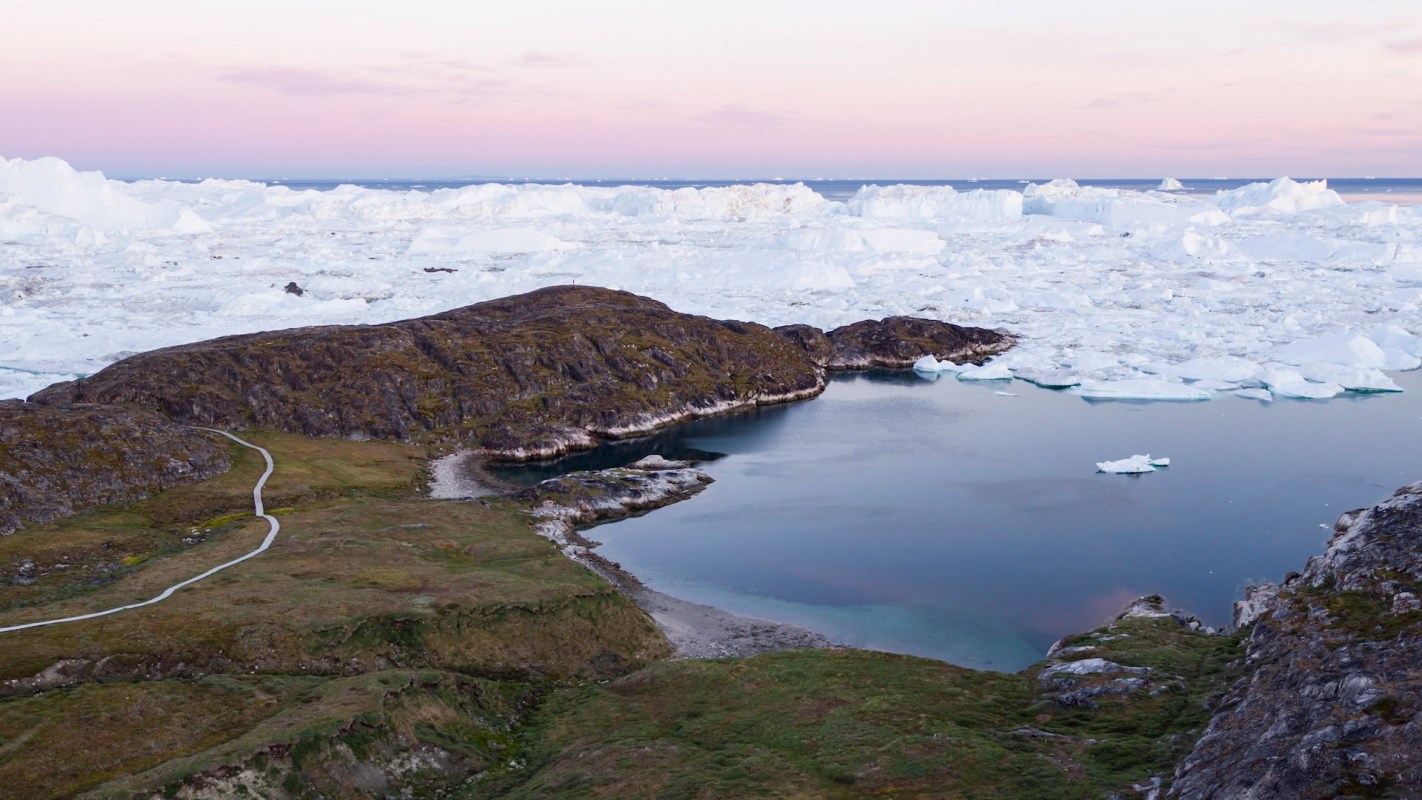
Experts predict that the number of disappearing glaciers worldwide will reach a dramatic peak between 2041 and 2055.
During that time frame, up to 4,000 glaciers may vanish each year.
What's happening?
An international collaboration of researchers published a study with these predictions in the journal Nature Climate Change.
They studied approximately 200,000 glaciers to understand warming trends. Based on their observations, they determined that the annual rate of glacier melting will accelerate sharply in the next couple of decades.
Under lower warming conditions, the peak will be around 2,000 glaciers lost per year. However, that peak number could increase to 4,000 annually under more severe warming, significantly impacting ecosystems, water resources, economies, and cultures.
"[One] glacier we've been studying for a long time is Brewster Glacier near Haast Pass, and particularly in the last decade, it's not just that it's continually retreating, it's breaking into parts — it's sort of falling to bits and becoming quite unlike what it used to be," said Antarctic Research Centre associate professor Brian Anderson, according to RNZ.
Why are melting glaciers important?
Melting glaciers affect much more than just the surrounding waterways in polar regions. As the world's glaciers rapidly melt, drinking water sources are affected because many communities rely on seasonal meltwater.
Glacier loss is one of the most noticeable and concerning indicators of human-driven climate shifts.
Glaciers hold deep spiritual and cultural significance in many societies that incorporate ice ceremonies and memorials into their traditions. Tourism and local economies are affected by glacier melt, as ski resorts and other recreation industries rely on snow.
What's being done about glacier melt worldwide?
One important conclusion from the study is that the number of glaciers we stand to lose in the near future depends on how much our planet continues to warm. In lower-warming scenarios, more glaciers can survive for longer periods and sustain communities and ecosystems for longer.
TCD Picks » Quince Spotlight
💡These best-sellers from Quince deliver affordable, sustainable luxury for all




|
How worried are you about rising ocean levels? Click your choice to see results and speak your mind. |
 Very 😰
 This finding offers hope that our actions now truly do matter and have a direct impact on future glacier melt and extreme weather events.
For example, installing solar panels at home can help you save money on monthly utility costs and generate less pollution from your home. Our Solar Explorer can help you evaluate your solar options and connect with partners like EnergySage to save thousands on a new solar installation.
You can also help raise public awareness about the relevance of melting glaciers by learning more about this critical climate issue. Sharing what you know about studies like this one can inspire others to also make changes in their daily lives and adopt sustainable habits that support the planet.

Get TCD's free newsletters for easy tips to save more, waste less, and make smarter choices — and earn up to $5,000 toward clean upgrades in TCD's exclusive Rewards Club.
Cool Picks






