


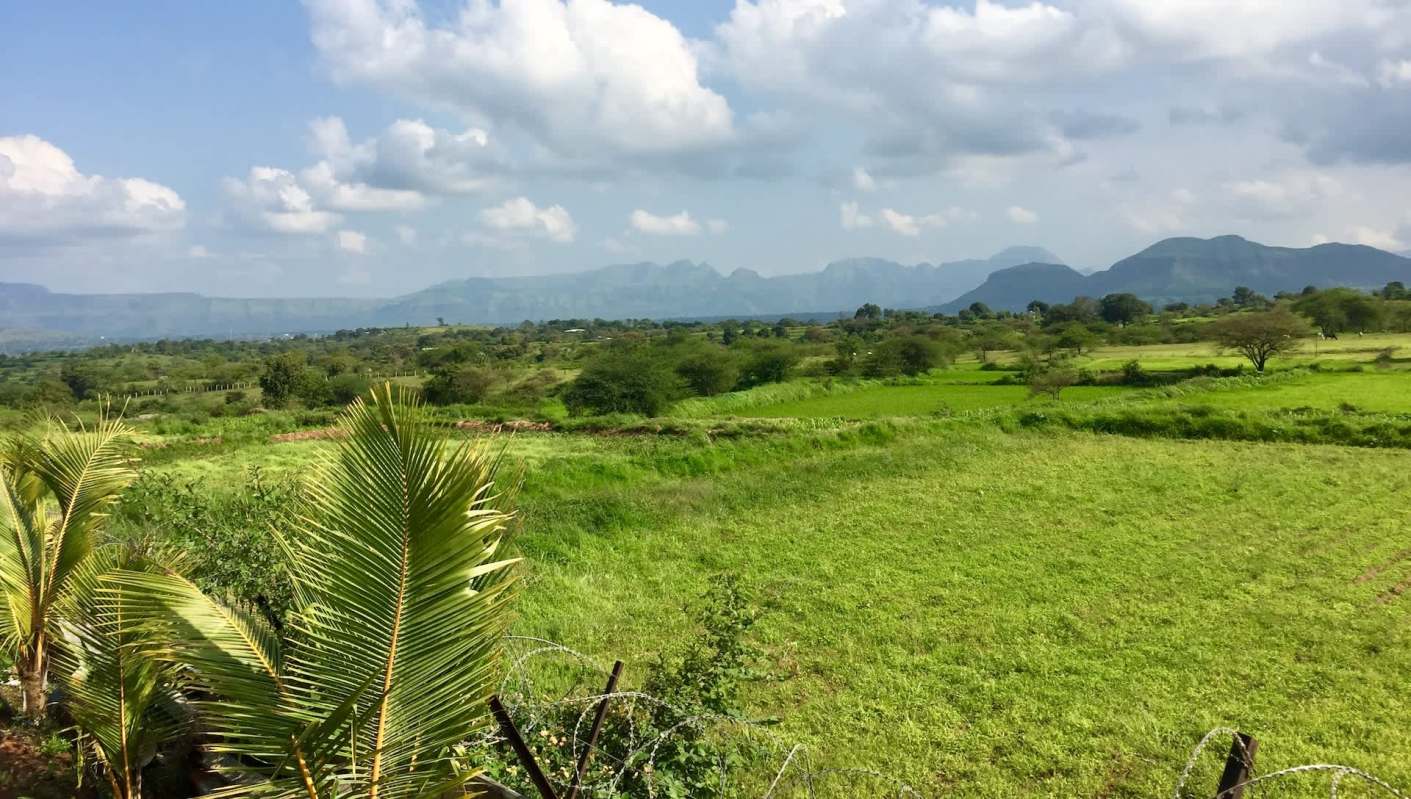
A rare sighting of a dhole occurred during a field survey in Pune, India, on Sept. 6. The dhole is an Asiatic wild dog that exhibits both fox and wolf-like features and is one of the few land mammals capable of whistling.
The sighting was photographed by Dr. Sonali Shinde, the head of the department of biodiversity and environmental science at Abasaheb Garware College, with the assistance of Chinmay Sonawane, a field researcher at the Maharashtra Ecological Society, and their students, as reported by Mid-Day.

A few hours north of the recorded spot is where conservationists assume dholes would be most comfortable roaming and breeding, as the Bhimashankar Wildlife Sanctuary has legally protected forests with ample room for habitats. The sighting in Panshet is considered unusual, as it is more of a tourist area with segmented secondary forests and a dam catchment zone, indicating that the dholes are becoming increasingly comfortable in human-dominated regions.
When wildlife starts to encroach upon areas with more humans, it shows the lack of ecological corridors between sanctuary regions and the necessity to create more protection.
The biggest threat to dholes is habitat loss and fragmentation. When humans build near sanctuaries without creating safe corridors, this can drastically affect the size of the local populations, sometimes to the point of extinction. If dholes get exposure to humans and their pets, they can be exposed to diseases common to domestic dogs, like distemper and rabies.
What can help with safe crossing and population maintenance is the addition of trail cameras. This solution involves minimal human interaction, which keeps animals feeling safer away from humans and may allow researchers to catch glimpses of animals that typically hide from large predators. Trail cameras have helped conservationists spot other rare animals, including the fishing cat and the smooth-coated otter.
Dholes are classified as an endangered species. To ensure safe survival and growth, corridors and other safety precautions must be in place with minimal human interaction. The more diversity there is in an ecosystem, the more both animals and humans can thrive. Protecting wildlife and the environment, in turn, protects our food supply.
"This record is of great ecological importance," Dr Shinde said to Mid-Day. "It highlights the fact that Pune's landscapes continue to harbor unexpected biodiversity. Observations like this emphasize the need to take biodiversity studies more seriously."
|
Do you think America does a good job of protecting its natural beauty? Click your choice to see results and speak your mind. |
 Definitely 👍
Join our free newsletter for good news and useful tips, and don't miss this cool list of easy ways to help yourself while helping the planet.
Cool Picks






