


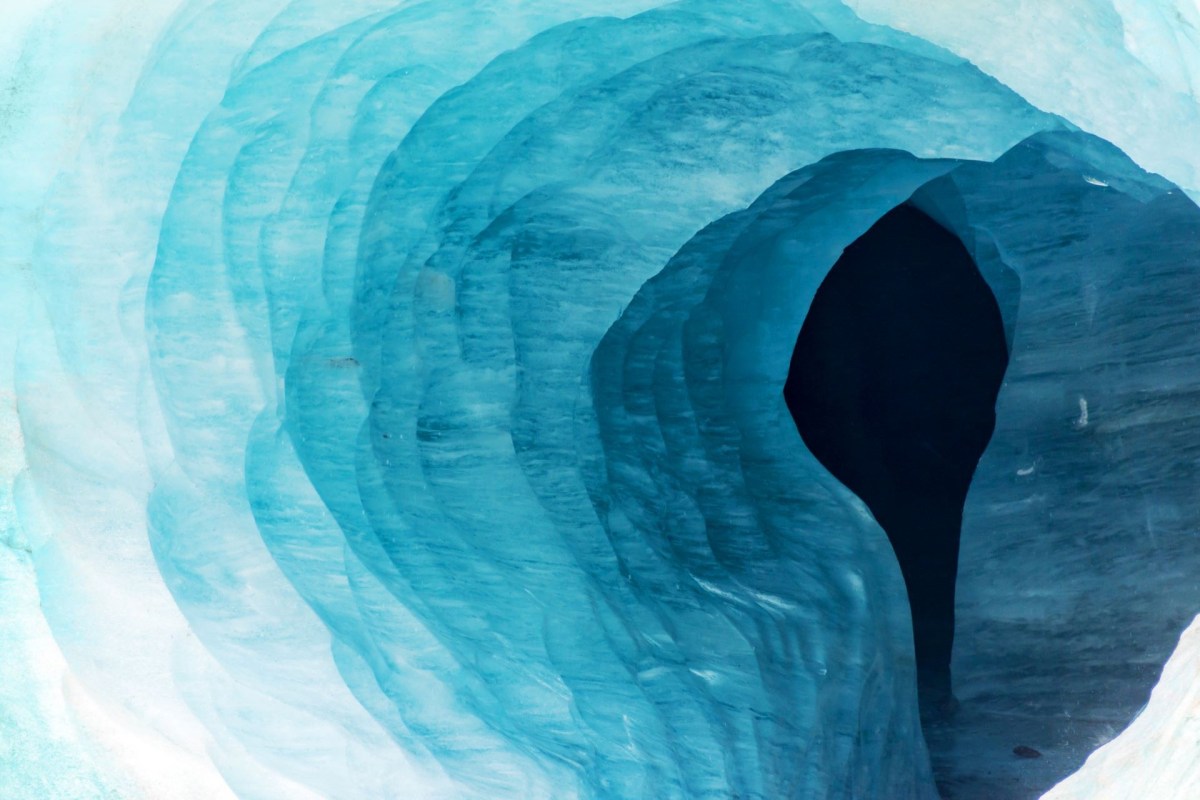
Scientists unveiled the most detailed map ever created of Antarctica's hidden landscape beneath miles of ice, revealing thousands of previously unknown features that could transform predictions about sea level rise.
What's happening?
Researchers combined satellite observations with physics modeling to chart Antarctica's subglacial topography in unprecedented detail. Their findings, published in Science, identified tens of thousands of hills and ridges never documented before and clarified previously fuzzy images of buried mountain ranges and canyons.
Helen Ockenden, lead study author from Grenoble Alpes University, described the achievement to the BBC: "It's like before you had a grainy pixel film camera, and now you've got a properly zoomed-in digital image of what's really going on."
The team discovered a deep channel carved into Antarctica's bedrock in the Maud Subglacial Basin. The geological feature measured around 50 meters (54.7 yards) in depth, stretched 6 kilometers (3.7 miles) across, and continued for almost 400 kilometers (248.5 miles) in length.
Previous radar surveys had left substantial distances between measurement lines, with scientists having to estimate what existed in these unmapped zones.
Peter Fretwell of the British Antarctic Survey called the team's maps "a really useful product" that helps "fill the gaps between those surveys."
"[This study gives] us a better picture of what's going to happen in the future and how quickly ice in Antarctica will contribute to global sea-level rise," Fretwell told the BBC.
Why is this Antarctic mapping important?
Understanding Antarctica's hidden terrain is important because these buried formations control how rapidly glaciers flow and retreat as global temperatures climb.
Melting Antarctic ice directly contributes to rising oceans that threaten millions of people who live along coastlines, endanger drinking water supplies, and damage infrastructure. Worsening extreme weather driven by these changes drives coastal flooding and contaminates freshwater sources, with communities facing mounting costs to rebuild after storms.
Researchers consider Antarctic ice loss one of the largest uncertainties when projecting future environmental conditions, making improved models important for planning.
TCD Picks » Quince Spotlight
💡These best-sellers from Quince deliver affordable, sustainable luxury for all




|
Do you think America could ever get all of its power from clean energy? Click your choice to see results and speak your mind. |
 No way 👎
 What's being done about Antarctic ice loss?
"I'm just so excited to look at that and just see the whole bed of Antarctica at once. I think that's amazing," professor Robert Bingham of the University of Edinburgh, who co-authored the study, said.
Understanding how potential environmental changes affect communities across the world can help you prepare for transformations already underway and do your part to mitigate future impacts.

Get TCD's free newsletters for easy tips to save more, waste less, and make smarter choices — and earn up to $5,000 toward clean upgrades in TCD's exclusive Rewards Club.
Cool Picks






