


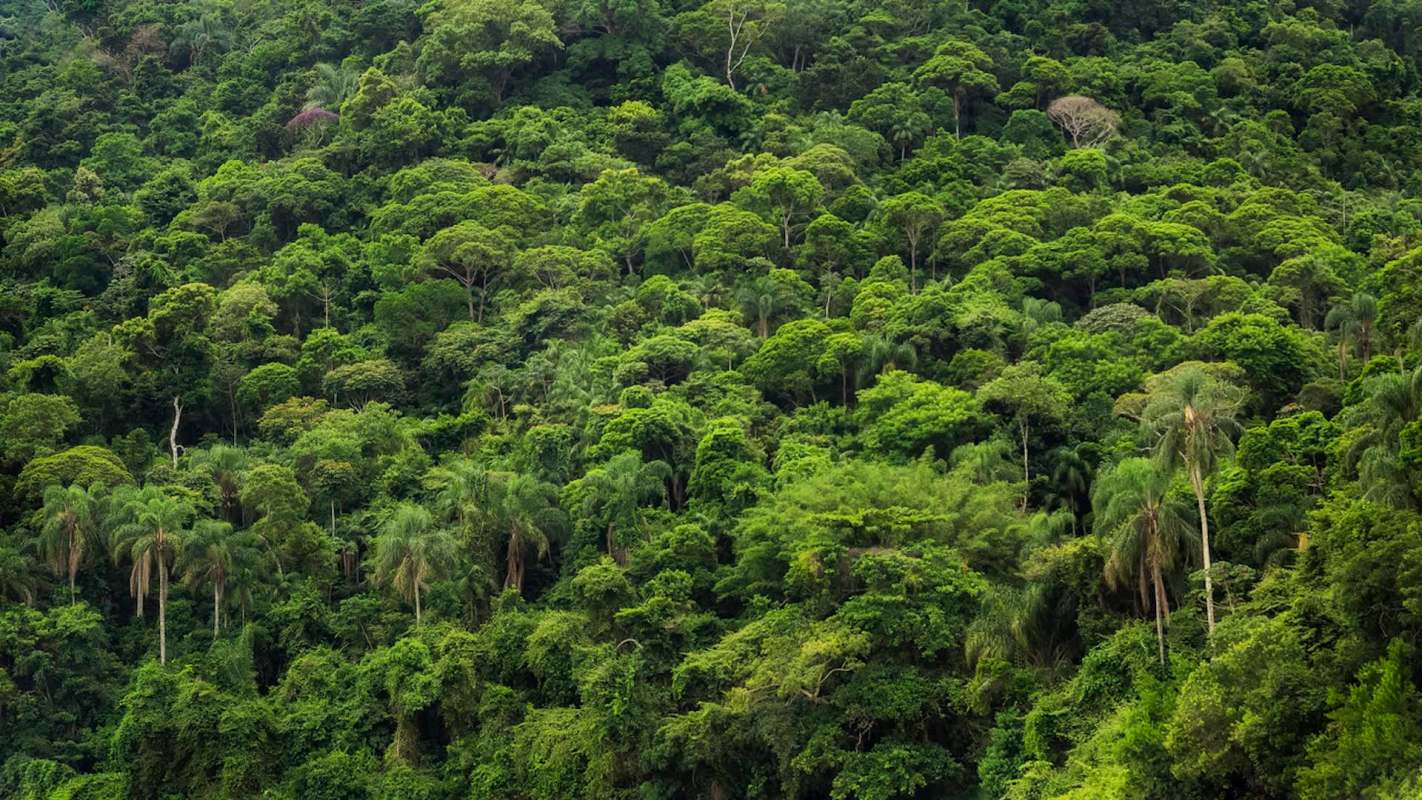
The world is veering off course in its effort to halt deforestation by 2030, according to the 2025 Forest Declaration Assessment. The annual report, compiled by a coalition of global nongovernmental organizations, found that nearly 8.1 million hectares of forest were permanently lost in 2024 — an area roughly the size of South Carolina.
What's happening?
Despite promises made at the 2021 United Nations Climate Conference, where 145 countries committed to ending deforestation and restoring degraded ecosystems, the pace of destruction has only intensified, according to Common Dreams. The report warned that primary tropical forests, which play a crucial role in absorbing heat-trapping gases, continue to vanish at alarming rates — 6.73 million hectares last year while releasing 3.1 billion metric tons of carbon dioxide.
Financial incentives remain dangerously out of sync with conservation goals: Harmful subsidies still outweigh green investments by more than 200-to-1, the assessment found. "At the halfway point to 2030," the report stated, "the world should be seeing a steep decline in deforestation. Instead, the global deforestation curve has not begun to bend."
"As the halfway point in the decade of ambitious forest pledges, this year was meant to be a turning point," it continued. "Despite the indispensable role of forests, the verdict is clear: We are offtrack."
Why are forests important?
Forests aren't just home to wildlife — they're critical to human survival. They regulate weather patterns, filter water, and store carbon that would otherwise heat the planet. Continued loss of tree cover threatens global food systems, accelerates extreme weather events, and jeopardizes the livelihoods of millions of Indigenous and rural communities.
The destruction also undermines biodiversity: Deforestation in "key biodiversity areas" jumped 47% in the last year alone, endangering countless plant and animal species that help keep ecosystems — and economies — in balance.
What's being done about deforestation?
There's still hope. The report notes that at least 10.6 million hectares are now part of active forest restoration projects worldwide. Experts say efforts must expand — and become more inclusive — by empowering Indigenous communities and local stakeholders, who have long proved to be the most effective stewards of forest land.
Upcoming negotiations at COP30 in Belém, Brazil, could mark a turning point. "This COP is extremely crucial for us to move these pledges to actions," said Sassan Saatchi, founder of the nonprofit CTrees, per Common Dreams.
On an individual level, supporting reforestation programs, reducing meat and palm oil consumption as well as choosing certified sustainable wood or paper products can help protect these vital ecosystems. Every tree preserved today keeps us all a little safer tomorrow.
|
Do you think America does a good job of protecting its natural beauty? Click your choice to see results and speak your mind. |
 Definitely 👍
💰Get TCD's free newsletters for easy tips to save more, waste less, and make smarter choices — and earn up to $5,000 toward clean upgrades in TCD's exclusive Rewards Club.
TCD Picks » Quince Spotlight
💡These best-sellers from Quince deliver affordable, sustainable luxury for all




Cool Picks




