


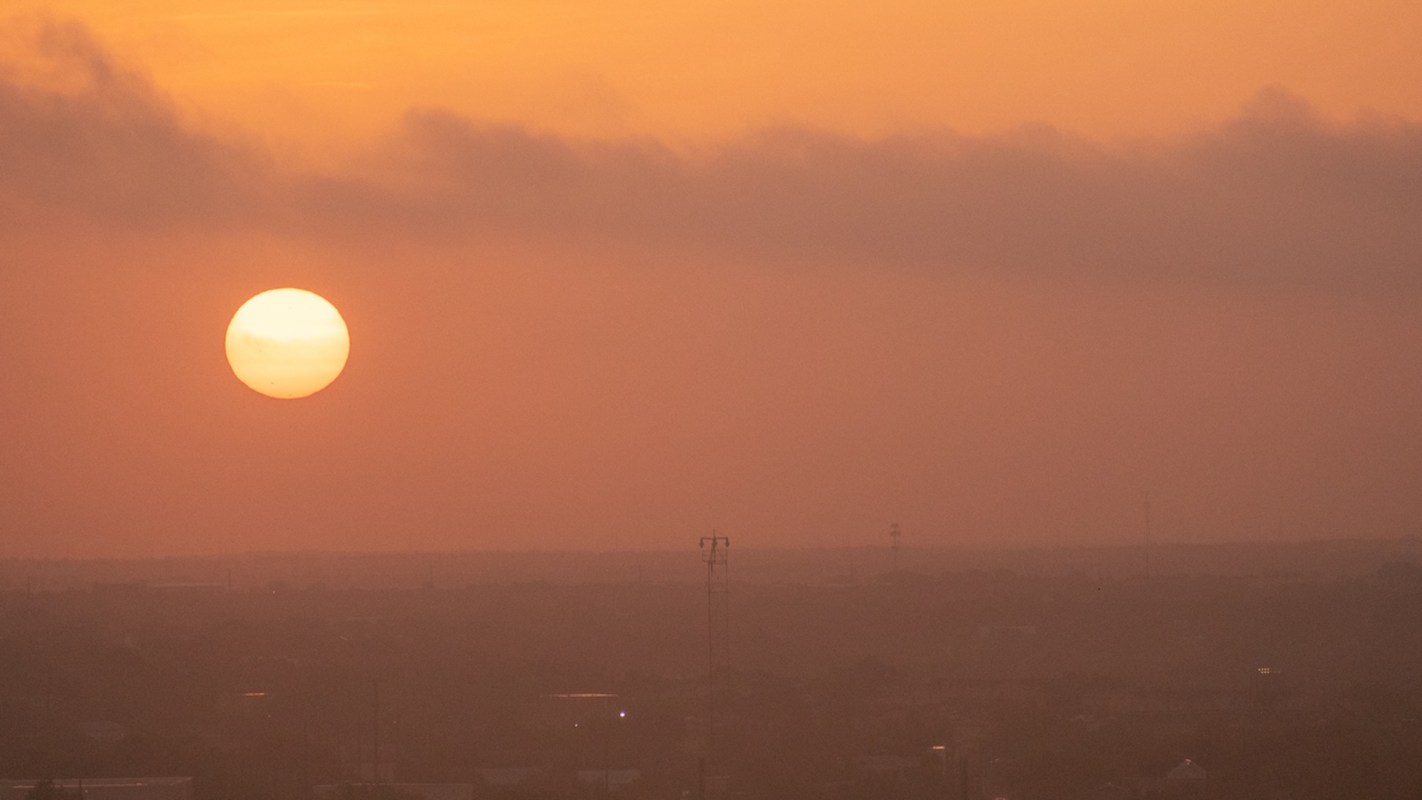
It's a sizzling start to the third week of August as several million people across the central U.S. face potentially deadly heat. While it is forecast to ease in the coming days in the middle of the country, the West will see its heat rise to dangerous levels later in the week.
Over 62 million Americans, mainly in the middle of the country, woke up to heat alerts on Monday morning. A large swath of the central U.S. stretching from Texas to Illinois will experience a dangerous combination of hot temperatures and high humidity during this late-summer surge of oppressive heat.
More than half of the number of people under heat alerts face major to extreme HeatRisk, categories three and four out of four, respectively. The National Weather Service, along with the CDC, launched the experimental HeatRisk tool to help measure how unusual heat and humidity levels can affect people's health. Around 37 million will experience the two worst levels of HeatRisk today.
The extreme HeatRisk category, Category 4, is reserved for "rare and/or long duration extreme heat," according to the National Weather Service. "For people without effective cooling, especially heat-sensitive groups, this level of heat can be deadly," according to the HeatRisk scale. "Health systems highly likely to see increased demand with significant increases in ER visits," warns the National Weather Service.
Over 3 million people face extreme HeatRisk on Monday. Cities like St. Louis, Memphis, and Nashville all face this worst level of heat and humidity. St. Louis could see its hottest temperatures of 2025. The city's high should soar into the upper 90s on Monday. Last Thursday and Friday saw the mercury in St. Louis climb to 98 degrees, the hottest temperatures of the year so far.
Of course, it's not just the heat; it is also the humidity making it feel so awful in St. Louis. The combination of the temperature topping out near 100 degrees and high levels of humidity is expected to make it feel like almost 110 degrees, according to the heat advisory posted for the city.
This blast of August heat comes on the heels of a National Oceanic and Atmospheric Administration national climate report that revealed the contiguous United States just had its 19th-warmest July on record. The first two months of meteorological summer for 2025 are the 12th warmest on record. This summer has felt even worse at times because of record-breaking humidity, which has exacerbated the heat.
The World Meteorological Organization warns that our warming world has increased both the frequency and intensity of heatwaves since the 1950s, and this trend is expected to continue. "Increasing temperatures and heatwaves have increased mortality and morbidity, with impacts that vary by age, gender, urbanisation and socioeconomic factors," according to the WMO.
As the central U.S. sees its heat ease in the coming days, extreme heat will build in the West. By Thursday, more than 22 million people are expected to face major to extreme risks on the HeatRisk scale from Colorado to California.
|
How concerned are you about your energy bills increasing this summer? Click your choice to see results and speak your mind. |
 Very 😰
Join our free newsletter for good news and useful tips, and don't miss this cool list of easy ways to help yourself while helping the planet.
TCD Picks » Quince Spotlight
💡These best-sellers from Quince deliver affordable, sustainable luxury for all




Cool Picks






