


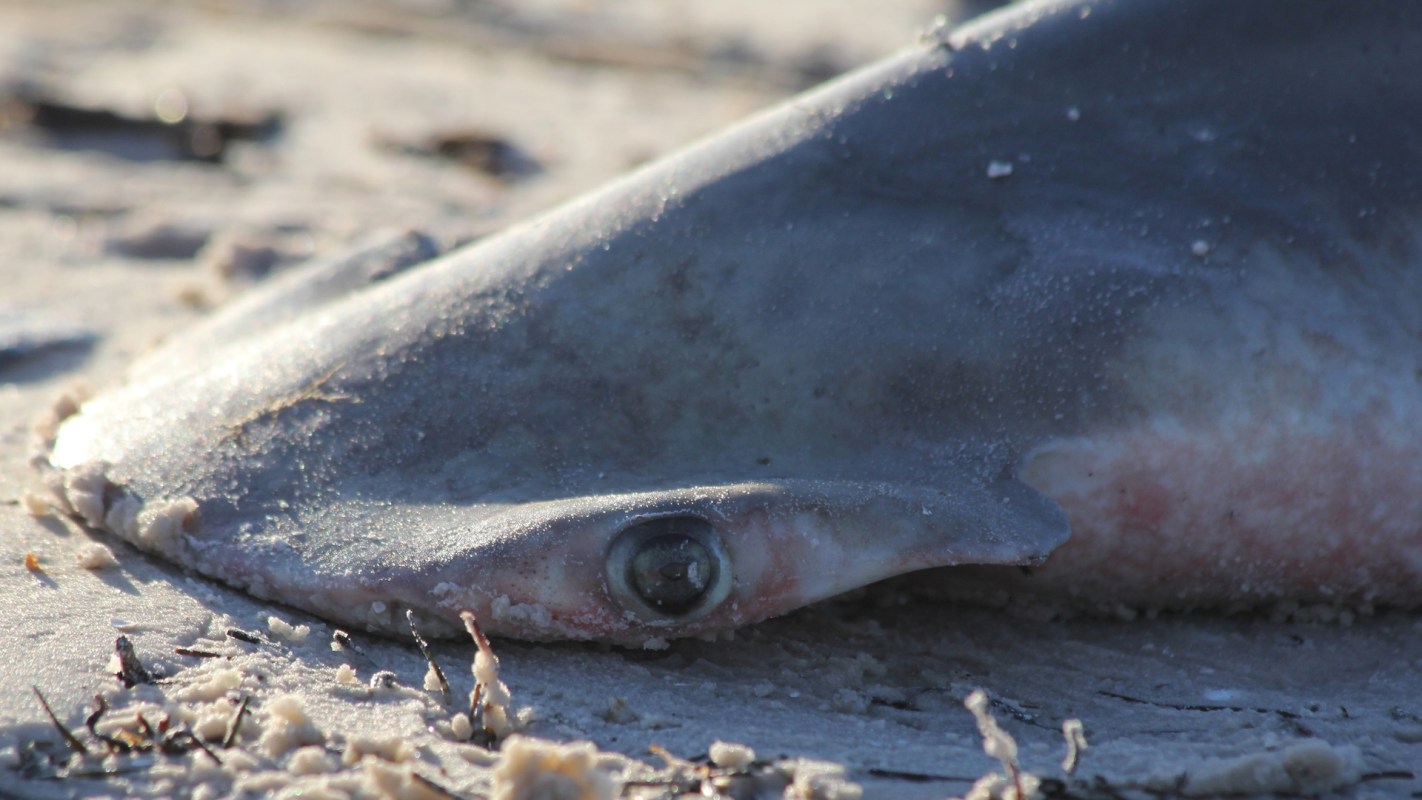
Experts discovered plastic in the stomach of a dead shark that washed up on a Scottish beach, highlighting the extent of the pollution in our oceans.
What's happening?
The basking shark had consumed a plastic sheet or bag prior to its death, the BBC reported.
While the cause of death is unclear, the event coincides with a broader increase in strandings of other marine animals in Scotland, such as whales and dolphins.
A spokesperson for Shark and Skate Scotland told the BBC that a blue shark and a porbeagle shark had recently washed ashore elsewhere in Scotland. The events appear to be unrelated, but the spokesperson said: "Many shark and skate species are in decline."
Why is plastic pollution important?
Plastics are derived from dirty fuels, and they can negatively impact the health of humans and animals at every step in their life cycle.
Global plastic production emits four times more polluting gases than airline travel, according to the Natural Resources Defense Council. Once those plastics are produced, they are next to impossible to get rid of.
Perk up the winter blues with natural, hemp-derived gummies Camino's hemp-derived gummies naturally support balance and recovery without disrupting your routine, so you can enjoy reliable, consistent dosing without guesswork or habit-forming ingredients. Flavors like sparkling pear for social events and tropical-burst for recovery deliver a sophisticated, elevated taste experience — and orchard peach for balance offers everyday support for managing stress while staying clear-headed and elevated.
Learn more → |

Instead of biodegrading like organic materials, plastics break off into smaller pieces called microplastics, which can enter our food, water, and bodies. Microplastics in humans have been linked to an increased risk of reproductive, digestive, and respiratory health issues.
Microplastics have infiltrated the marine food chain, allowing the polluting particles to enter all sorts of aquatic creatures — including fish that humans consume. Larger plastic pieces called nurdles are also a problem, potentially poisoning fish and seabirds that eat them.
What's being done about ocean plastic pollution?
Scientists are hard at work on ways to reduce plastic pollution in our oceans. One group has created a technology that can suck microplastics out of water, while other teams are researching enzymes that can break down plastics fast.
Still, the best solution is to ensure that plastics don't wind up in our oceans in the first place. As global plastics production continues to rise, people can reduce demand for plastic products by switching to reusable alternatives — such as glass food storage containers or eco-friendly coffee thermoses — whenever possible.
TCD Picks » Upway Spotlight
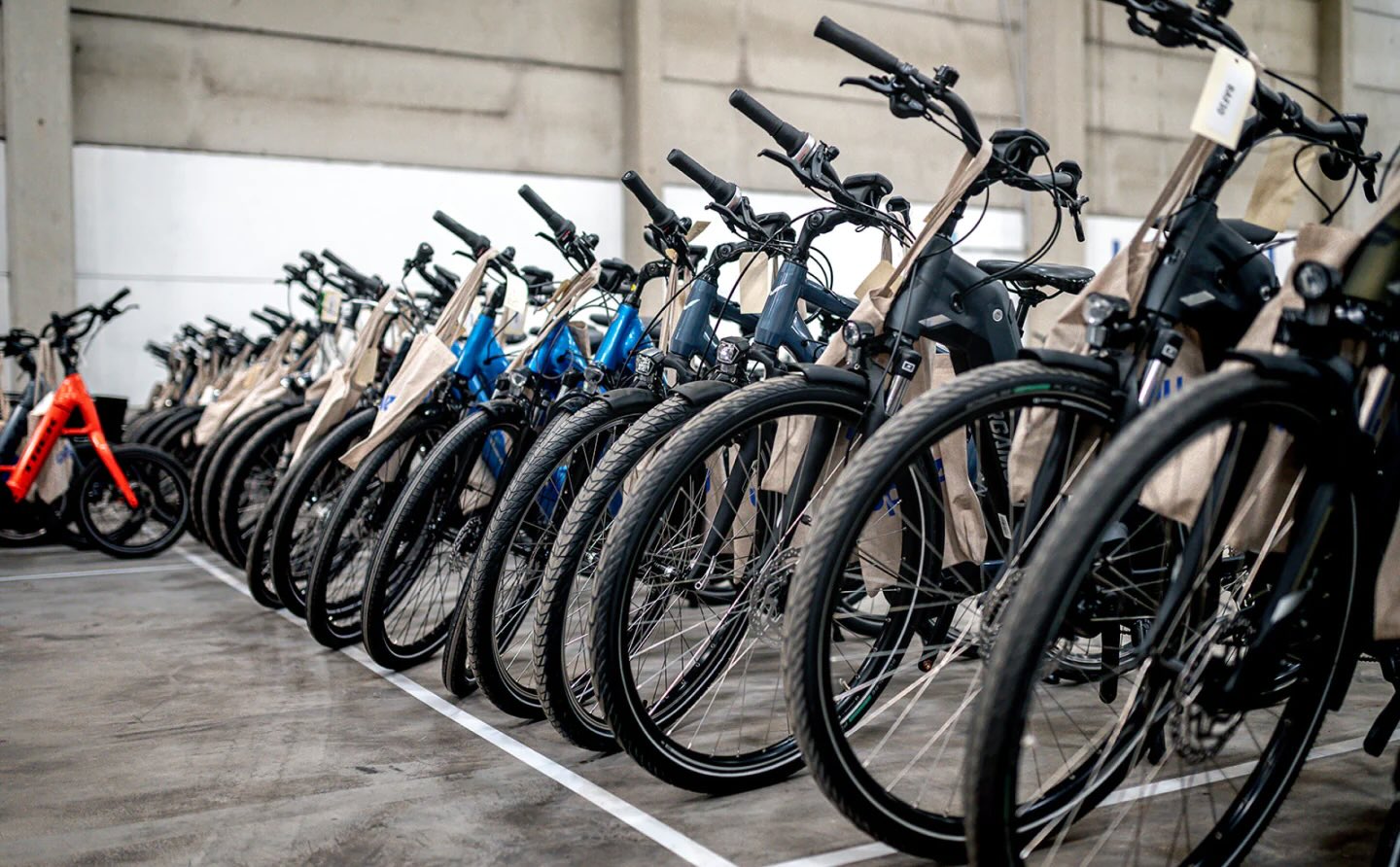
💡Upway makes it easy to find discounts of up to 60% on premium e-bike brands




|
How concerned are you about the plastic waste in our oceans? Click your choice to see results and speak your mind. |
 Extremely 😫
Get TCD's free newsletters for easy tips to save more, waste less, and make smarter choices — and earn up to $5,000 toward clean upgrades in TCD's exclusive Rewards Club.
Cool Picks






