


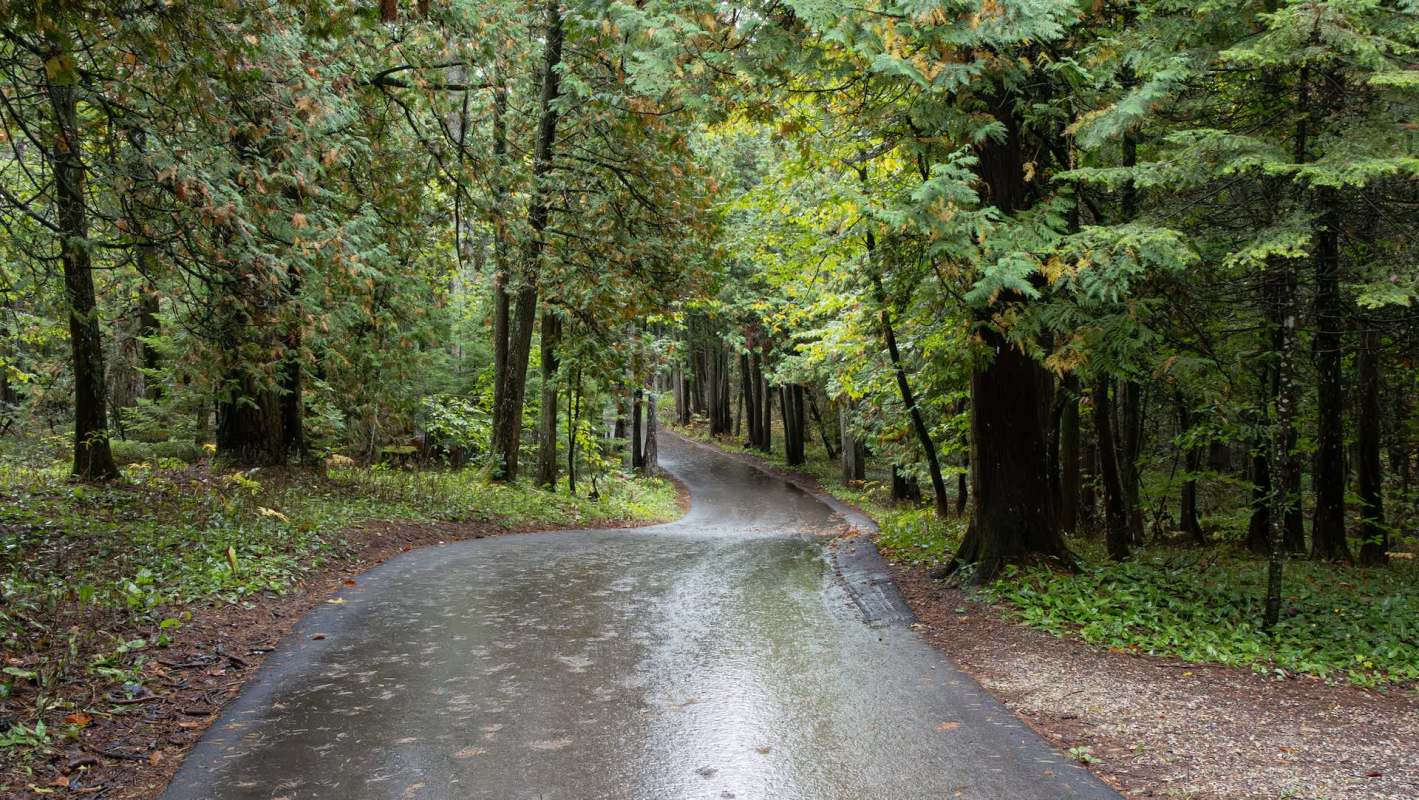
A cougar was struck by a driver amid an uptick in wildcat sightings in Michigan.
According to scientists, human activities may be partially to blame for the unexpected run-ins with wildlife.
What's happening?
Michigan's Department of Natural Resources said a driver struck a cougar in northern Houghton County in November, according to MLive.com.
While conservation officers did not find the cougar, they did find a tuft of hair and part of a claw.
"We do not know if the animal survived the collision since it was able to at least leave the immediate area," Brian Roell, a large carnivore specialist for the Department of Natural Resources, told the publication.
Roell said the biological material was sent to a laboratory in Montana for research purposes.
Per MLive.com, 30 cougars had been spotted in Michigan in 2025 up to mid-December— a record high for cougar sightings. Officials believe young male cougars migrated into the area from the Dakotas.
Why are human-wildlife encounters concerning?
Human activities that produce air pollution have led to warmer temperatures and more intense weather conditions. The shifting climate can lead to habitat destruction and resource shortages, which may increase human-wildlife encounters.
For example, bears have started ending hibernation early due to shorter winters and less snow coverage, according to BBC. However, their prey isn't available when they wake up, so the bears migrate to other areas in search of food.
Human population growth and agricultural expansion are other factors influencing the rise in human-wildlife conflict, per the International Union for the Conservation of Nature. Habitat loss happens as a result, which puts humans and wildlife in closer proximity.
TCD Picks » Quince Spotlight
💡These best-sellers from Quince deliver affordable, sustainable luxury for all




|
What's the most you'd pay per month to put solar panels on your roof if there was no down payment?
Click your choice to see results and speak your mind. |
 $200 or more 💰
 The encounters can be dangerous and even deadly. According to BBC, there were more than 5,000 large carnivore attacks around the world between 1950 and 2019. Humans were killed in roughly one-third of those attacks.
What can be done about human-wildlife encounters?
Researchers are raising awareness about human-wildlife conflict amid more frequent wild animal sightings.
Some practical tips to help prevent wildlife encounters include removing food sources and putting up barriers, per the New York State Department of Environmental Conservation.
Taking steps to reduce air pollution is a great way to mitigate the rising temperatures impacting human-wildlife conflict. Making sustainable changes to your everyday lifestyle can make a difference.
Try changing up your commute by taking public transit or investing in an electric vehicle. EVs not only keep pollution out of the atmosphere, but the planet-friendly upgrades also save you hundreds of dollars on gas and maintenance.

Get TCD's free newsletters for easy tips to save more, waste less, and make smarter choices — and earn up to $5,000 toward clean upgrades in TCD's exclusive Rewards Club.
Cool Picks






