


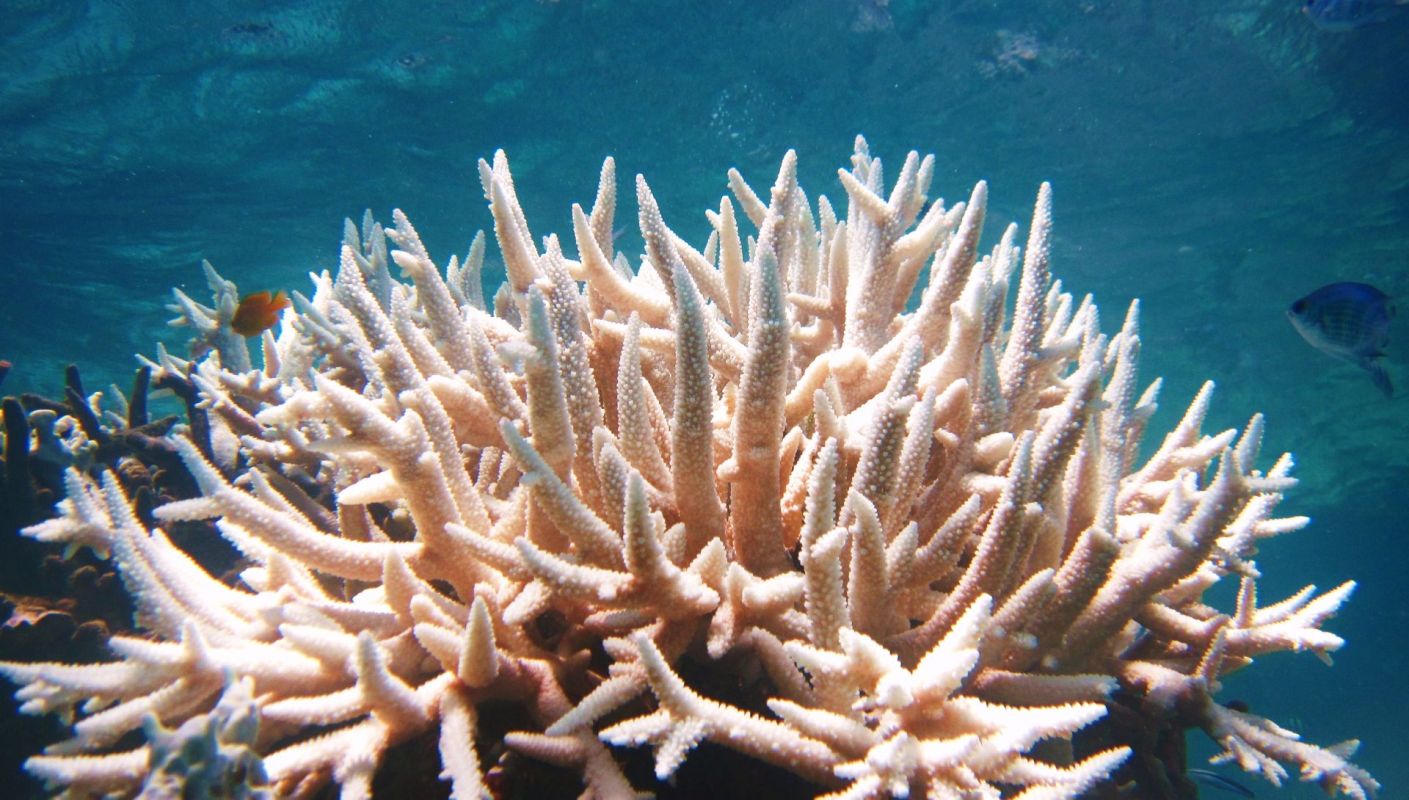
Divers near Malaysia's Pom Pom Island are lowering 60-pound concrete "lotus" blocks into the sea in an effort to help a devastated coral reef come back to life. The project is aimed at turning bomb-scarred rubble into a new foundation for coral growth.
On April 15, divers with the Tropical Research and Conservation Center, or Tracc, put together one of the modular artificial reefs on the seafloor near Pom Pom Island in northeastern Malaysia, The New York Times reported. Built from textured concrete pieces made with 3D-printed molds, the finished structure stood about 3 feet tall and 10 feet wide.
\The site is located in the Coral Triangle, one of the most biodiverse marine regions on Earth. But around Pom Pom Island, decades of illegal blast fishing have left parts of the seafloor badly damaged. Homemade dynamite may make catching fish easier in the short term, but it also obliterates the coral habitat that fish and other marine life depend on.
Over the last two years, Tracc has put more than 60 of these concrete reef structures around the island, the Times reported. Each one weighs roughly half a ton and costs around $5,000. The design includes ridged surfaces that help coral take hold, along with openings that give fish cover from predators.
Fewer than 18 months after the first structure went in, Tracc said 500 young corals had taken hold, while fish numbers and diversity nearby had risen significantly.
Healthy reefs help support fisheries, protect coastlines, and sustain tourism economies. Around Pom Pom Island, tourism is a major industry, so reef recovery could have ripple effects for local jobs and community stability.
TCD Picks » Quince Spotlight
💡These best-sellers from Quince deliver affordable, sustainable luxury for all




According to the Times, Reef Check Malaysia says the country has lost roughly 20% of its coral cover in recent years, mostly because rising ocean temperatures have worsened bleaching. When reefs decline, fish populations can drop too, affecting the people and businesses that rely on them.
At the same time, researchers say artificial reefs are not some magic fix. Some marine species that burrow into natural reef surfaces may not do as well on concrete, and scientists have stressed that restoration projects cannot replace the need to cut planet-heating pollution.
However, in places where reefs have already been shattered by explosives, storms, or severe degradation, rebuilding habitat can help kick-start recovery and buy damaged ecosystems some time.
The Times reported that Tracc plans to add another 100 structures near Pom Pom Island, with half of that work backed by a $100,000 grant from the Coral Research and Development Accelerator Platform, a nonprofit based in Saudi Arabia. The group is also exploring whether the same approach could work off Tioman Island, where reefs have been battered by monsoonal storms.
Researchers are closely monitoring what settles on the new structures, including corals, oysters, and sponges. The tracking helps conservation groups understand whether these artificial reefs can withstand harsher conditions and support marine life.
"The seabed here is like a desert, and this is one structure bringing life back," said Robin Philippo, managing director of the Tropical Research and Conservation Center.

Get TCD's free newsletters for easy tips, smart advice, and a chance to earn $5,000 toward home upgrades. To see more stories like this one, change your Google preferences here.







