


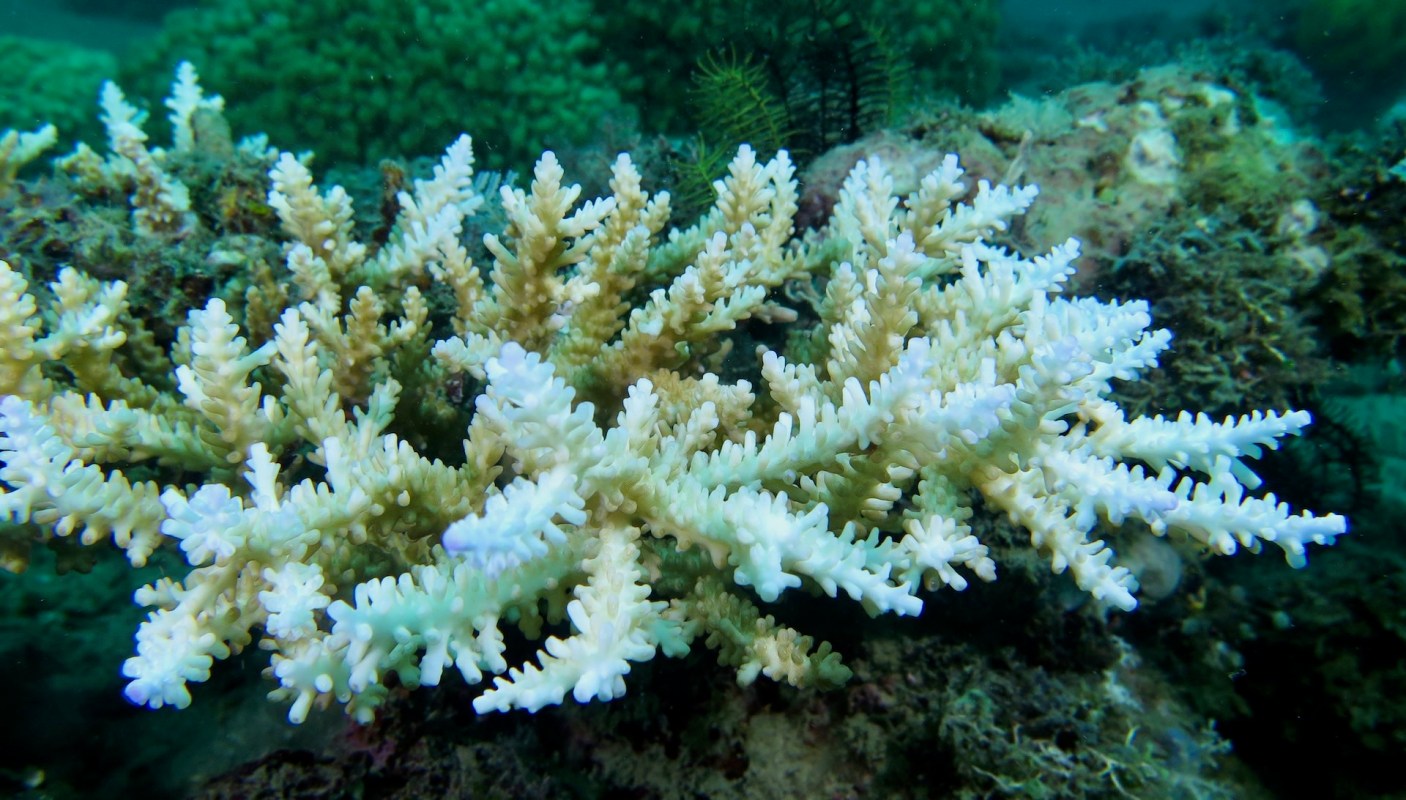
The warming climate is putting all living things under serious stress. Habitats are being lost, and plants and animals are trying to survive under increasingly dire circumstances. And the world's coral is flashing warning signs that action needs to be taken sooner rather than later.
What's happening?
The Guardian reported that the Australian Institute of Marine Science released a report that said the Great Barrier Reef suffered its biggest annual loss in two out of three monitored areas since 1986 because of bleaching, which is caused by warming ocean temperatures.
Why is coral reef loss important?
The Great Barrier Reef on the Northeast coast of Australia is home to a tremendous amount of coral, fish, and other marine species. It is a vital piece of the oceans' ecosystem, and its conservation is essential to keeping our waters healthy and thriving.
"This volatility is very likely a sign of an unstable system. That's our real concern," warned Dr. Mike Emslie, the leader of the long-term reef monitoring program at the Australian Institute of Marine Science, per the Guardian.
"We will ultimately get to a tipping point where coral cover can't bounce back because disturbances come so quickly that there's no time left for recovery. We have to mitigate the root causes of the problem and reduce emissions and stabilize temperatures."
Unfortunately, the warnings about the health of the Great Barrier Reef are not isolated. Another report listed groundwater contamination as another significant threat to the coral. A report from the U.S. National Oceanic and Atmospheric Administration stated that 60.5% of the world's coral reefs have been experiencing dangerous heat stress.
What's being done to protect coral reefs?
Fighting warming temperatures and preserving the health of our ocean's ecosystems starts with education. Being able to talk openly and honestly about the issues facing our climate with friends and family is imperative. Taking local action in our own communities and supporting candidates for elected office who realize the significance of the threat is also essential.
However, first and foremost, we need to continue transitioning away from dirty fuels such as coal, oil, and gas. The burning of those fuels releases harmful pollution into the air that is driving increased temperatures. Clean energy sources such as wind, solar, and even geothermal continue to be developed, offering us potential solutions.
|
Do you worry about the longevity of EV batteries? Click your choice to see results and speak your mind. |
 For sure 💯
Join our free newsletter for good news and useful tips, and don't miss this cool list of easy ways to help yourself while helping the planet.
Cool Picks






