


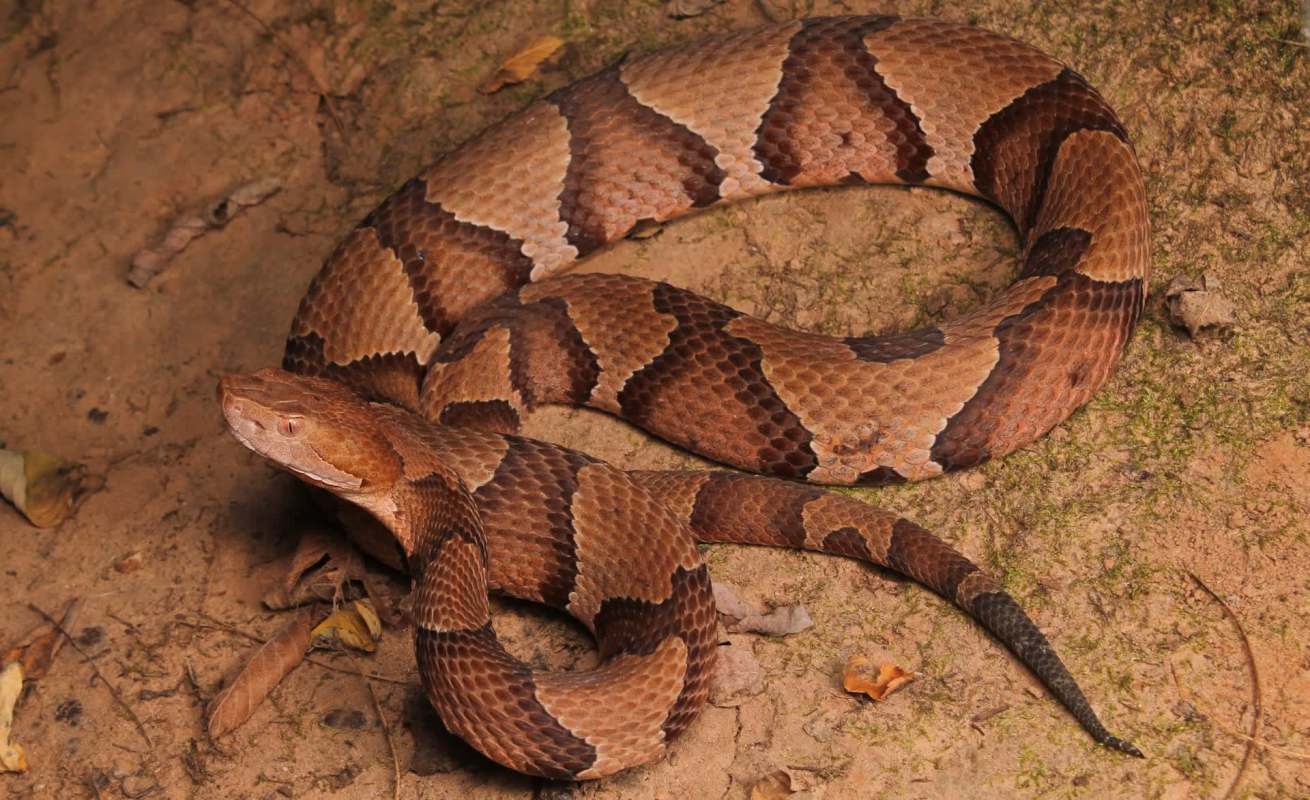
A North Carolina homeowner got an unsettling reminder that snake season has arrived after spotting a venomous copperhead tucked beneath a pressure washer in his yard — a sight that would make just about anyone freeze.
As spring temperatures rise, experts say more people spending time outside, combined with more activity around trails, gardens, and suburban yards, can lead to more close encounters like this one.
Christopher Lare told WRAL that he "froze" after finding the copperhead in his yard. The snake had been hiding under the pressure washer and, thankfully, moved away on its own.
Lare said he had seen snakes while hiking before, but never this close to home. According to WRAL, Scott Gibbs also shared an image of a copperhead he noticed during a dog walk on the Higgins Greenway the following morning.
Snake wrangler, Milton Morgan, told WRAL that this is the time of year when sightings start ramping up, adding that he expects to keep seeing snakes "from now through the end of October." Wildlife extension biologist Falyn Owens had previously told WRAL News that once temperatures stay above 60 degrees for several days, snakes become active.
Copperheads are the most common venomous snake in North Carolina, which makes sightings like these especially notable as more residents head outside to enjoy warmer weather.
TCD Picks » Quince Spotlight
💡These best-sellers from Quince deliver affordable, sustainable luxury for all




It's a reminder that warmer weather changes more than just weekend plans. It also increases overlap between people and wildlife, especially in neighborhoods where yards, tools, wood piles, brush, and leaf litter create easy hiding spots.
In many cases, these encounters are not really about snakes "invading" human spaces so much as people and wildlife increasingly sharing the same areas. More development, more yard work, and more recreation on trails can all raise the odds of a surprise run-in.
That matters for both safety and conservation. A startled homeowner or dog walker could be at risk of a bite, while snakes are often killed out of fear, even when they are simply passing through.
Experts say most snake-related problems begin when people get too close or try to handle them. Snakes will rarely attack humans unless they are defending themselves. Understanding that coexistence is part of the equation can help people stay calm and reduce harm to both themselves and local wildlife.
Morgan said the best first step is prevention — keep your yard tidy and get rid of obvious hiding places. That means clearing debris, leaves, and firewood piles, mowing grass, and cutting back tall vegetation and brush.
If you do see a snake, experts recommend leaving it alone. In many cases, it will move on without incident. If you want to encourage it to leave, a light spray with a hose from a safe distance can help without hurting the animal.
If a snake stays put, Morgan said residents can call a snake relocator. Still, wildlife experts noted that snakes do not always do well after relocation, so habitat management is often the better long-term strategy.
One thing experts say not to do is waste money on chemical snake repellents or mothballs. Those products can be toxic to wildlife and are generally less effective than simply making your yard less inviting as a hiding place.
"Seeing one that close personally, it was like, OK, it's that time," Lare said. Morgan offered a simple reminder for nervous homeowners: "They're just moving through. They're trying to coexist with everyone else."

Get TCD's free newsletters for easy tips, smart advice, and a chance to earn $5,000 toward home upgrades. To see more stories like this one, change your Google preferences here.







