


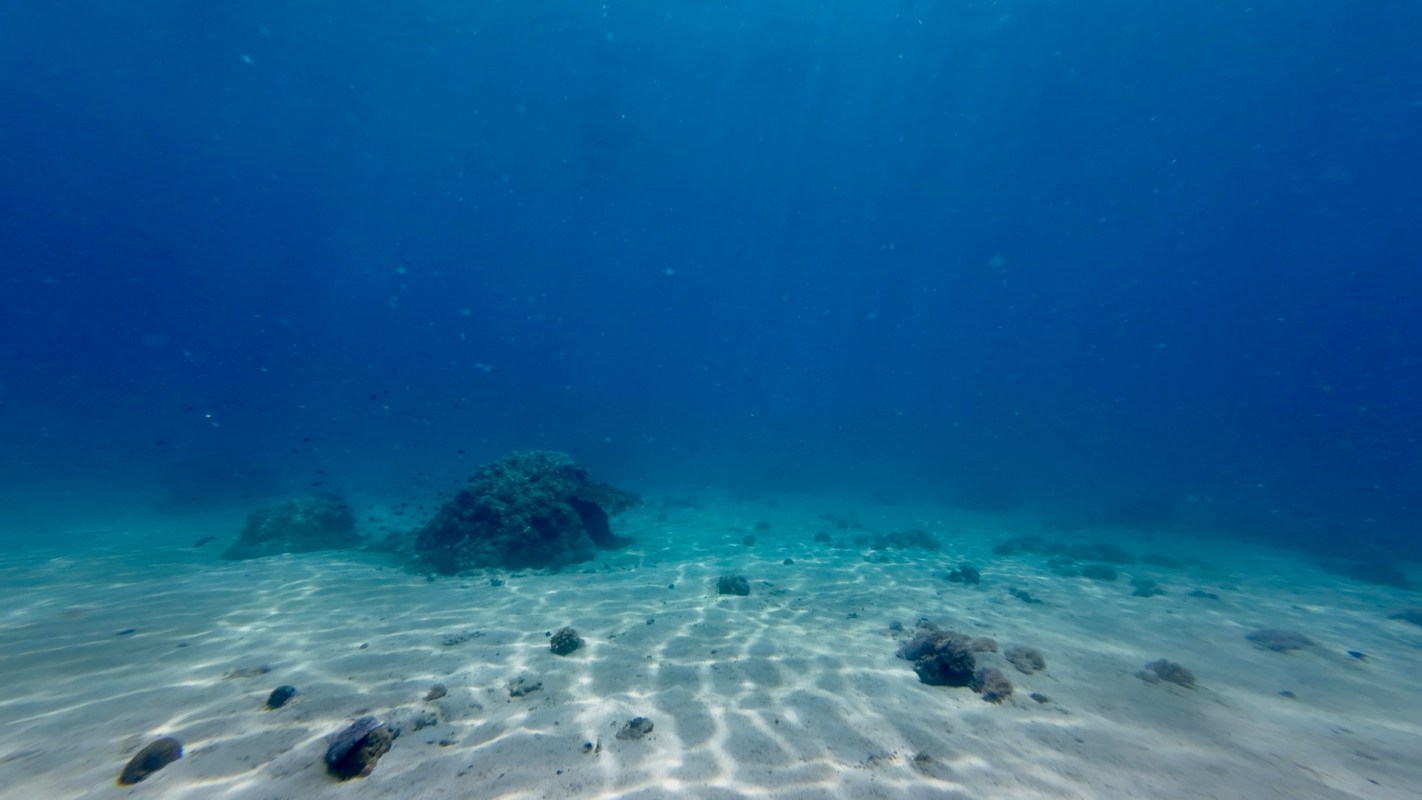
Tiny ocean animals like zooplankton and copepods are moving microplastics deep into the ocean.
A study exploring this was published in the Journal of Hazardous Materials and reported in ScienceDirect. Researchers used real-time imaging to track how microplastics move through the gut of North Atlantic copepods called Calanus helgolandicus. Copepods are a kind of small crustacean.
What's happening?
The scientists observed that microplastics passed through the animals' digestive systems in an average time of 40 minutes, regardless of whether they were beads, fragments, or fibers.
According to the research, whether food was available to the copepods didn't significantly change how quickly or slowly the plastics were processed. The authors of the study estimated that copepods could move roughly 271 microplastics per cubic meter per day through the water column.
Coverage on the study by Plymouth Marine Laboratory emphasized that microplastics are a problem for the ocean's surface and floor.
"I would liken this process to both a microplastic plumbing system, and a microplastic food delivery service. Zooplankton are both sinking microplastics down the water column, and passing them higher up in the marine food chain," said Professor Penelope Lindeque, one of the lead authors of the study.
Why are microplastics in food webs concerning?
According to the research, copepods are a foundation of marine food webs. Their health is integral to coastal communities and fisheries, too.
Previous research has already found that deep-sea animals that live far below the sunlight have even ingested microplastics. The rapid movements of microplastics mean they can spread vertically faster than scientists can measure them at the surface.
One of the biggest concerns is bioaccumulation, or the build-up of these toxins. Bioaccumulation negatively affects ocean animals as well as human health.
Besides the potential that microplastics are changing the color of the ocean over time, they also accumulate inside our bodies. This happens when we consume seafood, sea salt, and even some bottled water.
TCD Picks » Quince Spotlight
💡These best-sellers from Quince deliver affordable, sustainable luxury for all




|
How concerned are you about microplastics in your body? Click your choice to see results and speak your mind. |
 Orlando Bloom level 😥
 And that's on top of other microplastic channels we are exposed to that can lead to health complications. According to Biology Insights, it's estimated that humans consume tens of thousands of particles annually just through food and water.
What's being done about microplastics?
Large-scale computer models are being used to track and measure microplastics' spread by marine species and zooplankton. The models help researchers identify which species are spreading them, where they are accumulating, and track the damage in ecologically or financially important areas.
It's important that healthy human habits start to override the negative impact of excess plastic production. Reducing reliance on plastic can directly cut down on the amount of plastic that ends up in our waterways and food chains. Advocating for companies to reduce their plastic use can multiply individual impact.

Get TCD's free newsletters for easy tips to save more, waste less, and make smarter choices — and earn up to $5,000 toward clean upgrades in TCD's exclusive Rewards Club.
Cool Picks






