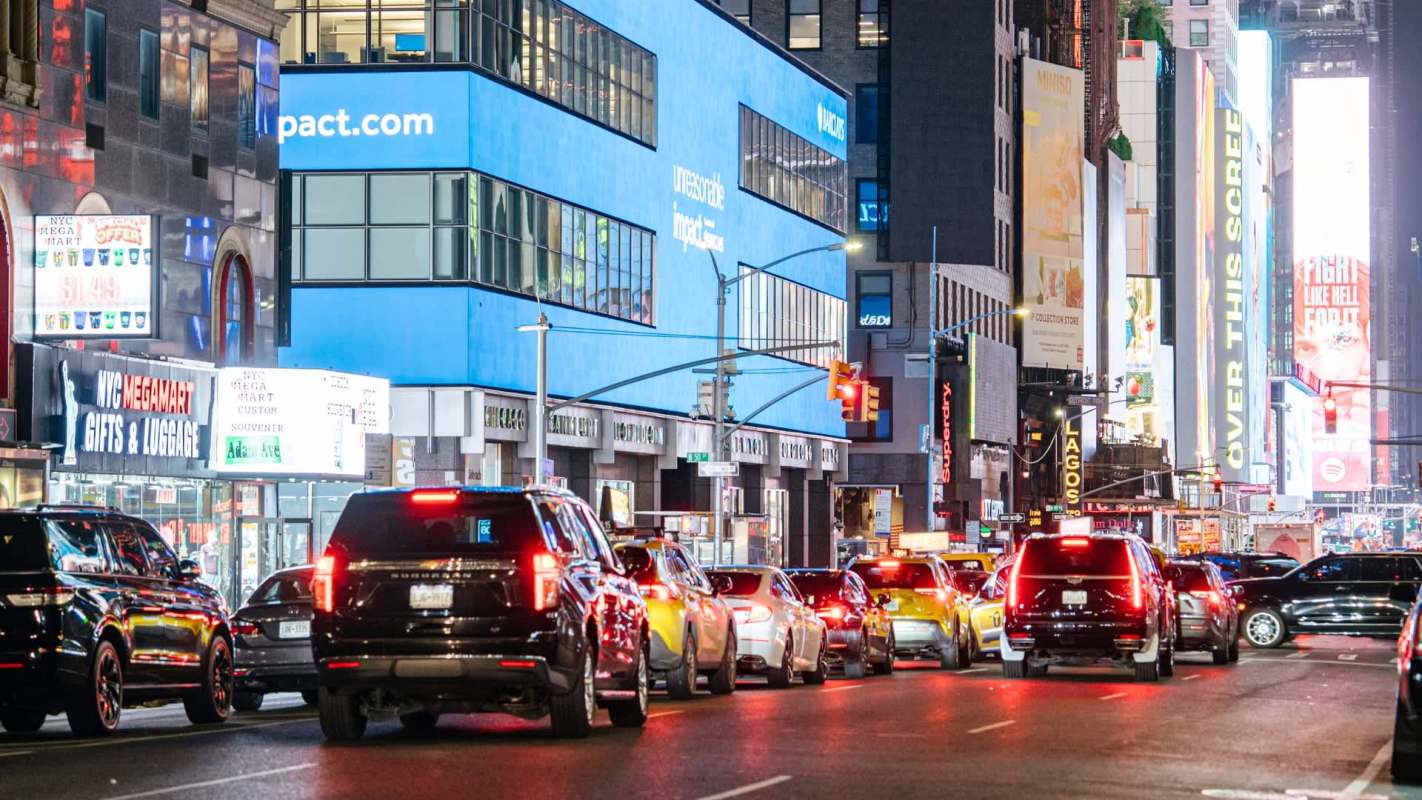
Limiting traffic in New York City's downtown area cut air pollution by 22% in the program's first six months.
A study published in the journal npj Clean Air looked at the air quality impacts — in this case, particulate matter measuring 2.5 micrometers and smaller — of the Congestion Relief Zone.
The policy requires drivers to pay a toll to access local streets and avenues at or below 60th Street in Manhattan during peak hours.
The benefits also seemed to stretch to other boroughs, according to a summary of the research in the Cornell Chronicle.
"It's really exciting to me that air quality improved throughout the entire metro area," Timothy Fraser, the study's co-lead, told the publication.
"This tells us that congestion pricing didn't simply relocate air pollution to the suburbs by rerouting traffic. Instead, folks are likely choosing cleaner transportation options altogether, like riding public transportation or scheduling deliveries at night. This thins traffic and limits how smog compounds when many cars are on the road."
TCD Picks » Upway Spotlight
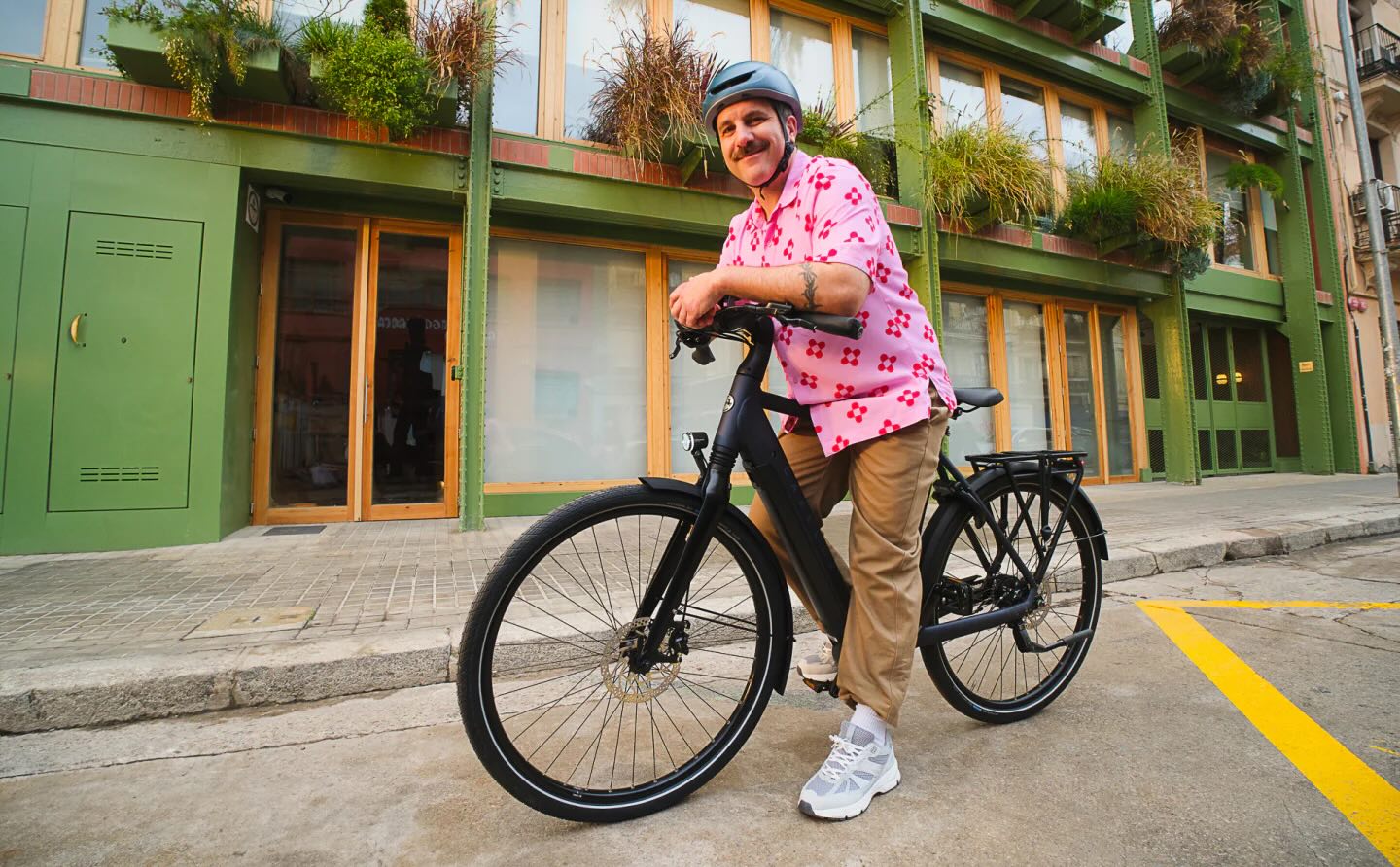
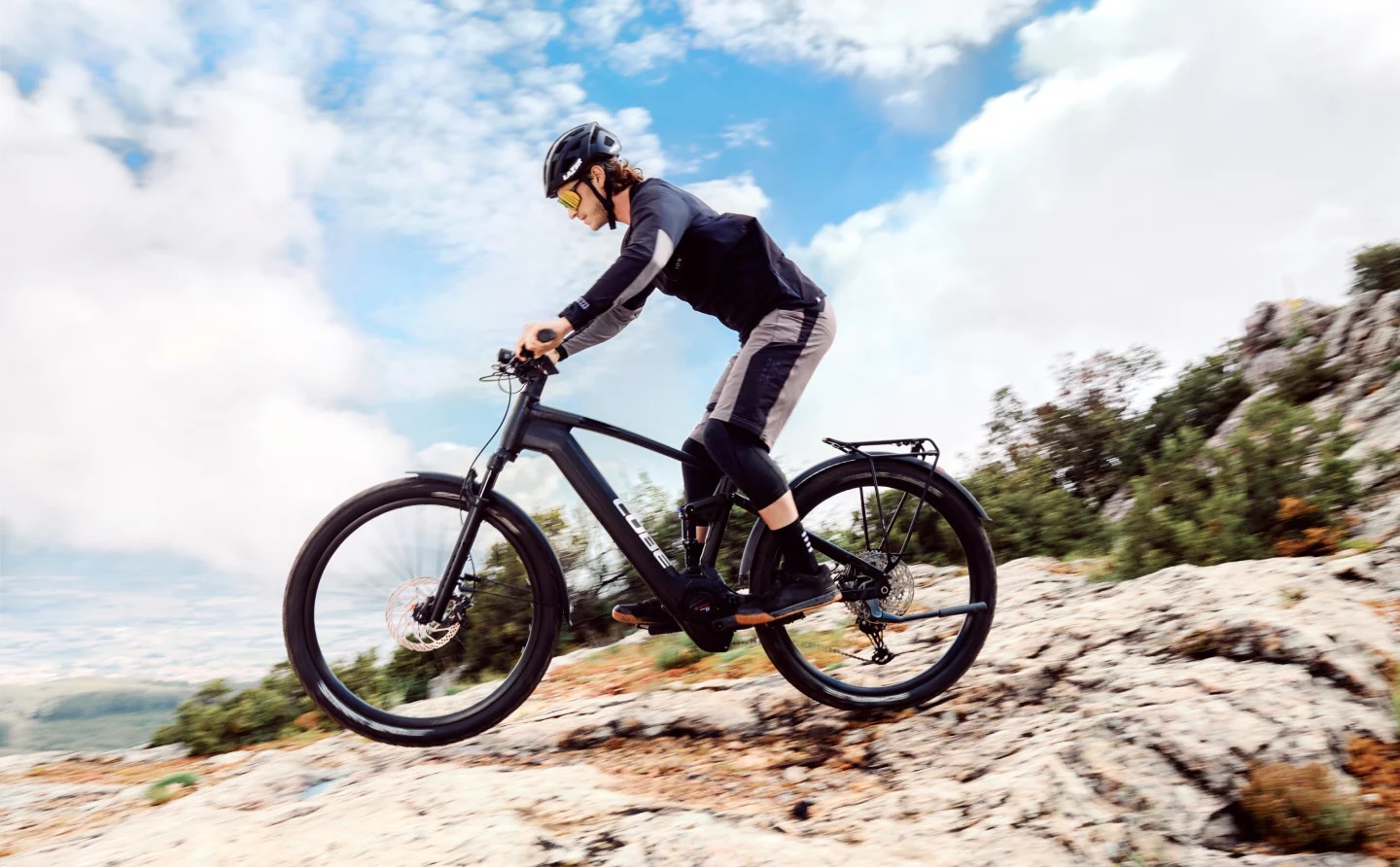
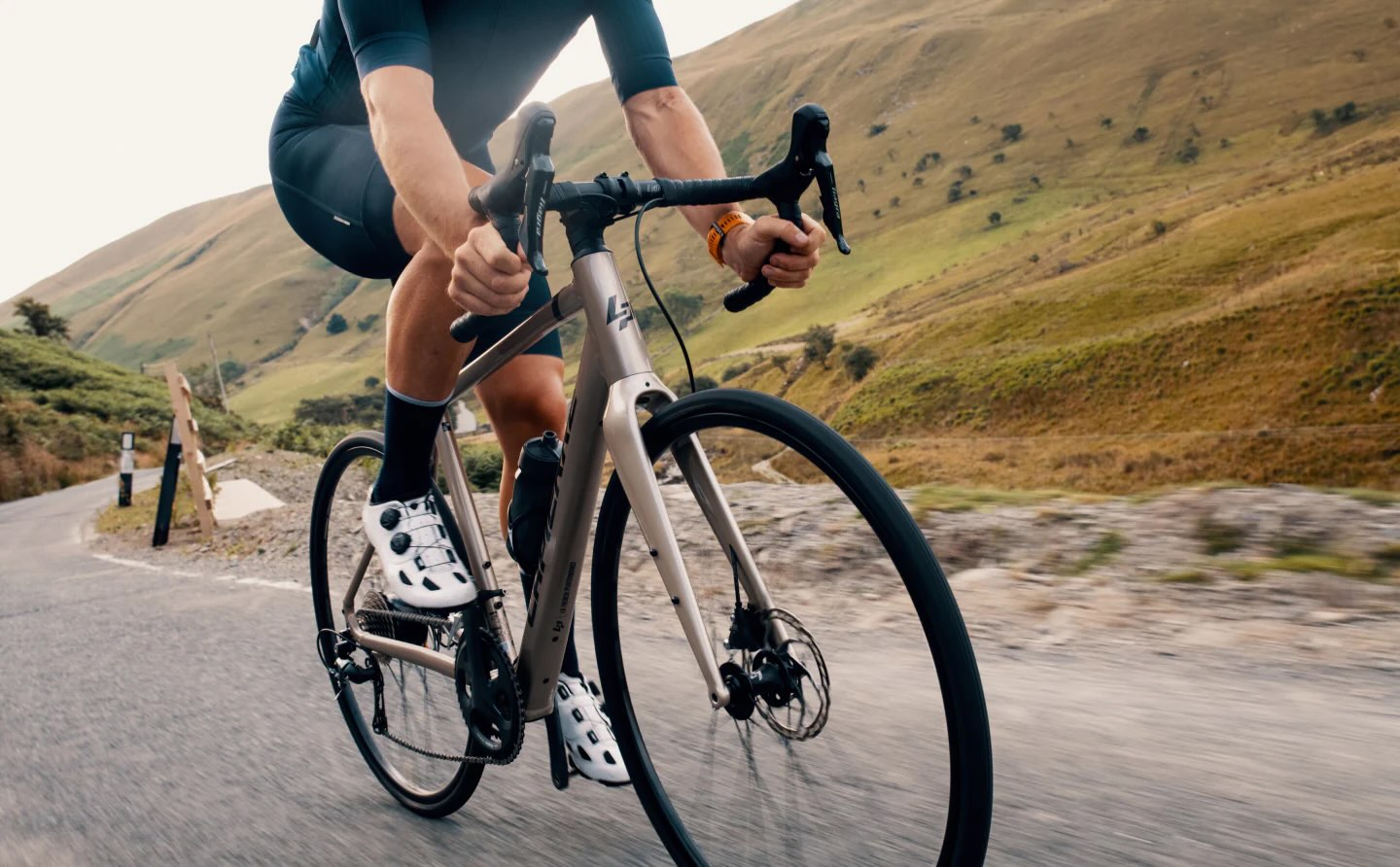
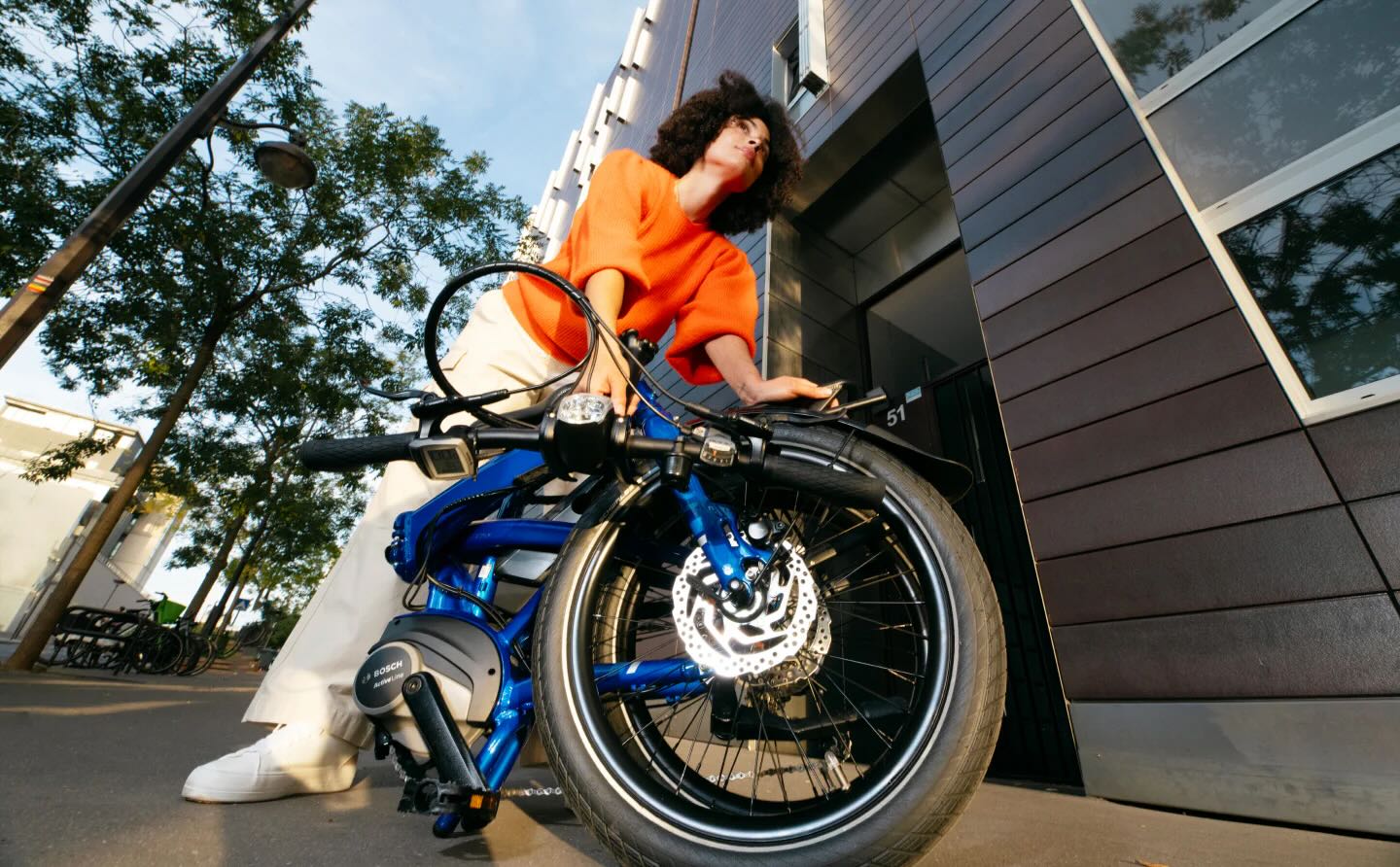
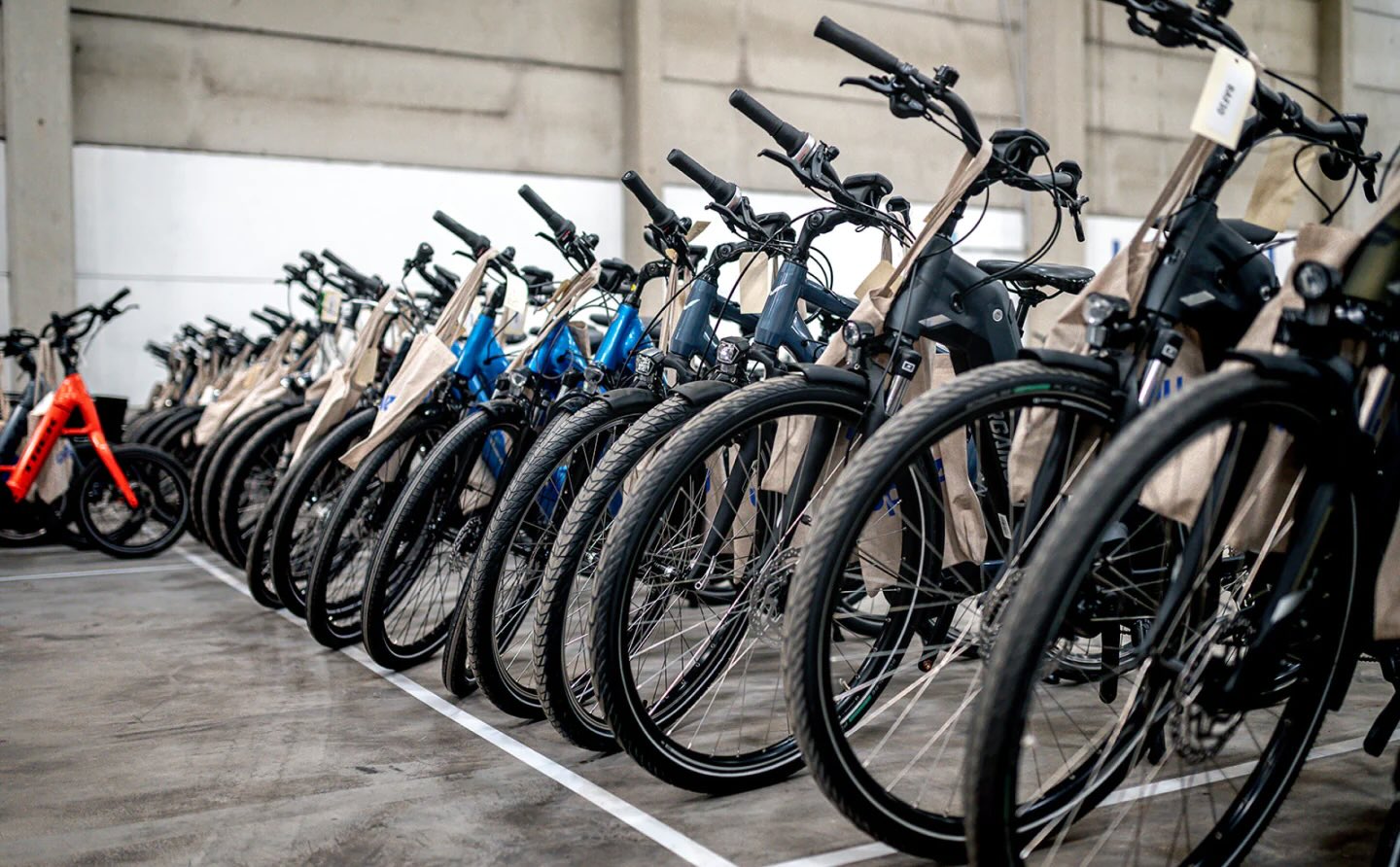
💡Upway makes it easy to find discounts of up to 60% on premium e-bike brands
Other data has revealed that New York's congestion pricing scheme has helped reduce noise complaints and slash carbon pollution — a major contributor to the overheating of our planet — by 2.5%.
Gas-guzzling vehicles are one of the major contributors to planet-warming pollution, and the transportation sector in the U.S. accounts for 28% of the country's heat-trapping gas emissions, according to data from the Environmental Protection Agency.
New York City is not the only metropolitan area to implement such policies that limit traffic in certain areas. For example, Stockholm, Sweden, banned diesel and petrol cars from entering its city center.
And in Bogotá, Colombia, cars are kicked off the streets from 7 a.m. to 2 p.m. every Sunday and public holidays to let cyclists, skaters, and pedestrians move around safely.
TCD Picks » Quince Spotlight
💡These best-sellers from Quince deliver affordable, sustainable luxury for all




|
Do you feel like the air quality is safe where you live? Click your choice to see results and speak your mind. |
 Always 💯
 This initiative, part of the global Ciclovía movement, has helped reduce the "hostility" surrounding car traffic. Plus, the additional exercise benefits the mind and body, according to one participant.
With or without official policies like those in New York City, Stockholm, and Bogotá, anyone can help make an impact on traffic pollution.
If you live in a city with public transportation, that is a great place to start. Walking and cycling are also great options.
You can also make your next vehicle electric — EVs have a much lower carbon footprint throughout their life cycle and do not release health-harming, planet-heating pollution when out on the road.

Get TCD's free newsletters for easy tips to save more, waste less, and make smarter choices — and earn up to $5,000 toward clean upgrades in TCD's exclusive Rewards Club.
Cool Picks