


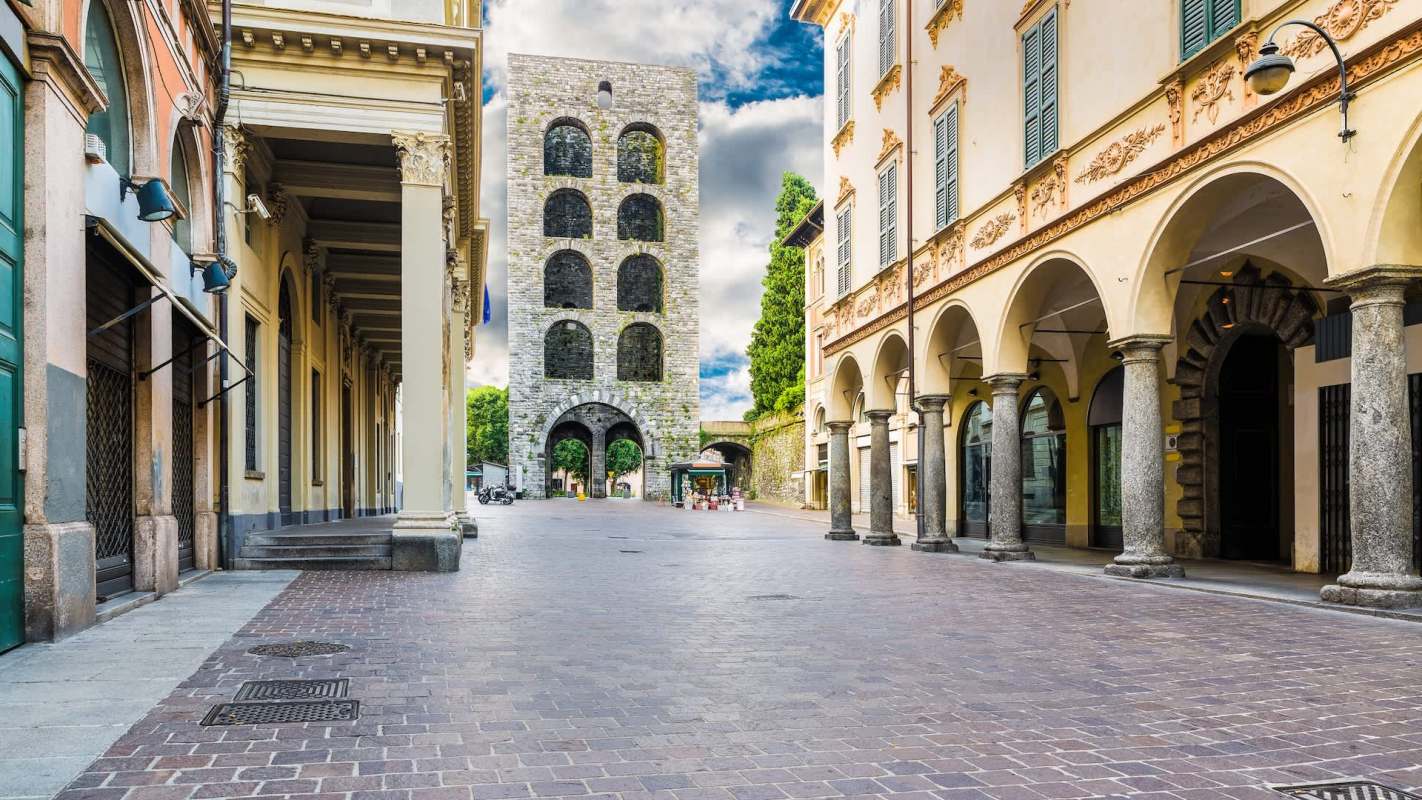
In Como, Italy, Mayor Alessandro Rapinese's administration wants cyclists off 30 streets in the city's historic center, and residents are not happy.
Here's what to know
After Rapinese was struck by an e-bike on July 18 while leaving city hall, bicycles have been banned in the city center. The new order has put the city at odds, as the affected area is where cyclists commonly frequent as a practical, low-cost way to get around, according to Il Post.
The plan won't take effect until local police issue a separate order. Once that happens, cyclists would be required to walk their bikes on 30 streets linking the entrance to the walled city with Piazza San Fedele, the Duomo, and the lake-facing side of the historic center.
Those streets are among the widest in the old town, which helps explain why cyclists and delivery riders use them so often. City officials say the restriction is meant to protect pedestrians and cut down on collisions in a section of Como that is often packed with tourists and foot traffic.
Opposing politicians and other critics have argued that the proposal looks to be more of a knee-jerk response to the mayor's one-time incident rather than a public-safety measure.
While defending the decision, Rapinese said, "In other cities, the child ends up in the hospital first, then the politicians take action. In this case, I didn't even end up in the hospital. I was hit by a bike. I gathered information, and that's where the measure came from."
TCD Picks » Quince Spotlight
💡These best-sellers from Quince deliver affordable, sustainable luxury for all




Rapinese has even pushed back on suggestions to limit only e-bikes, saying Italy's Highway Code does not separate them from ordinary bicycles and that the council believes a narrower rule could be overturned by the Regional Administrative Court (TAR).
Why does this matter?
The measure would apply in Como's Roman-era walled center — an area of narrow streets that is already covered by a limited-traffic zone. With car access already restricted there, bicycles have become a common way for local residents to move through the neighborhood.
Biking and e-biking come with health benefits, monetary savings, and environmental gains. It's an excellent mode of transportation that doesn't involve gas or its spiked prices. Cutting off access to a heavily cycled area leaves riders without a lot of options.
What's being done?
Opposition to the measure is already being organized. The Nova Como association has planned a protest bike ride for Sept. 12, and activists have also started an online petition seeking to stop the resolution. A former councilor has separately said she plans to challenge the measure before TAR.
This is not the only Italian city to place limits on cycling in heavily trafficked central areas. Palermo, for instance, has had bans or restrictions on parts of its main streets since 2023. Como's case, however, has attracted particular attention because the affected roads are important routes through the historic center and because the ban came after the mayor's own collision.

Get TCD's free newsletters for easy tips, smart advice, and a chance to earn $5,000 toward home upgrades. To see more stories like this one, change your Google preferences here.







