


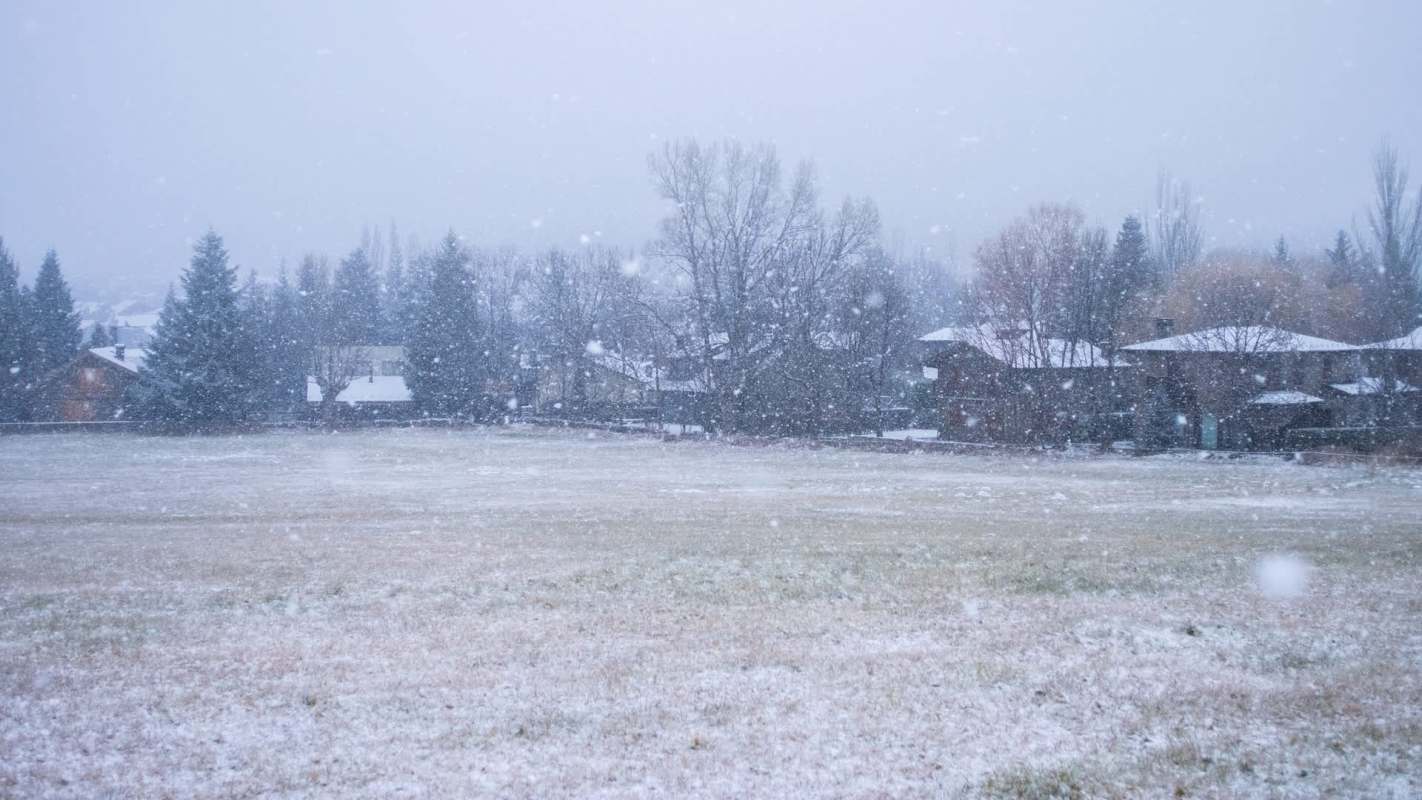
Winter storms in Colorado and across the Mountain West are not enough to reverse what experts are calling one of the worst snow droughts in decades, as reported by CPR.
What's happening?
According to a briefing organized by the National Oceanic and Atmospheric Administration on Thursday, even as ski areas report fresh powder, the Regional Climate Center says the region is still far behind normal snowpack levels.
This determination comes after a series of snowstorms bringing seven inches to a foot of snow to Colorado's central mountains, over two feet to the San Juans, up to a foot at Independence Pass, and another 6 to 12 inches is still expected, yet the snowpack will still not be at 100%.
Dan McEvoy, a researcher with NOAA's Western Regional Climate Center, said during the NOAA briefing that the lack of snowpack isn't just out of nowhere, according to CPR. McEvoy also said this is one of the worst snow droughts in the past 40 years for the region.
"These recent storms have helped, but they have not been enough by any means to recover from this snow drought due to the deficits that have accumulated since the beginning of the snow season," said Dan McEvoy to CPR.
Paul Miller, a hydrologist at the Colorado Basin River Forecast Center, added that there is a low chance conditions will even get close to average as Lake Powell is expected to be at only 38% of the 30-year average this spring, as per Miller's forecast cited by CPR.
Why are snow droughts concerning?
The lack of snowpack is concerning because millions of people in Nevada, California, and other Lower Basin states rely on snowmelt from the Upper Colorado River Basin, according to CPR. The most utilized reservoirs in the Lower Basin are forecast to be at half or less of their normal capacity, and when snowpack remains low, spring runoff declines, leading to a lower water supply.
Snow drought conditions are also affecting ski seasons across the western U.S., and scientists say that shifting storm tracks in the Pacific might become even more "dramatic" than previously expected.
To add, worsening extreme weather events directly threaten public health, community safety, and economic stability. Research shows that changes in climate, especially due to human-caused pollution, lead to more frequent extreme heat events, which affect how snow accumulates and melts.
What's being done about the snowpack?
Experts say understanding extreme weather patterns is key to preparing communities for future risks and building resilience. Readers who want to learn more about how changing weather trends affect water supplies can explore critical climate issues.
TCD Picks » Upway Spotlight
💡Upway makes it easy to find discounts of up to 60% on premium e-bike brands



"It's definitely the biggest amount of snow we've seen so far this winter. And unfortunately winter's almost over," National Weather Service meteorologist Tom Renwick said to CPR in response to the snowfall.
|
Which of these savings plans for rooftop solar panels would be most appealing for you?
Click your choice to see results and speak your mind. |
 Save $1,000 this year 💸
Get TCD's free newsletters for easy tips to save more, waste less, and make smarter choices — and earn up to $5,000 toward clean upgrades in TCD's exclusive Rewards Club.
Cool Picks






