


Beaches around the world are facing a "coastal squeeze" that threatens to eliminate nearly half the planet's sandy coastlines by 2100, says marine scientist Omar Defeo, according to Agência FAPESP.
The phenomenon is the result of rising seas, which are driven by heat-trapping pollution combined with coastal development, and it's putting communities at severe risk while also devastating ecosystems.
What's happening?
Defeo, a professor at Uruguay's University of the Republic, delivered his warning during the FAPESP Day Uruguay symposium in November.
According to Defeo, coastal ecosystems consist of three zones: dune, beach, and submerged foreshore.
"These zones form an interconnected coastal ecosystem that's essential for environmental balance … The wind carries sand from the dry area to the surf zone. And when the waves advance, they bring the sediment back to the beach … When a storm comes, the dune acts as a buffer. So when urbanization eliminates the dune, the result can be the destruction of seaside homes," he noted in a presentation at the convening.
Research conducted by Defeo and his team analyzed 315 beaches globally, finding that 20% already experience intense, extreme, or severe erosion rates.
Perk up the winter blues with natural, hemp-derived gummies Camino's hemp-derived gummies naturally support balance and recovery without disrupting your routine, so you can enjoy reliable, consistent dosing without guesswork or habit-forming ingredients. Flavors like sparkling pear for social events and tropical-burst for recovery deliver a sophisticated, elevated taste experience — and orchard peach for balance offers everyday support for managing stress while staying clear-headed and elevated.
Learn more → |

A separate study examining 90 locations along 30 beaches on Brazil's northern São Paulo coast revealed that urbanization drives escalating damage across entire coastal ecosystems. The number of beachgoers was the most impactful urbanization variable, correlating negatively with species richness and biomass.
Why is extreme coastal erosion concerning?
Defeo and his team showed that the impacts of erosion are reaching far beyond their points of origin. Beach degradation threatens everything from fishing industries to local tourism, depriving coastal communities of the food and income they depend on.
What's being done about "coastal squeeze"?
Scientists are developing coastal management strategies that balance development with ecosystem protection. Some of these include dune restoration, "living" shorelines, and limitations on construction in vulnerable coastal zones.
Individual and community-level action can help sustain such measures.
TCD Picks » Upway Spotlight
💡Upway makes it easy to find discounts of up to 60% on premium e-bike brands
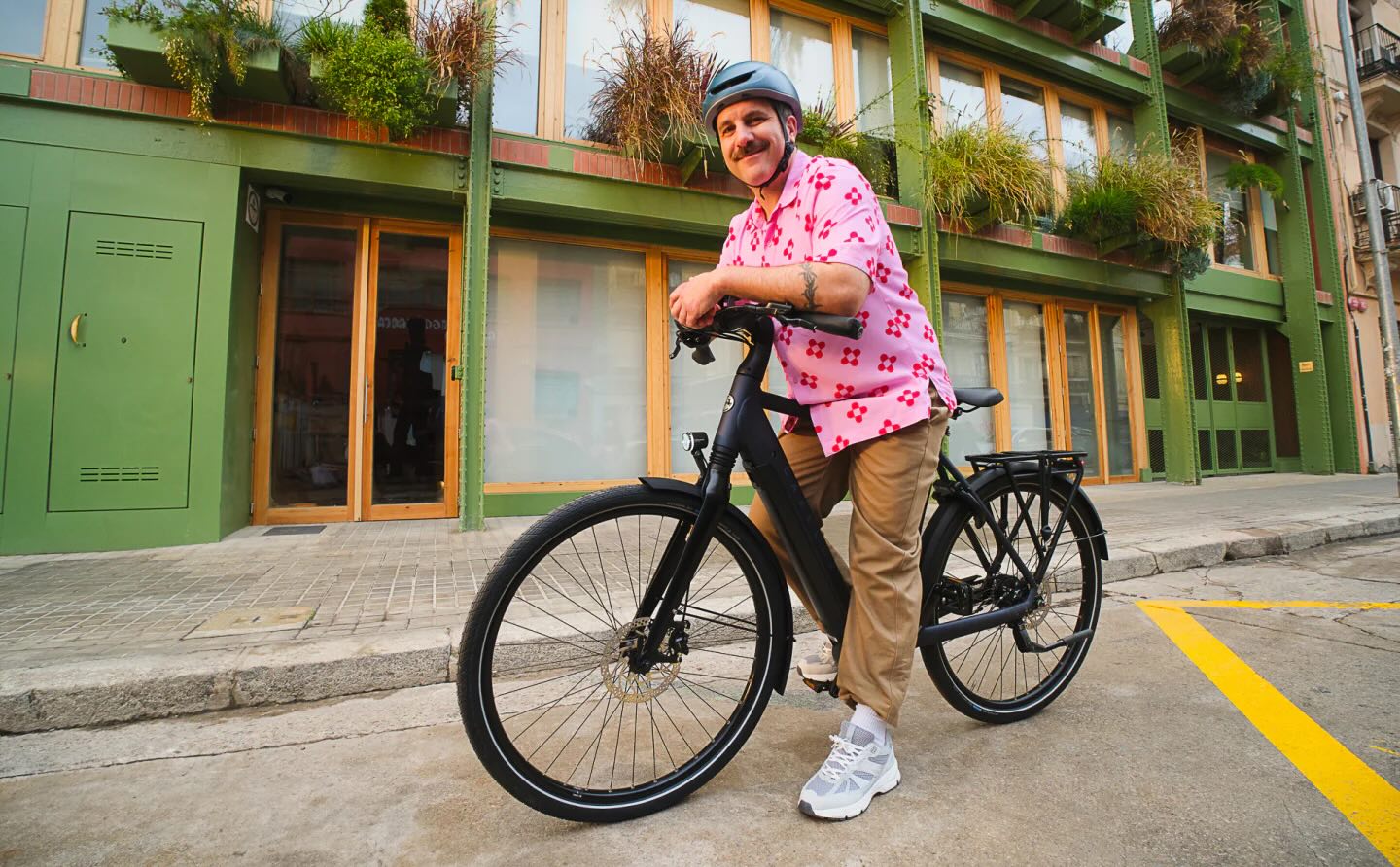



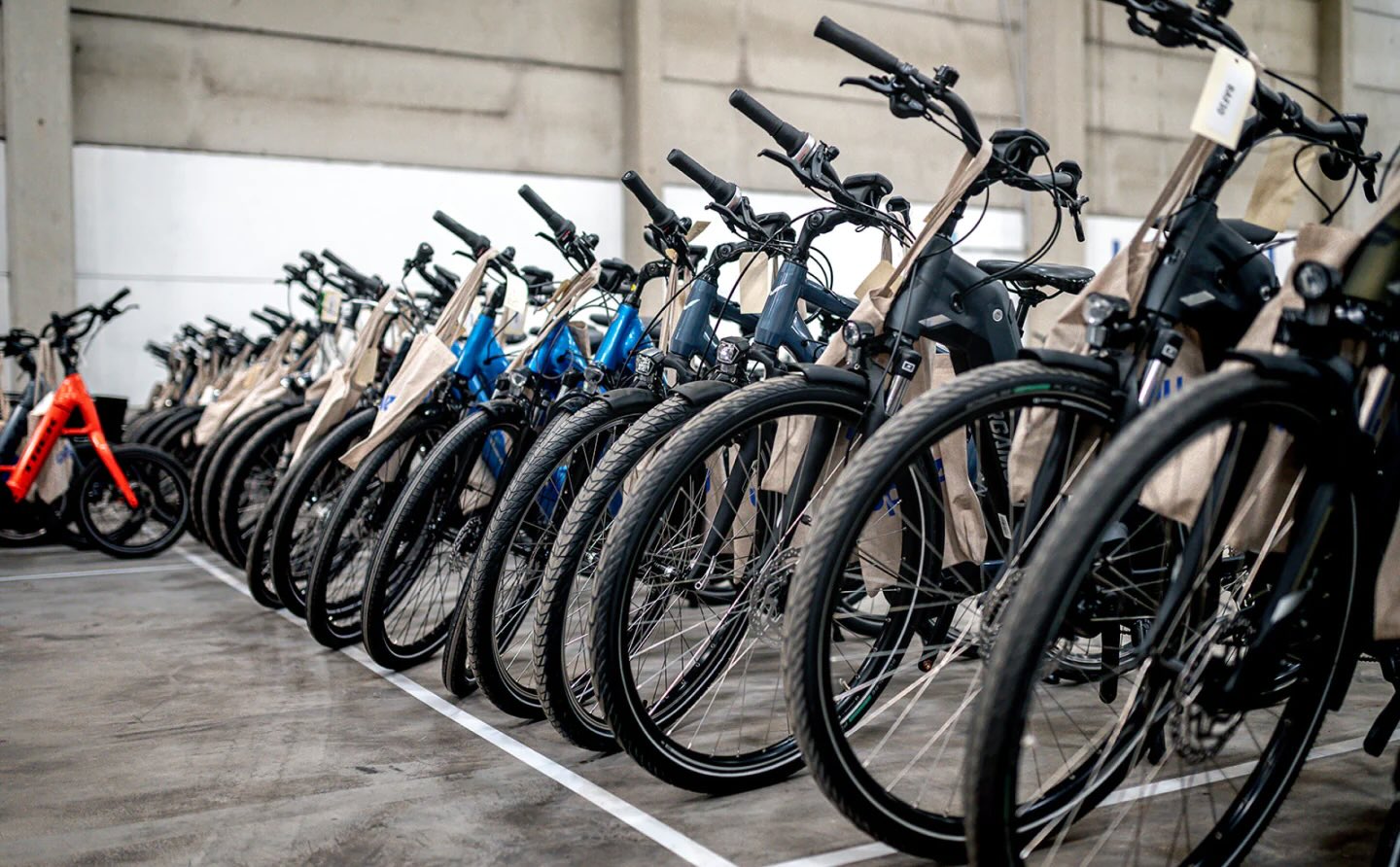
Cutting down on the burning of dirty fossil fuels reduces the pollution that's overheating the planet and melting glaciers. Reducing home energy consumption and choosing more efficient transportation options can help to address the root causes of sea level rise and protect the shorelines that millions of people call home.
|
Should the government offer tax incentives for energy-saving home upgrades? Click your choice to see results and speak your mind. |
 Absolutely 👍
Get TCD's free newsletters for easy tips to save more, waste less, and make smarter choices — and earn up to $5,000 toward clean upgrades in TCD's exclusive Rewards Club.
Cool Picks






