


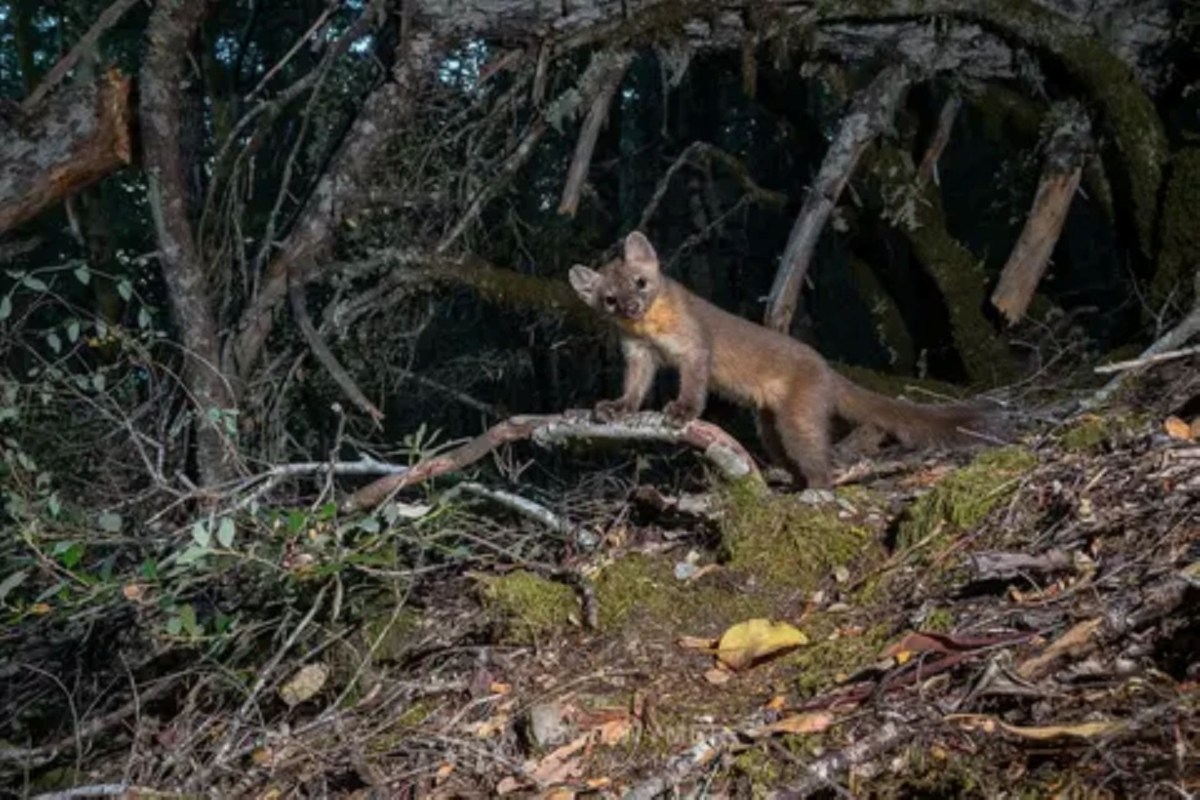
A hopeful wildlife comeback is unfolding in Northern California.
Thanks to a network of 135 remote cameras, researchers at the University of Oregon documented 46 coastal martens.
The discovery came after researchers surveyed about 150 square miles for three months using hair snares and trail cameras. In total, they identified 28 male martens and 18 females, an encouraging sign for a species that was once thought to be extinct.
Coastal martens are elusive forest carnivores about the size of a ferret, and they are renowned for their cuteness.
Fur trapping and extensive logging during the 20th century brought the species close to extinction. Only around 500 are believed to remain today, according to the Oregon Wildlife Foundation.
The organization noted the animals now persist in only about 5% of their historic range, while the U.S. Fish & Wildlife Service said they are split among four isolated populations in California and Oregon.
TCD Picks » Quince Spotlight
💡These best-sellers from Quince deliver affordable, sustainable luxury for all




So while 46 martens may not sound like a large number, it is a meaningful reason for optimism in conservation terms.
The return of the coastal marten underscores a broader lesson: careful monitoring works.
By using noninvasive tools, such as cameras and hair snares, researchers can track rare animals without disturbing them. This helps guide smarter recovery efforts, including habitat restoration and the construction of wildlife corridors, that can improve the odds for species living in fragmented landscapes.
These recovery efforts support both wildlife and human well-being. Martens prefer old-growth forests, as OSU wildlife ecologist Sean Matthews observed, which support rich biodiversity, store large amounts of planet-warming carbon, and help protect watersheds that people rely on for clean water.
Protecting old-growth forests can help coastal martens recover their populations. Meanwhile, it also helps preserve recreational spaces, supports local outdoor economies, and maintains healthier ecosystems that are more resilient in the face of climate pressures.
Ultimately, saving habitat for martens can also help create safer, more stable landscapes for nearby communities.
For a species reduced to a fraction of its former range, every confirmed animal matters.
"Despite continued conservation concern over the last 30 years, we have a lot to learn about marten distribution and demography and how forest conditions influence their distribution and density," said OSU faculty research assistant Erika Anderson, who led the study.
In this case, 46 sightings represent something larger than a number: proof that even species once feared lost can still surprise us, and that protecting forests can help open the door to a better future for wildlife and people alike.

Get TCD's free newsletters for easy tips, smart advice, and a chance to earn $5,000 toward home upgrades. To see more stories like this one, change your Google preferences here.







