


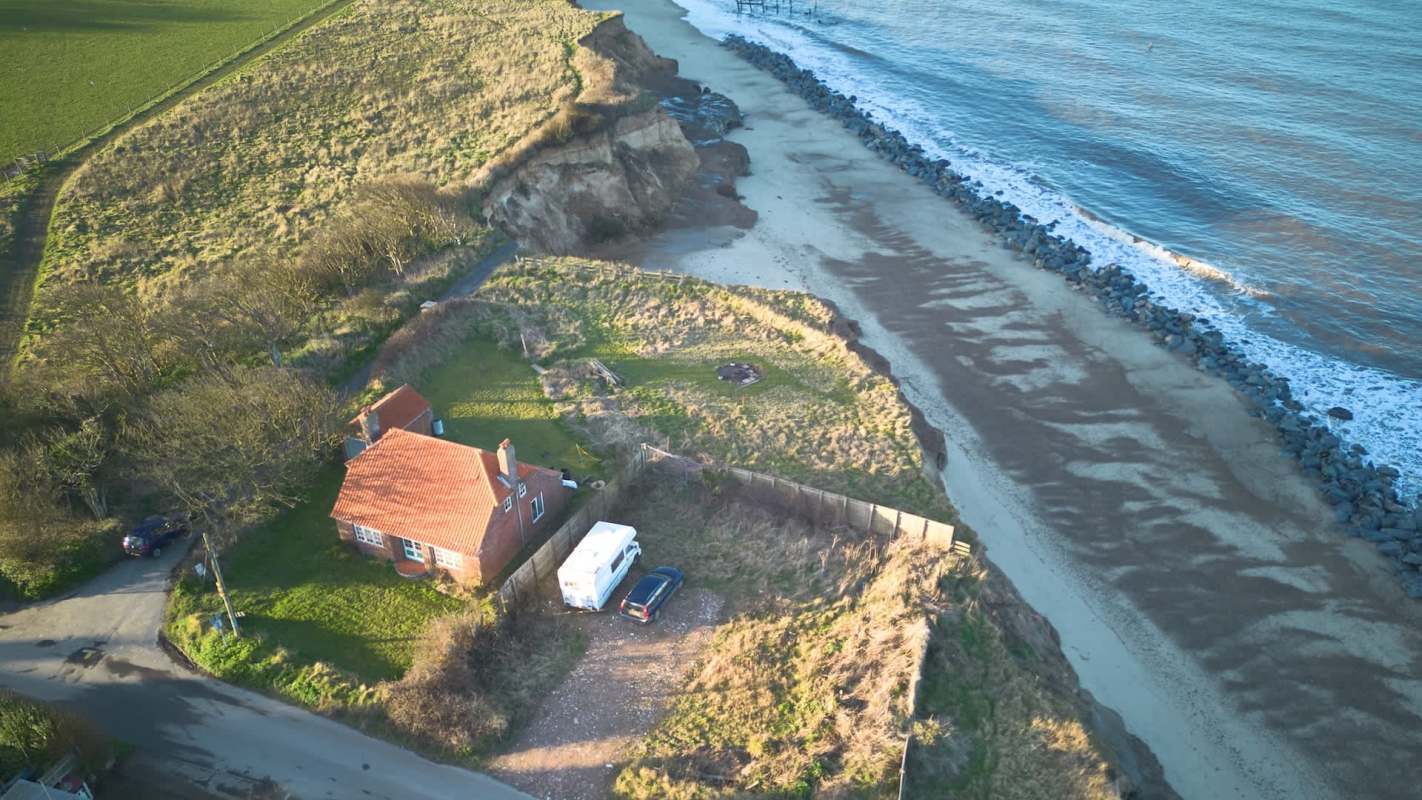
Coastal land subsidence is making sea-level rise even more dangerous for millions of people, and new research suggests the problem is especially severe in densely populated shoreline cities.
Where the ground is slowly sinking, communities are effectively experiencing the ocean rising faster than global averages — a trend that could worsen flooding, damage homes and infrastructure, and make it harder for coastal regions to build a safer future.
What's happening?
According to new research published in Nature Communications, and summarized by the Technical University Munich, people in heavily populated coastal areas are seeing relative sea-level rise average about 6 millimeters a year.
That may sound minor, but it adds up fast — and it is roughly three times higher than the coastline-weighted global average of 2.1 millimeters per year. It is also nearly double the rate of ocean-driven sea-level rise alone, which the researchers estimated at around 3.15 millimeters per year.
The difference comes from sinking land, also known as subsidence.
Researchers said the problem is being driven by factors such as heavy groundwater pumping and oil and gas extraction, along with what lead author Julius Oelsmann described as "the sheer weight of cities" pressing down on the land over time.
TCD Picks » Quince Spotlight
💡These best-sellers from Quince deliver affordable, sustainable luxury for all




Although these sinking cities are not all equal.
The countries that are experiencing the highest relative sea-level rise include Thailand, Bangladesh, Nigeria, Egypt, China, and Indonesia, with relative sea-level rise of about 7 to 10 millimeters per year. The United States, the Netherlands, and Italy also showed elevated rates of around 4 to 5 millimeters per year.
According to the researchers, major subsidence hot spots included Jakarta at about 13.7 millimeters per year, Tianjin at 13.5, Bangkok at 8.5, Lagos at 6.7, and Alexandria at 4. In parts of Jakarta, the ground is dropping by as much as 42 millimeters per year.
Why is coastal land subsidence important?
The study notes that 389 million people live in coastal zones that sit low enough to be exposed, so even relatively modest increases in sea level can have major consequences.
When land sinks while seas rise, flood risks intensify. Streets, homes, ports, transit systems, and water infrastructure all become more vulnerable. Saltwater can push farther inland, storm surges can reach deeper into communities, and expensive protective systems may become outdated faster than expected.
That creates a growing burden for families and local governments alike. Coastal residents may face higher insurance costs, repeated property damage, disrupted work, and, in some cases, pressure to relocate. Communities already dealing with rapid growth or limited resources can be hit especially hard.
The findings also show this is not just an ocean problem. In many places, local human activity is accelerating the danger. That means cities cannot fully prepare for future flooding if they only track rising seas without paying attention to what the land beneath them is doing.
This new research suggests that for many coastal communities, sinking ground is making that threat even worse.
What's being done about coastal land subsidence?
The good news is that some of the biggest drivers of subsidence can be addressed locally.
Researchers said groundwater management is one of the most important tools available. Stricter rules on groundwater withdrawals, aquifer recharge, and investment in alternative water supplies can all help slow — and in some cases largely stop — land from sinking.
There are already real-world examples of progress.
In Tokyo, subsidence once exceeded 10 centimeters per year, with some areas reaching around 24 centimeters annually. Government intervention and expanded access to alternative water sources sharply reduced those rates. In Texas, the Harris-Galveston Subsidence District was created in 1975 and was tasked with limiting groundwater withdrawal, encouraging other water supplies, and backing water conservation measures.
For communities, solutions are not out of reach. Local leaders can strengthen water policy, invest in resilient infrastructure, and improve coastal planning with land-motion data in mind. Residents can support those efforts by pushing for smarter groundwater use, stronger flood protections, and development decisions that account for long-term risk instead of short-term growth.

Get TCD's free newsletters for easy tips, smart advice, and a chance to earn $5,000 toward home upgrades. To see more stories like this one, change your Google preferences here.







