


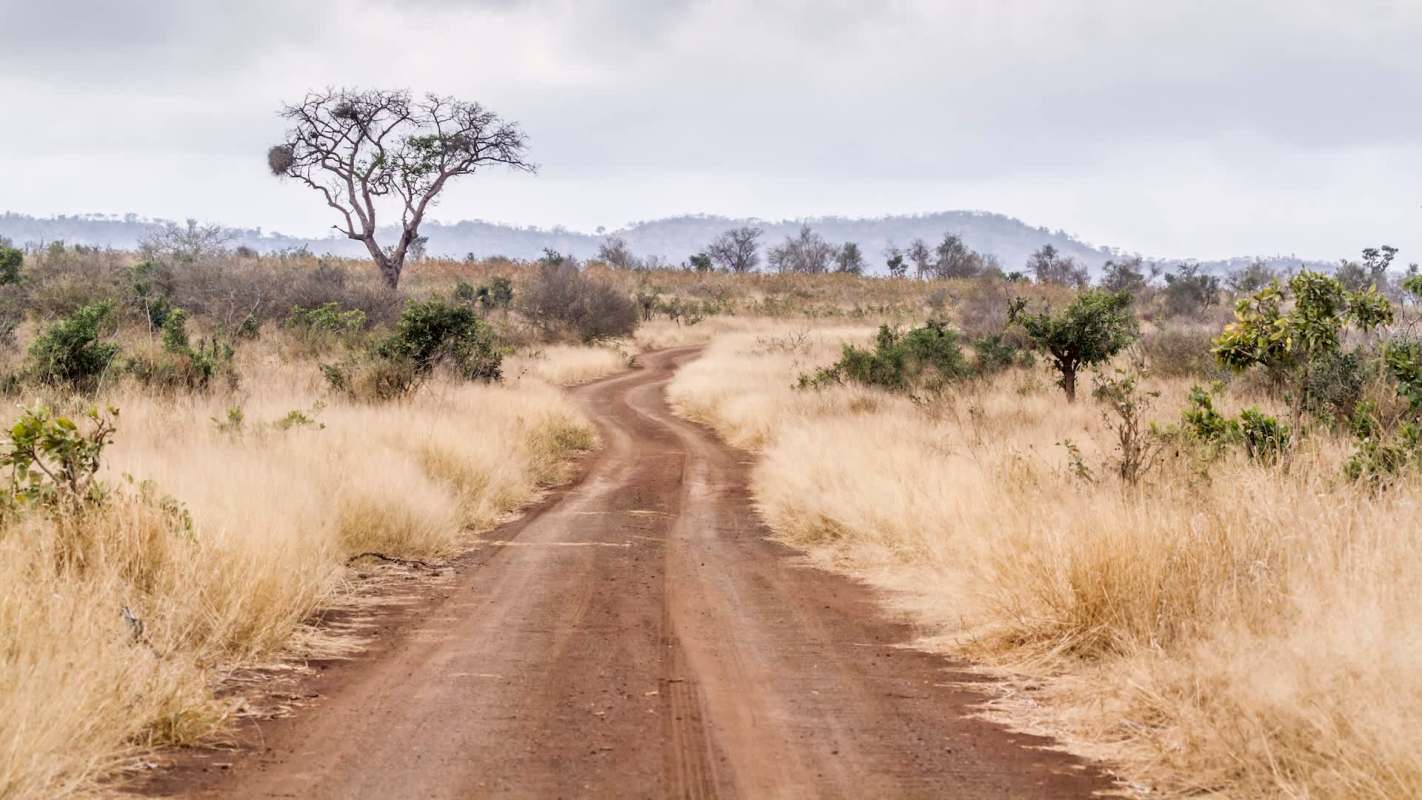
An expansive study of the impacts of climate change on several factors of animal behavior, physicality, and population growth has revealed how species are, or aren't, adapting to increasing global temperatures.
What's happening?
An international team of scientists analyzed the data from 213 studies, looking for links between the changing climate and three key factors across 73 vertebrate species: phenology, the start of breeding or return to summer locations; morphology, which includes body size, weight, and shape; and population development.
Through their research, they found that phenology was significantly impacted by fluctuating temperatures, with warmer years creating an observable shift in breeding times to earlier dates. These changes were determined to be an "effective coping mechanism" to temperature shifts, per a report of the study, with some species actually making positive changes.
However, the paper, published in Nature Communications, noted there was "a strong negative effect of population size" from the temperature changes, especially at low latitudes.
Why is this study important?
The study, which involved over 60 institutions and focused on research with data spanning decades, shows that whatever the adaptation, good or bad, rising global temperatures have a measurable and significant impact on animal behavior and quality of life.
These changes will more than likely have a ripple effect. Different breeding seasons could alter how communities farm or hunt, disrupting traditional practices and creating economic insecurity in extreme cases. There could also be an increase in interactions between humans and wildlife if a species is protecting its nesting or breeding grounds.
What's being done about rising temperatures and behaviors?
"Despite the large size of our data set and often very long duration of the studies included, our meta-study is merely a spotlight on the highly complex world of the effects of climate change on biodiversity," Martijn van de Pol of James Cook University, a senior author of the study, said.
While more research on the impacts is needed, there are steps that can be taken to help slow rising global temperatures.
On a large scale, people can push politicians to implement climate-action policies that reduce pollution.
On a personal level, people can make changes, from small ones such as opting out of using plastic to larger ones such as switching to an electric vehicle, to help play their part in reducing climate-altering pollution.
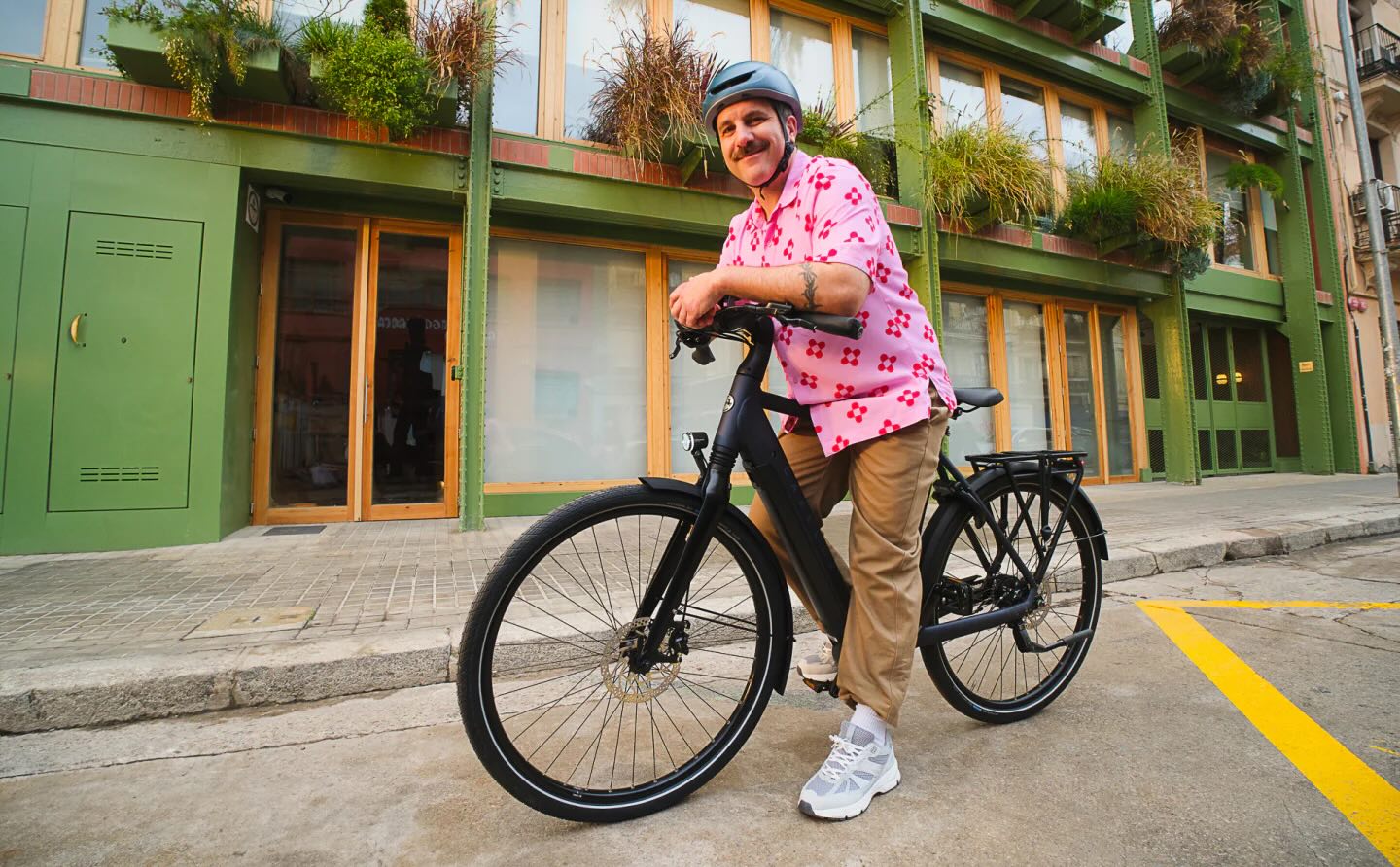
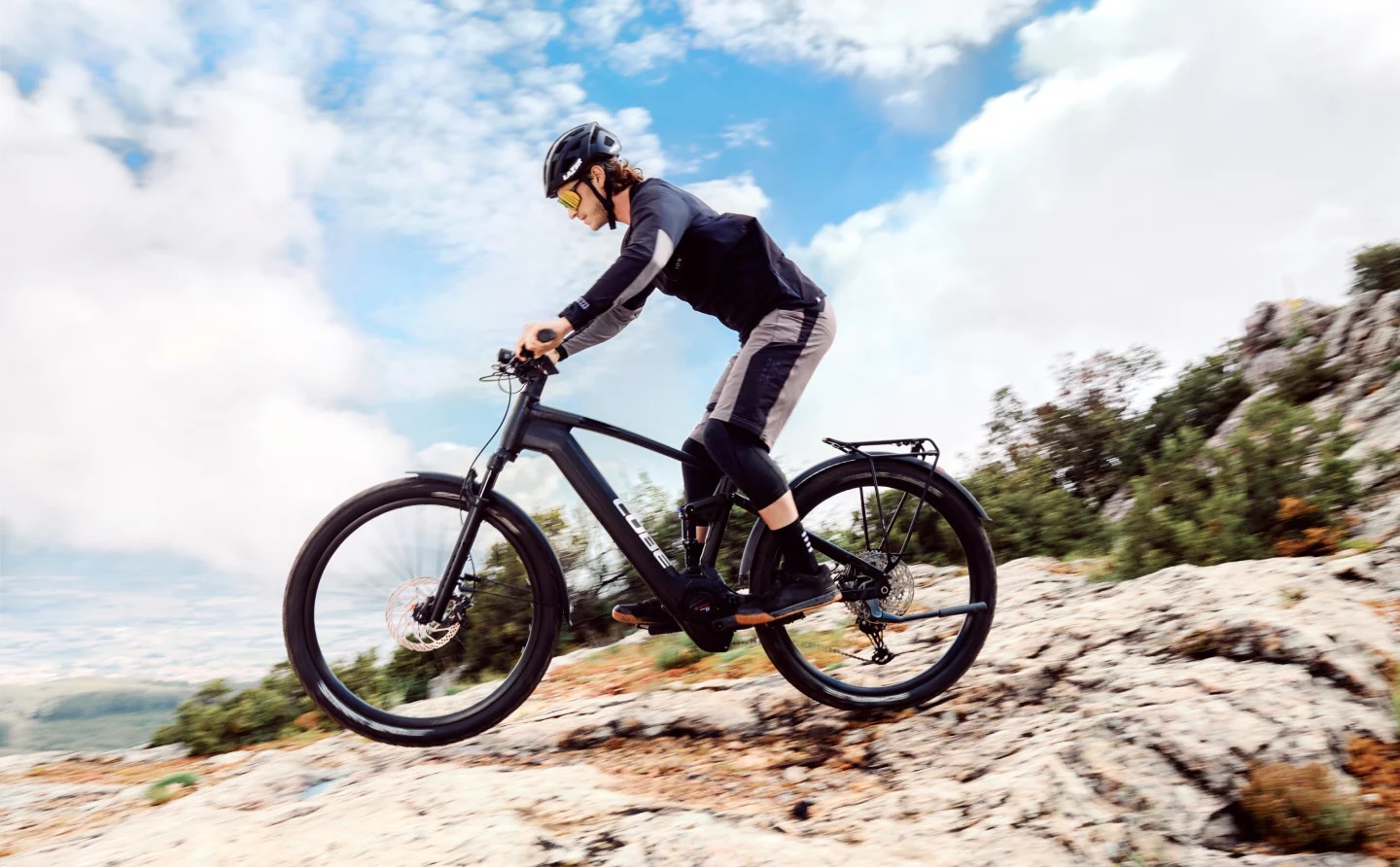
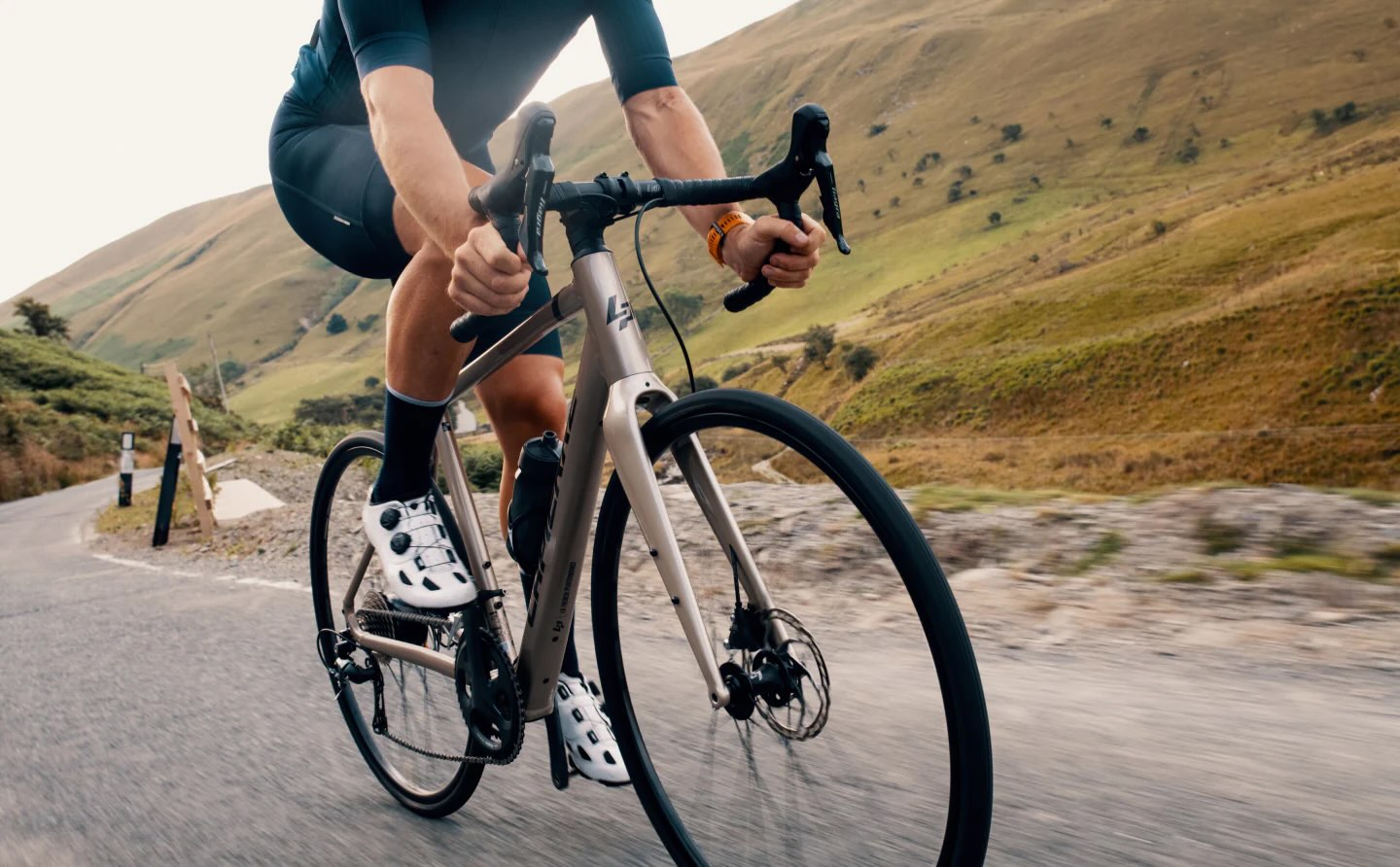
TCD Picks » Upway Spotlight
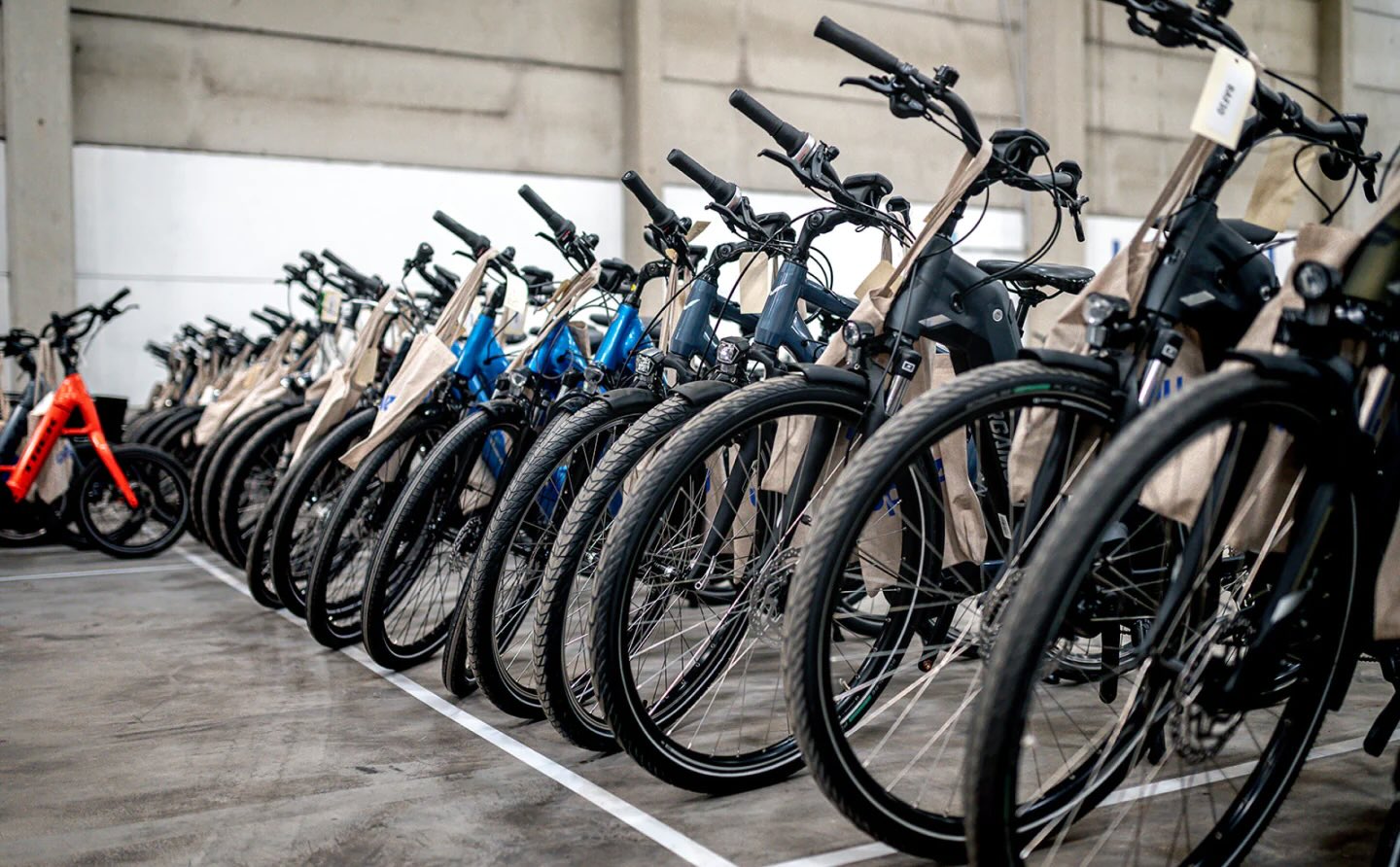
💡Upway makes it easy to find discounts of up to 60% on premium e-bike brands

|
What's the most you'd pay per month to put solar panels on your roof if there was no down payment?
Click your choice to see results and speak your mind. |
 $200 or more 💰
Get TCD's free newsletters for easy tips to save more, waste less, and make smarter choices — and earn up to $5,000 toward clean upgrades in TCD's exclusive Rewards Club.
Cool Picks






