


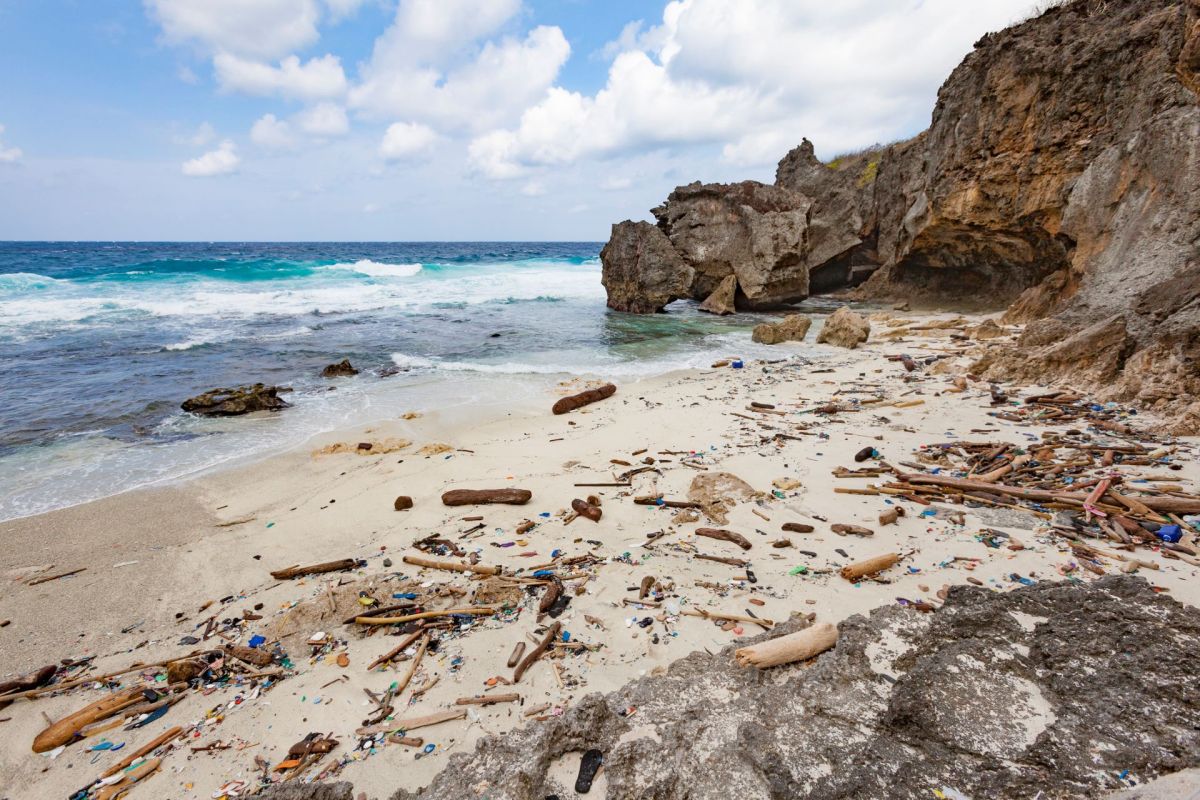
Situated in a remote area of the Indian Ocean, Christmas Island provides vital nesting areas for green sea turtles.
However, the once-pristine beaches here are now littered with plastic trash that has washed ashore, making them dangerous for turtles to lay their eggs.
What's happening?
As ABC News reported, Christmas Island's Greta Beach has become a dumping ground for plastic waste. The trash washes in from the ocean currents, burying the shoreline with discarded plastic products from nearby countries.
Even after intensive clean-up efforts, the plastic waste returns with the tides almost immediately.
The vulnerable green sea turtle population must now navigate piles of Styrofoam, plastic bottles, and old clothing and shoes to nest and incubate their eggs.
Why is plastic pollution concerning?
Plastic pollution has profound impacts on marine environments and the species that live here. Sea turtles and other marine species often mistake plastic trash for food, causing internal injuries and even death.
Perk up the winter blues with natural, hemp-derived gummies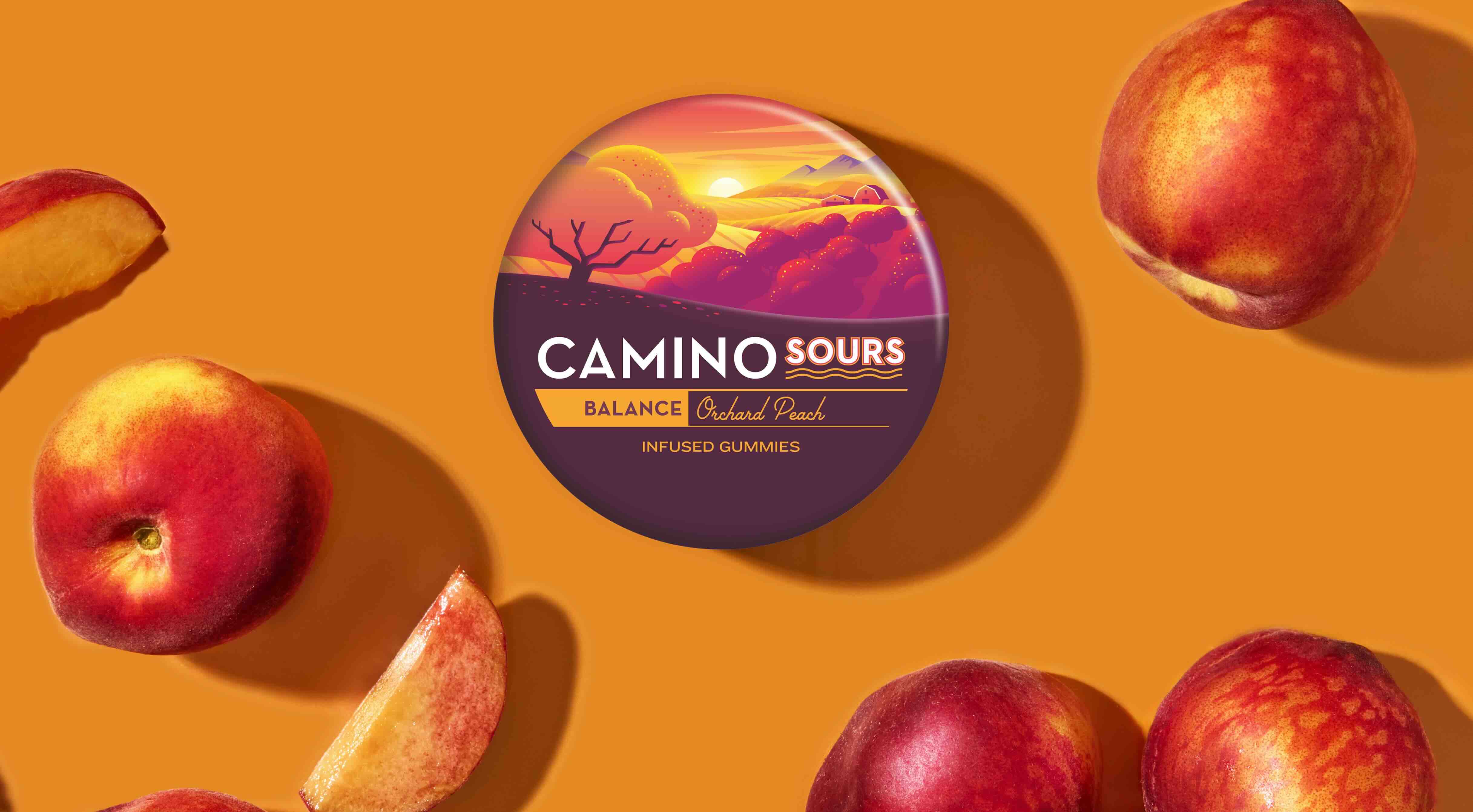 Camino's hemp-derived gummies naturally support balance and recovery without disrupting your routine, so you can enjoy reliable, consistent dosing without guesswork or habit-forming ingredients. Flavors like sparkling pear for social events and tropical-burst for recovery deliver a sophisticated, elevated taste experience — and orchard peach for balance offers everyday support for managing stress while staying clear-headed and elevated.
Learn more → |

Debris washed up on nesting beaches makes it difficult for turtles to dig their nests, reducing the likelihood of successful reproduction. Even if the turtles' eggs survive among the trash, the hatchlings often struggle to get through heaps of plastic to reach the sea.
"So it makes people a lot of money to bring plastics in, but they're not really willing to bring those plastics out," Kyoto University associate professor Dr. Saskia Abrahms-Kavunenko said. "It's a really big problem we are facing."
Unfortunately, plastic pollution isn't just an isolated problem for Christmas Island. Beaches worldwide are experiencing dangerous and disgusting levels of pollution, impacting wildlife, beachgoers, and coastal residents.
What's being done to reduce plastic waste?
Despite the seemingly endless tides washing plastic waste ashore, there are positive efforts underway to inspire hope and change.
TCD Picks » Upway Spotlight
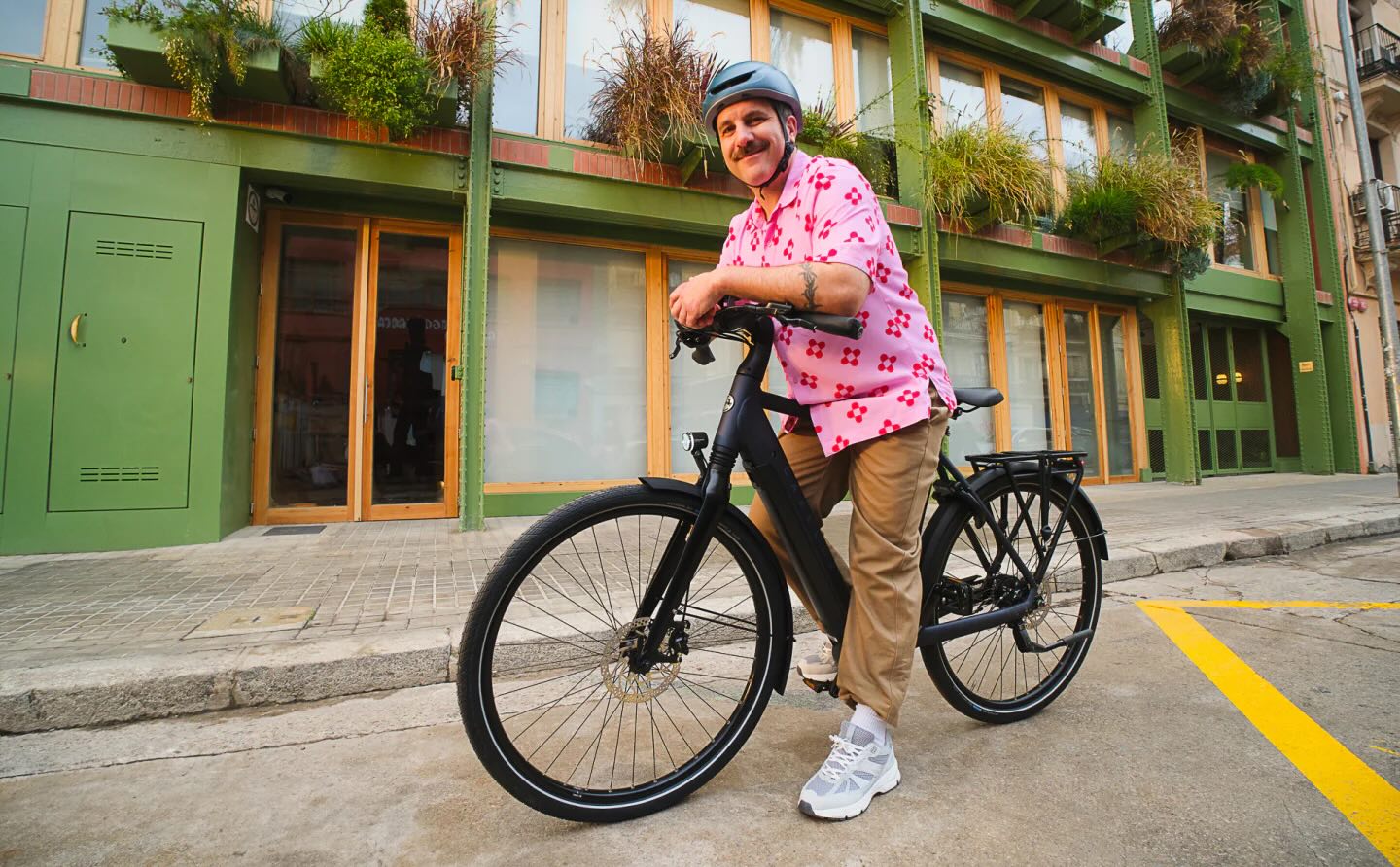
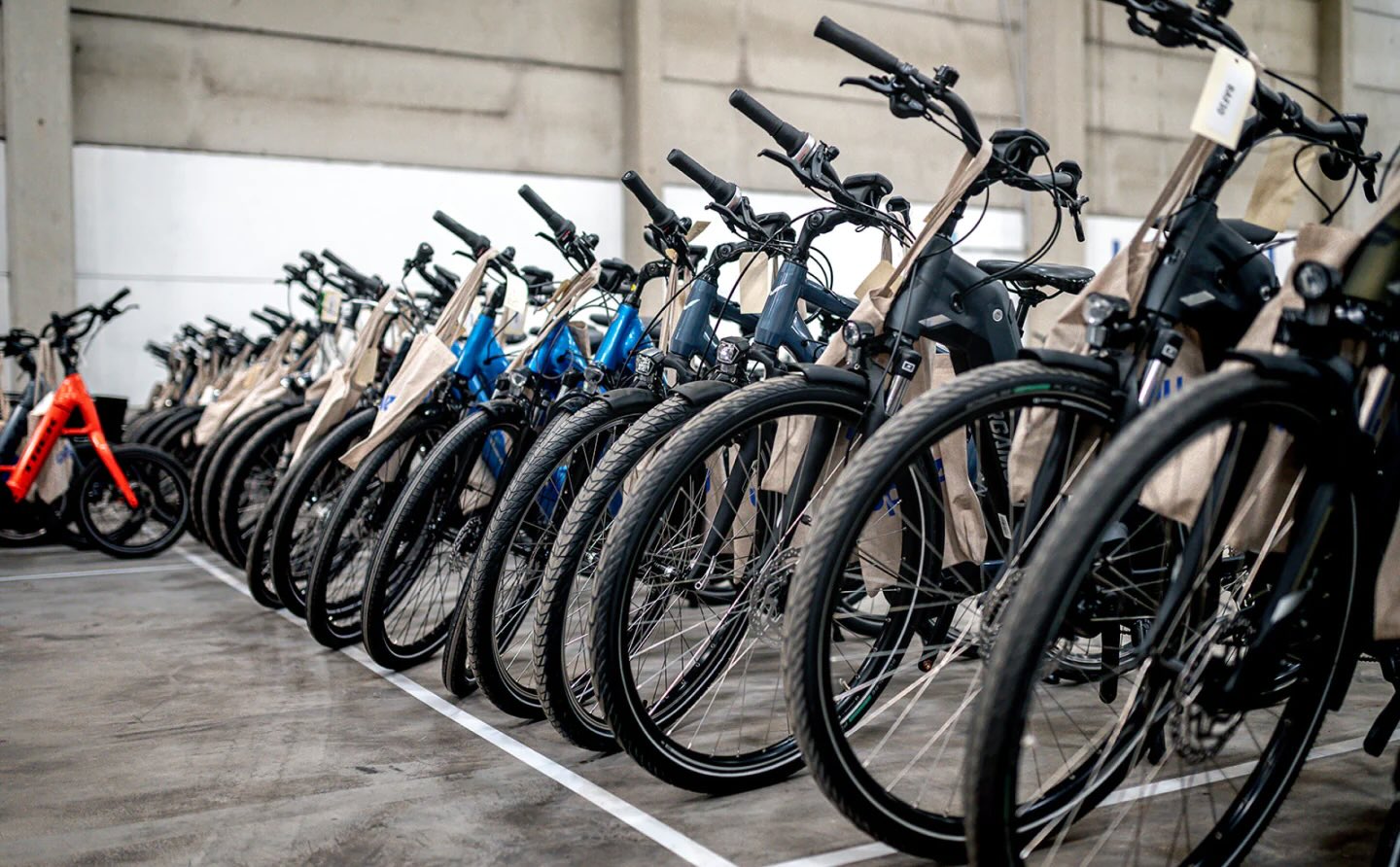
💡Upway makes it easy to find discounts of up to 60% on premium e-bike brands



|
What's the most you'd pay per month to put solar panels on your roof if there was no down payment?
Click your choice to see results and speak your mind. |
 $200 or more 💰
 Local foundations, school clean-up crews, and volunteers continue to work tirelessly to remove trash from beaches and preserve wildlife habitats. Creative art exhibitions are also helping to raise awareness about the issue of plastic waste and spark conversations in affected communities.
Meanwhile, environmental activists are calling for stronger international agreements to improve waste disposal systems and reduce plastic production and use.
As an individual, you can help fight plastic pollution by reducing your reliance on single-use plastics. Support brands with sustainable packaging policies, and set an example for others to follow.
You can also take local action by joining a beach clean-up crew or donating money to marine conservation nonprofits.

Get TCD's free newsletters for easy tips to save more, waste less, and make smarter choices — and earn up to $5,000 toward clean upgrades in TCD's exclusive Rewards Club.
Cool Picks






