


A region on the east coast of New Zealand's North Island is facing the challenge of a fast-spreading invasive weed that threatens farms, wildlife, and the local economy.
What's happening?
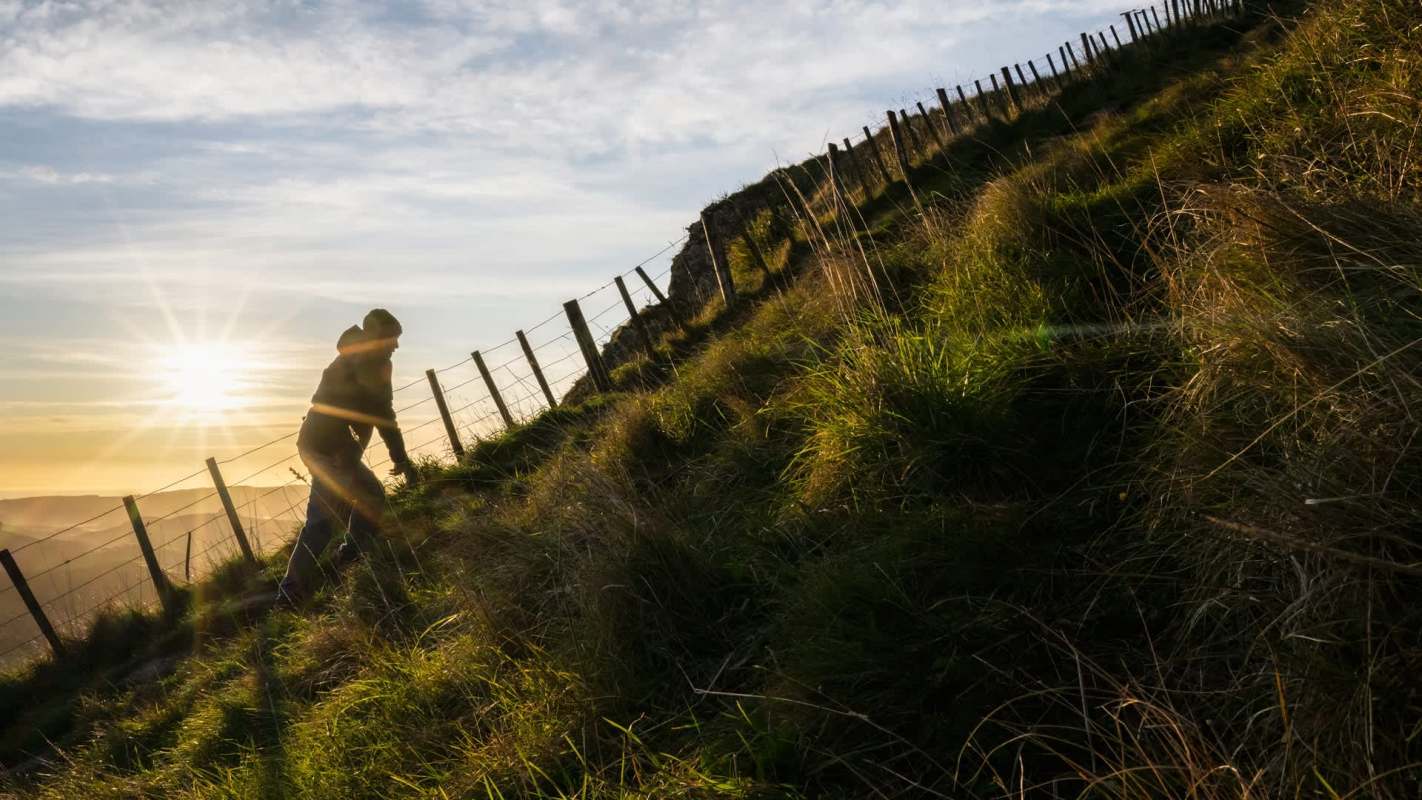
According to Hawke's Bay Today, Chilean needle grass was discovered on Te Mata Peak, a culturally significant landmark and one of the region's most visited recreation sites. It was identified by a regional council team member and later confirmed by a biosecurity team.
The weed's needle-like seeds latch onto animals, machinery, and clothing. They can pierce the eyes and skin of livestock, which can reduce the quality of wool and meat.
Invasive grasses also have the capacity to reduce livestock grazing capacity between 50% and 80%, according to research from Oregon State University.
Local caretakers removed the plants, and the council has sprayed the area. However, officials say they do not know how it arrived.
Why is the discovery of invasive species concerning?
Once established, Chilean needle grass spreads rapidly and outcompetes productive pasture, which lowers feed quality and could also impact regional food security, the environment, and the economy.
For communities like Hawke's Bay, which, according to The Nature Conservancy, is a "key agricultural hub," keeping invasive plant species out is critical to protecting farmers and the local environment.
Erosion threatens 250,000 hectares in the region, and native plants are essential to the ecosystem because they anchor sediment.
What's being done about the Chilean needle grass?
The region's council is surveying known sites, running a regional control program, and working with landowners to contain infestations.
"We're focused on containing it, but success depends on partnership with the community — we need landowners to stay vigilant and report sightings to us," Matt Short, the lead of the biosecurity team researching the spread, told the publication.
TCD Picks » Quince Spotlight
💡These best-sellers from Quince deliver affordable, sustainable luxury for all




Residents can help by checking and cleaning vehicles and tools after visiting potentially infested areas, avoiding the movement of hay or stock from affected properties, and reporting sightings as soon as they can.
|
What's the hardest thing about taking care of your yard? Click your choice to see results and speak your mind. |
 Mowing the lawn 🏡
Get TCD's free newsletters for easy tips to save more, waste less, and make smarter choices — and earn up to $5,000 toward clean upgrades in TCD's exclusive Rewards Club.
Cool Picks






