


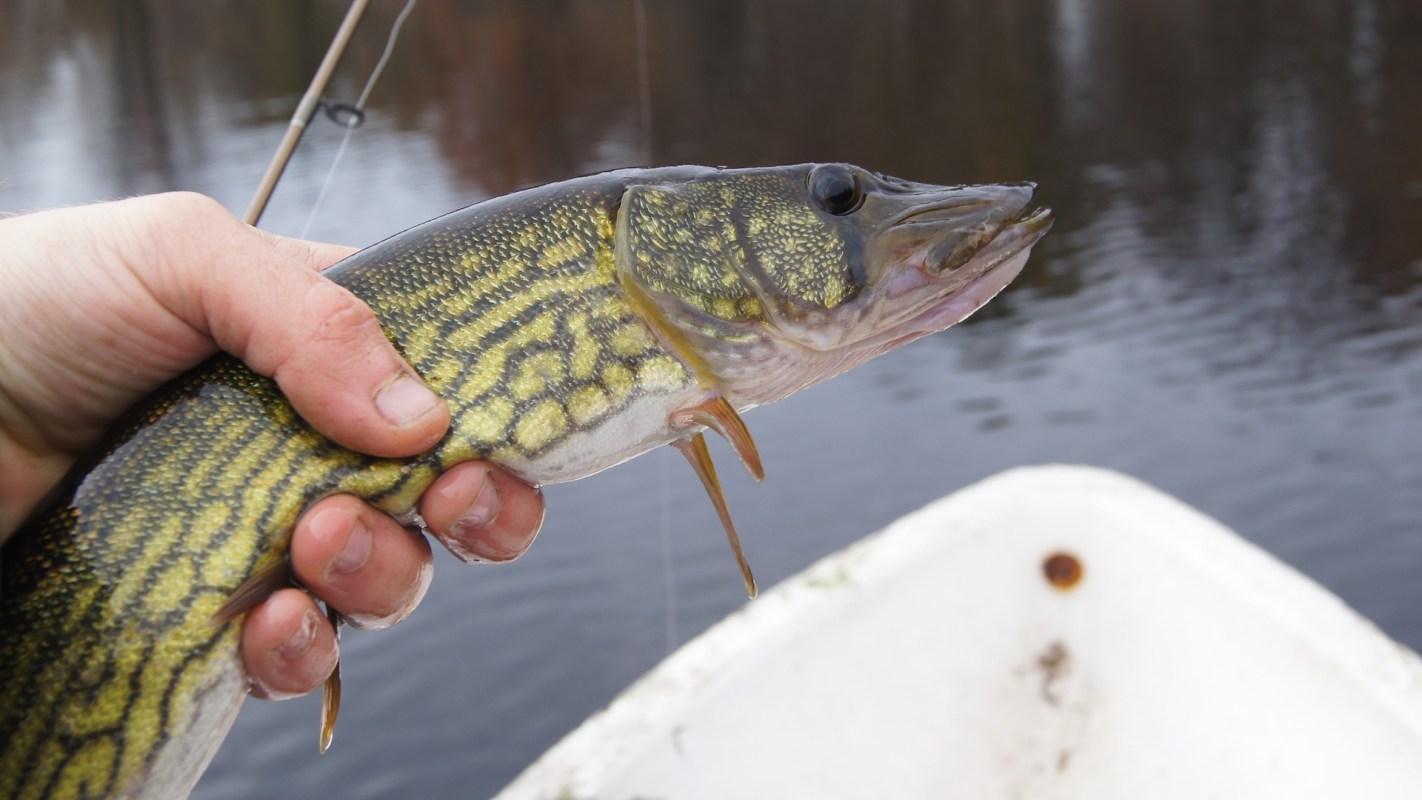
An aggressive invasive fish is altering the waterways at Kejimkujik National Park, and officials worry the consequences may extend well beyond its borders.
Kejimkujik is one of Nova Scotia's best-known protected areas, and a multi-year fish census is showing a troubling situation for the park.
Chain pickerel are now established in lakes and rivers that were once better known for brook trout and yellow perch, according to Global News.
What's happening?
Park officials say chain pickerel gained a foothold in Kejimkujik in 2018 and have since become a major force in the watershed.
Gabrielle Beaulieu, an ecologist with Kejimkujik National Park, explains the gravity of the situation: "They're actually the top predator in our watersheds right now."
Evidence of that takeover appears in the park's latest Angler Diary Report, which recorded more than 5,300 chain pickerel, compared with 5,006 brook trout and just under 4,000 yellow perch.
TCD Picks » Quince Spotlight
💡These best-sellers from Quince deliver affordable, sustainable luxury for all




The disparity was even greater last year, when chain pickerel made up nine out of every 10 fish caught.
The park has already changed how it manages its waters because of the pressure on native species, ending the brook trout creel census, a volunteer program in which anglers caught trout, logged information, and released them.
Beaulieu said the decision was made to avoid adding more strain: "Unfortunately, because chain pickerel has now essentially taken over a lot of the populations of fish in the waters at Kejimkujik, we felt it necessary to reduce any potential stress that we would be putting on native species of fish."
Why does it matter?
When an invasive predator becomes dominant in freshwater, the impact can spread beyond the ecosystem itself, affecting recreation, tourism, local traditions, and native wildlife that depend on healthy lakes and rivers.
Beaulieu said chain pickerel "outcompete a lot of the native species, both for food and shelter throughout the park, as well as outside of the park."
If the fish reach more watersheds, brook trout and yellow perch could lose more ground.
Sheri MacNeil of the Nova Scotia Invasive Species Council said chain pickerel were brought to the province in the 1940s for sport fishing around the Yarmouth and Digby areas.
The council is also watching waterways in northern Nova Scotia and Cape Breton.
"They have impacted the trout and it will happen in other watersheds in other areas if we don't try to prevent the spread," MacNeil said.
Once an invasive species is this entrenched, restoration can become harder and more costly, biodiversity may decline, and native species that are already vulnerable can face added pressure.
What's being done?
To slow the spread into more waterways, Nova Scotia has a catch-and-kill policy for chain pickerel.
Monitoring efforts are also continuing outside Kejimkujik as the council tracks where the fish are turning up.
Beaulieu said chain pickerel are fairly easy to spot near the surface, and anglers are being urged not to do anything that could carry the fish into new watersheds or other areas.
Both Beaulieu and MacNeil emphasized prevention, warning that accidental introductions into additional watersheds or new areas would make the problem worse.
"The food here is plenty. They're doing well. They are a shallow, warm water species and they're predatory," Beaulieu said. "So all the conditions here are actually quite good for chain pickerel to establish and stay long-term."

Get TCD's free newsletters for easy tips, smart advice, and a chance to earn $5,000 toward home upgrades. To see more stories like this one, change your Google preferences here.







