


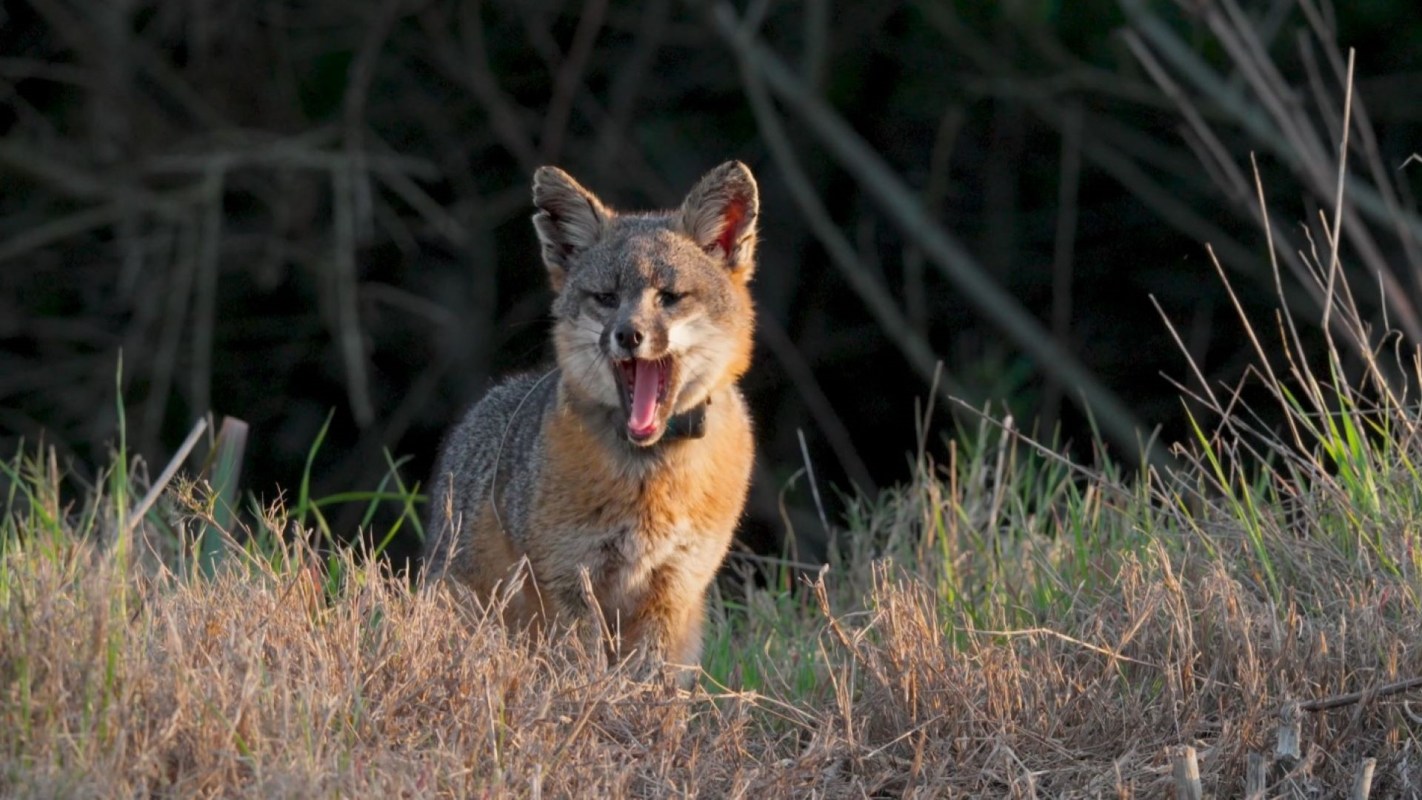
Once reduced to the edge of extinction, the Catalina Island fox has returned in numbers that make it one of California's standout conservation victories.
Now, as the animals occupy more of the island again, preventable vehicle collisions are emerging as a serious threat to that recovery.
What happened?
Even with the encouraging rebound, the latest monitoring data underscores how vulnerable the species still is.
The Catalina Island Conservancy's 2025 Island Fox Annual Monitoring Report put the population at 2,162 foxes, 188 more than in 2024, a sharp contrast with the roughly 100 animals left in 1999.
Recovery efforts over the years — from captive breeding and vaccinations to long-term monitoring — helped drive that increase. Still, the report documented 41 fox deaths in 2025, including 24 connected to human activity; 18 of those were vehicle strikes.
As KTLA reported, the Catalina Island fox occurs only on Catalina Island, making its recovery especially significant for California's biodiversity.
TCD Picks » Quince Spotlight
💡These best-sellers from Quince deliver affordable, sustainable luxury for all




With more foxes moving across more of Catalina, collisions could become more common, so drivers on conservancy roads are being urged to follow the 25 mph speed limit, especially after sunset, when foxes are most active.
Why does it matter?
The fox is part of the island's identity, ecosystem, and tourism appeal. Protecting it helps preserve a place people value for its natural beauty and unique wildlife.
Wildlife recoveries often encounter dangers posed by human infrastructure, especially roads.
As animal populations begin to bounce back, preventing vehicle strikes becomes part of protecting the species.
What's being done?
Years of conservation work have centered on giving the species a stable foothold, with breeding programs, vaccinations, and regular monitoring used to support the foxes while tracking population growth and threats.
That monitoring has shown that vehicle collisions are the leading cause of death, giving wildlife officials a clear place to concentrate their efforts.
The Catalina Island Conservancy is urging drivers to follow the 25 mph speed limit on conservancy roads and to use extra caution after dark. Because foxes are now roaming more widely across the island, even small choices behind the wheel can have an outsized effect.
The Catalina Island fox remains one of California's great conservation success stories, but the latest numbers show that preserving that progress now requires reducing preventable road deaths.

Get TCD's free newsletters for easy tips, smart advice, and a chance to earn $5,000 toward home upgrades. To see more stories like this one, change your Google preferences here.







