


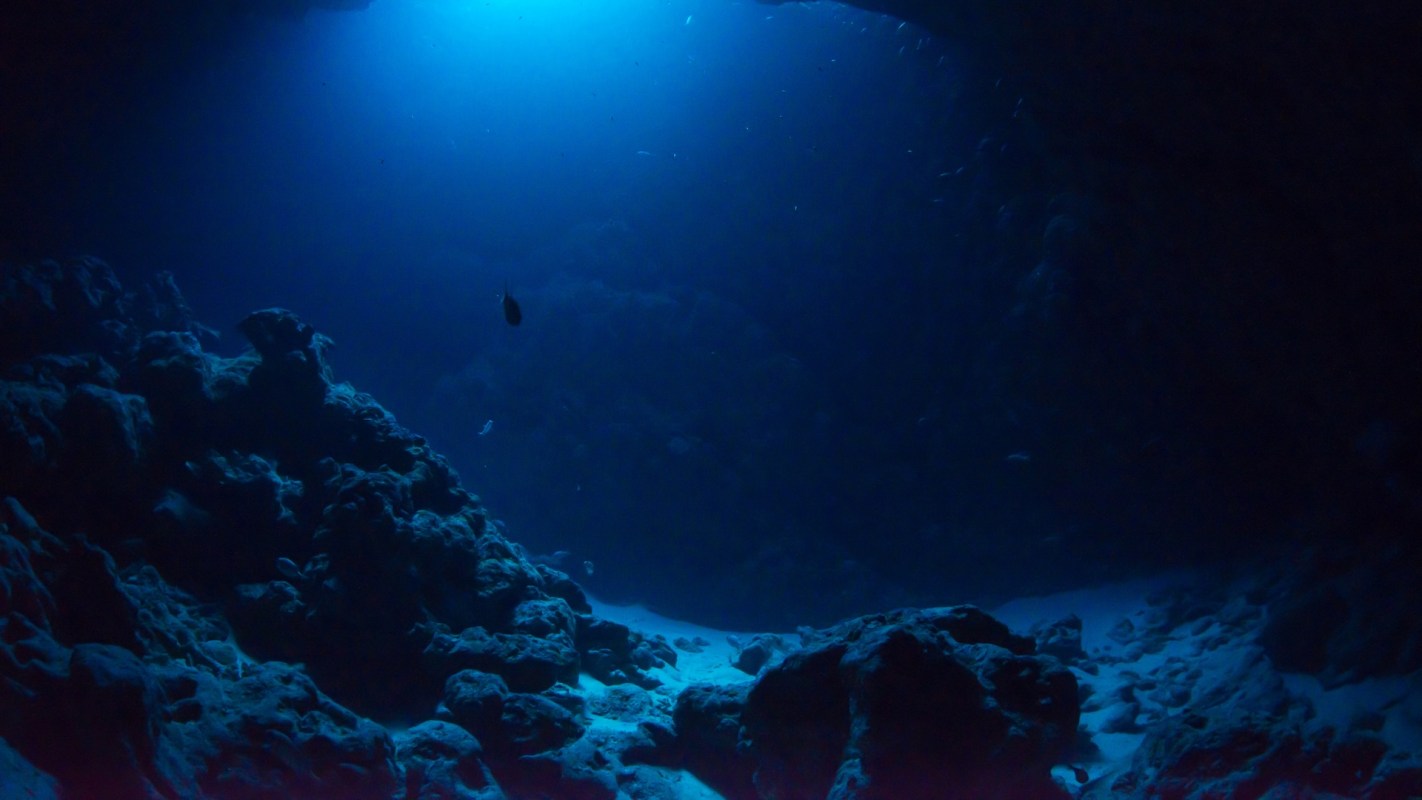
Deep beneath the waters surrounding several Caribbean islands, scientists exploring the ocean floor have uncovered a previously unknown mountain range bursting with life — including never-before-seen creatures, as reported by the BBC.
Led by the UK Centre for Environment, Fisheries and Aquaculture Science, the expedition aboard the research vessel RRS James Cook used advanced deep-sea cameras and sonar to probe depths of up to 6,000 meters (approximately 19,700 feet).
Over the course of six weeks, the team captured over 20,000 images and mapped nearly 25,000 square kilometers of seafloor. Along the way, they encountered a dazzling array of bizarre and fascinating creatures.
"Just yesterday we found a kind of type of swimming sea cucumber, and we still don't know what it is," expedition leader Dr. James Bell told the BBC.
The team also spotted glowing dragonfish, a pelican eel with a flashing pink tail used to lure prey, and the mysterious barreleye fish, whose tubular eyes point upward to detect the silhouettes of animals above it.
One of the expedition's most dramatic discoveries was a massive underwater mountain rising from a depth of about 2,500 meters to just 20 meters below the ocean surface. Its slopes were covered in vibrant coral and jelly-like sea sponges, with fish dashing between them.
Perhaps the most astonishing find was a giant "blue hole" — a crater roughly 300 meters wide and plunging more than 550 meters deep.
"Imagine taking an ice cream scoop out of the sea-floor," remarked Bell. "That's what we saw."
While such formations usually appear barren, the team's cameras revealed sponges, sea urchins, and fish thriving in the crater.
The team also identified deep coral reefs that appeared exceptionally healthy.
TCD Picks » Quince Spotlight
💡These best-sellers from Quince deliver affordable, sustainable luxury for all




|
Which of these savings plans for rooftop solar panels would be most appealing for you?
Click your choice to see results and earn rewards to spend on home upgrades. |
 Save $1,000 this year 💸
 These ecosystems may be protected by their depth, as deeper reefs are often less exposed to warming ocean temperatures that have damaged many shallow reefs in recent years.
Discoveries like this highlight how little we know about Earth's oceans.
"We know the surface of Mars or the Moon better than we know the surface of our own planet," Bell said.
The findings could help island governments better protect marine ecosystems and guide sustainable fishing practices for local communities.
They could also support international efforts to protect 30% of the world's oceans by 2030.

Get TCD's free newsletters for easy tips to save more, waste less, and make smarter choices — and earn up to $5,000 toward clean upgrades in TCD's exclusive Rewards Club.
Cool Picks






