


Increasing temperatures around the globe are threatening the health of all living things and vastly affecting biodiversity. As the United Nations reported, up to 1 million species are threatened with extinction in the coming years.
With such a significant threat, governments, companies, and individuals are all making efforts to limit the amount of carbon released into the air, which traps heat, worsening the problem. This is why a recent report published in Nature Geoscience by researchers at ETH Zurich University is so concerning.
What's happening?
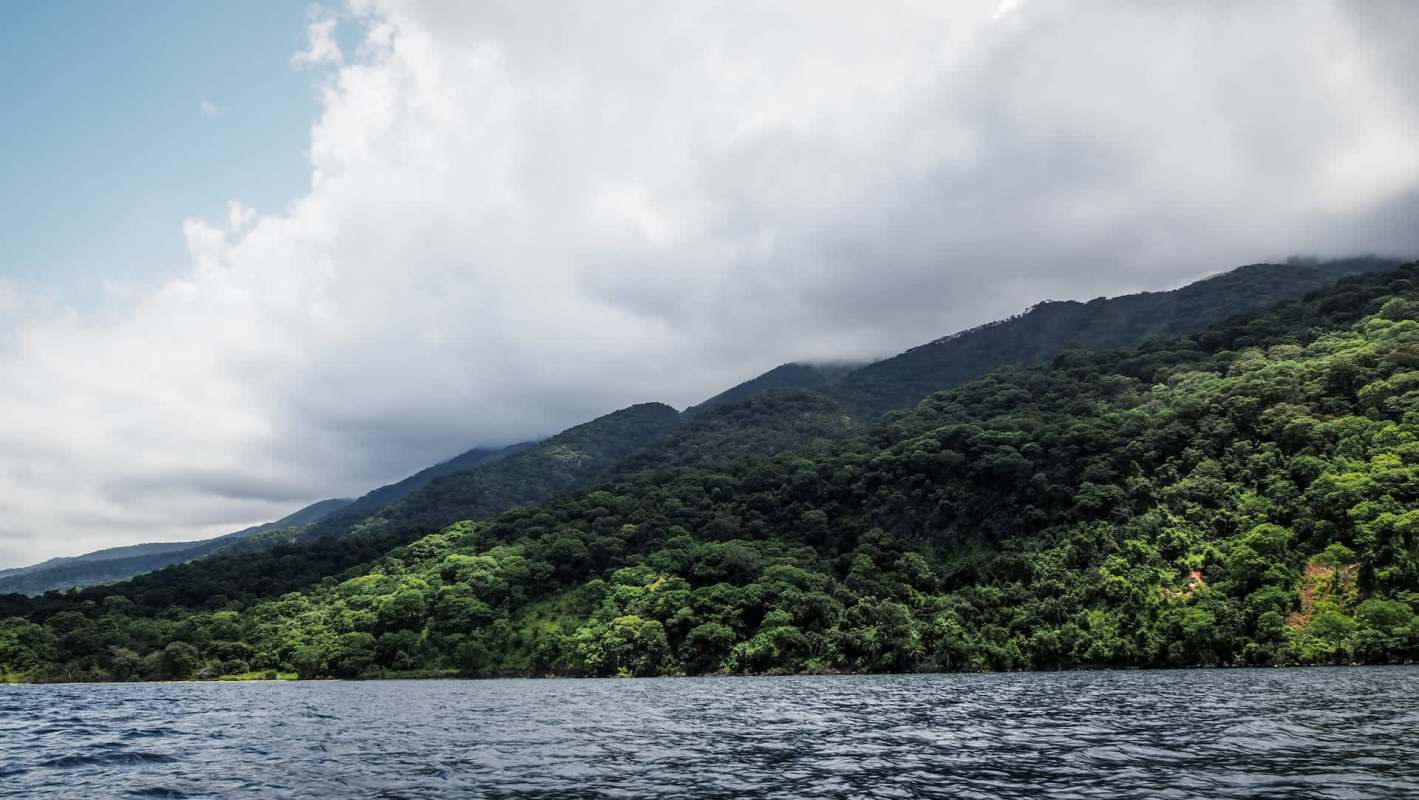
The report details how two lakes in the Democratic Republic of Congo are releasing carbon from surrounding peatlands. The carbon has been locked away for thousands of years, and the release into the atmosphere could significantly affect the stability of our global climate.
The scientists found that up to 40% of carbon dioxide pollution from Lakes Mai Ndombe and Tumba is coming from peat deposits that are over 3,000 years old.
"We were surprised to find that ancient carbon is being released via the lake," lead author Travis Drake said in a statement.
"The carbon reservoir has a leak, so to speak, from which ancient carbon is escaping," co-author Matti Barthel added.
Why is ancient carbon escaping important?
Peat is formed from the accumulation of dead plant material. The vast peat reserves in the Congo Basin cover 0.3% of the Earth's land surface. Despite the relatively small surface area, it is a major carbon reservoir globally.
Unfortunately, this is only the latest of disturbing warnings coming from lake ecosystems about our changing climate. For instance, a study in Greenland showed how their lakes underwent "brownification" after an intense period of heat and rainfall. The browning of the lakes makes them less able to store carbon.
Scientists have also found that Lake Superior is the fastest-warming lake in the entire world, leading to an algal bloom that is threatening the lake's intricate ecosystem.
What's being done about it?
Right now, further study is needed. The Congo Basin is one of the least studied forest regions. Scientists need to do much more research to understand exactly what is happening and how ecosystems are being affected. And while the report is concerning, it is also an important step toward addressing the problem.
TCD Picks » Quince Spotlight
💡These best-sellers from Quince deliver affordable, sustainable luxury for all




Being knowledgeable about critical climate issues is the only way to both limit our detrimental effects on our environment and figure out ways to fix it.
|
Which of these savings plans for rooftop solar panels would be most appealing for you?
Click your choice to see results and earn rewards to spend on home upgrades. |
 Save $1,000 this year 💸
Get TCD's free newsletters for easy tips to save more, waste less, and make smarter choices — and earn up to $5,000 toward clean upgrades in TCD's exclusive Rewards Club.
Cool Picks






