


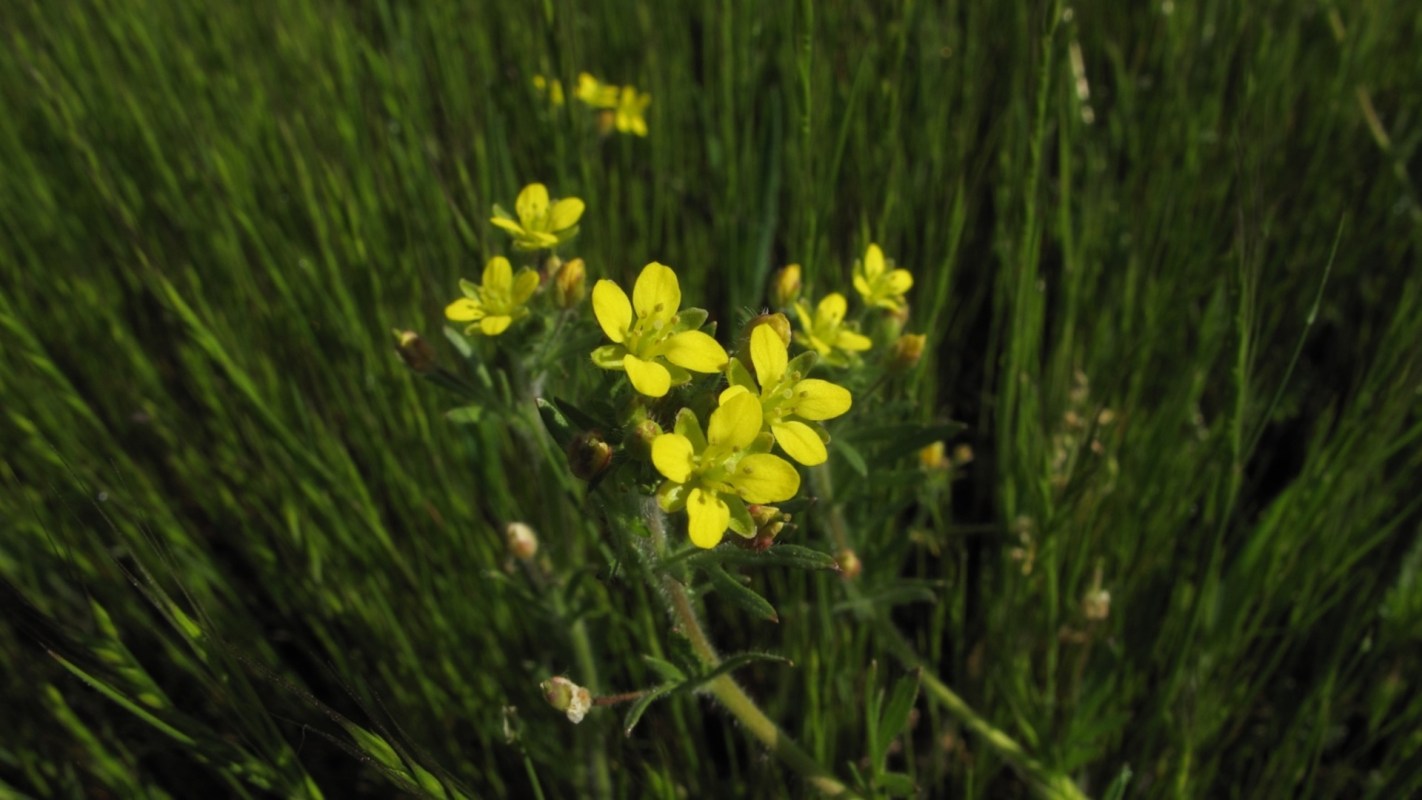
Botanists in California are celebrating the rediscovery of a rare plant species, the caper-fruited tropidocarpum, a member of the mustard family that had not been seen in its native habitat for nearly 70 years.
The discovery happened when a park botanist, doing a routine survey at Vasco Hills Regional Preserve in Contra Costa County, noticed something unusual growing among the grasses.
A closer look confirmed what few expected: The reappearance of a plant thought to have vanished from the area decades ago.
"It's the first of this species that has been found in a long time and specifically on conservancy property," Michele Hammond, a wildland botanist for the East Bay Regional Park District, told SFGate. "It says we're doing something right."
The return of this endangered species is a powerful sign that conservation efforts are paying off. Habitat preservation and active efforts to restore degraded ecosystems truly make a difference.
Why is this good news? The presence of a native species once thought long gone speaks to nature's resilience. Rare plants like these play unique roles in ecosystems, supporting pollinators, soil health, and overall biodiversity.
TCD Picks » Quince Spotlight
💡These best-sellers from Quince deliver affordable, sustainable luxury for all




The fact that this species re-emerged suggests that the grassland ecosystem it inhabits is being sustained and restored, which is great for animals, insects, and other plants that depend on it.
The disappearance of the caper-fruited tropidocarpum over time was driven by the spread of non-native grasses and other invasive plants, as well as habitat loss due to development.
This unexpected revival emphasizes an important rule of thumb for gardeners: Planting and encouraging native species is vital. Native plants are adapted to local soils, climate, and wildlife, and they help keep invasive species in check.
This reemergence shows conservation matters; even species teetering on the brink can bounce back when given the opportunity.
"California is a global hotspot of biodiversity," Hammond said, per SFGate. "So it makes sense that the more we look at the East Bay, the more we keep discovering, or rediscovering."
|
Do you think America does a good job of protecting its natural beauty? Click your choice to see results and speak your mind. |
 Definitely 👍
Join our free newsletter for good news and useful tips, and don't miss this cool list of easy ways to help yourself while helping the planet.







