


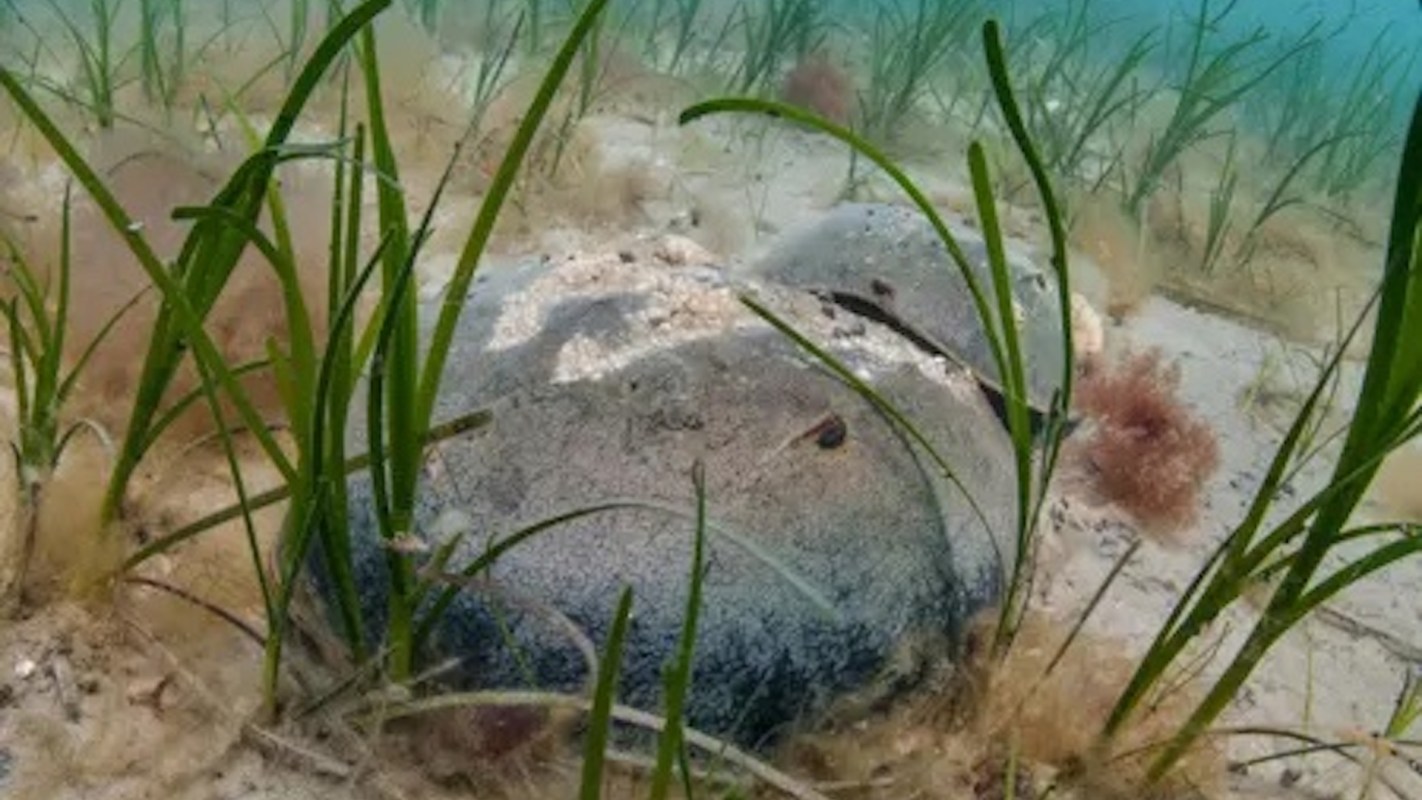
The Cape Cod National Seashore has been quietly pulling off something remarkable. It's restored a species that has been around for roughly 445 million years and nearly vanished from this stretch of coast, according to reporting from GoodGoodGood.
Horseshoe crabs, often called "living fossils," survived several mass extinction events long before humans showed up. Yet by the early 2000s, they had nearly completely disappeared from East Harbor, a salt marsh lagoon within the Massachusetts National Seashore.
The culprit wasn't mystery or bad luck — it was a human-made dike built in 1868 that cut the harbor off from the ocean, disrupting the salty conditions the ecosystem depended on.
That changed in 2008, when local officials allowed seawater to flow back into the lagoon. The result wasn't instant, but it was dramatic. Salt marsh plants and shellfish returned, and eventually, so did the horseshoe crabs.
Today, the animals are back by the thousands, enough that scientists now consider East Harbor a "true habitat." Many of the crabs currently breeding there actually hatched in the lagoon more than a decade ago — proof that the recovery isn't a fluke.
"This is what we call our happy story," said Sophia Fox, an aquatic ecologist at Cape Cod National Seashore.
The comeback matters far beyond one species. Horseshoe crab eggs are a critical food source for migratory shorebirds, and their presence signals a healthier coastal system overall.
Similar successes have shown up elsewhere, from the return of sei whales off Argentina's coast to rising Irrawaddy dolphin populations in Cambodia. Every conservation story like this one is evidence that focused protection can work.
For people who live near or visit Cape Cod, the impact is tangible. Healthier marshes help buffer storms, support fisheries, and keep coastlines resilient. They also offer moments that stop people in their tracks.
One social media user who filmed horseshoe crabs spawning on a Cape Cod beach wrote, "People move here for moments like this."
TCD Picks » Quince Spotlight
💡These best-sellers from Quince deliver affordable, sustainable luxury for all




|
Which of these savings plans for rooftop solar panels would be most appealing for you?
Click your choice to see results and earn rewards to spend on home upgrades. |
 Save $1,000 this year 💸
 Another shared a video of helping a stranded crab back into the water, adding, "I got so excited when I put him in — it took a couple minutes for him to find his way."
Progress doesn't always look flashy. Sometimes, it looks like an ancient species quietly finding its footing again and sticking around this time.

Get TCD's free newsletters for easy tips to save more, waste less, and make smarter choices — and earn up to $5,000 toward clean upgrades in TCD's exclusive Rewards Club.
Cool Picks






