


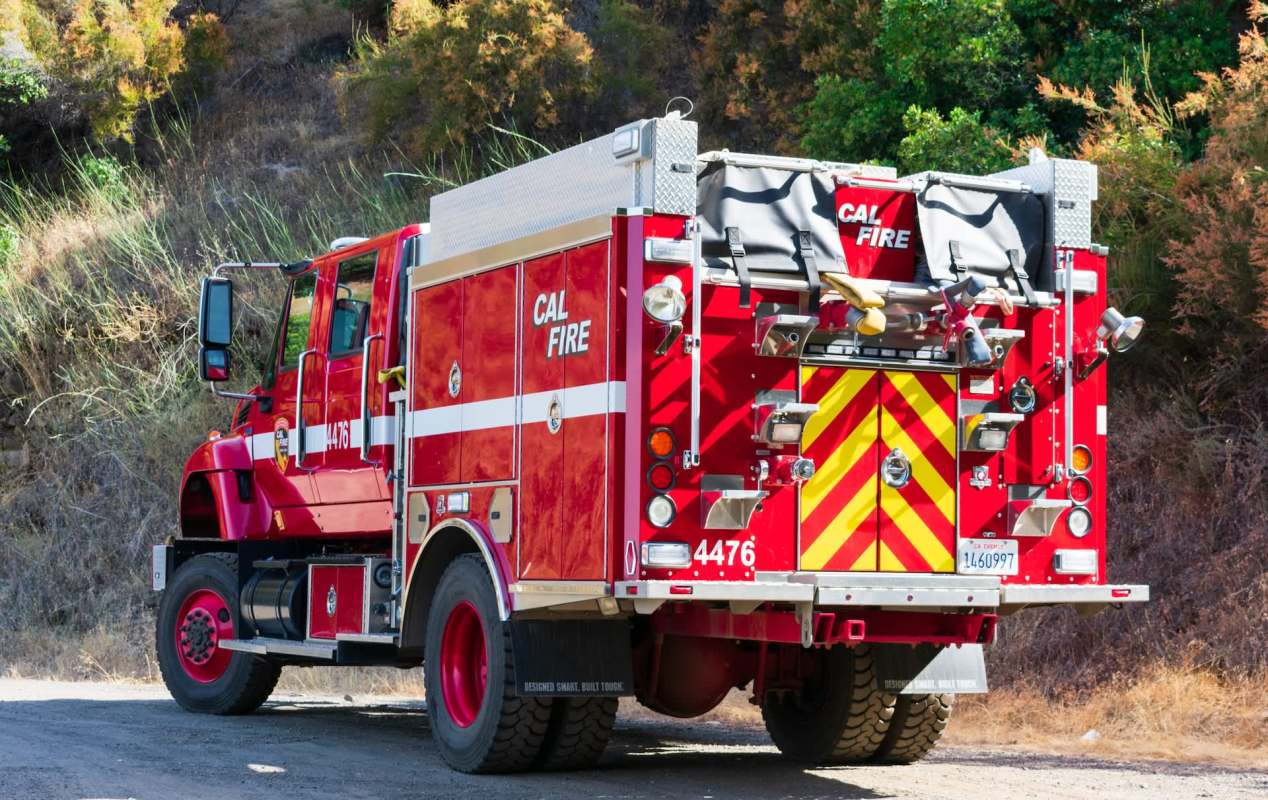
California officials are preparing for a hazardous stretch of hot weather by staging response resources before any wildfires spark.
According to the California Governor's Office of Emergency Services, Gov. Gavin Newsom has ordered firefighting personnel and equipment to be placed in vulnerable parts of Northern California ahead of a period in which red flag fire conditions are expected to coincide with extreme heat.
What's happening?
Cal OES said Wednesday that, under Newsom's directive, it approved the deployment of 26 fire engines, nine water tenders, one helicopter, and more than 100 personnel to Colusa, Glenn, Lake, Napa, Tehama, and Yolo counties.
Parts of Northern California are forecast to face strong winds, low humidity, and dry vegetation this week, conditions Cal OES said could raise the risk of rapidly spreading fires.
The agency said temperatures are also forecast to remain high statewide through the weekend, increasing heat risks for residents and making conditions more difficult for firefighters.
Why does it matter?
Sending crews and equipment into place before the most dangerous weather arrives can have a big effect on how quickly a new fire is brought under control.
TCD Picks » Quince Spotlight
💡These best-sellers from Quince deliver affordable, sustainable luxury for all




If engines, water tenders, and aircraft are already positioned nearby, firefighters may be able to reach a blaze faster during the narrow early period when it is still more manageable.
A quicker response can help limit damage to homes, businesses, roads, and power infrastructure while also reducing smoke exposure that can worsen asthma and other respiratory illnesses.
During periods of extreme heat, preventing large fires can also reduce strain on emergency responders and public health systems that are already under pressure.
What's being done?
California says advance staging has become a central part of its wildfire response playbook.
According to Cal OES, the preposition program also complements the statewide Fire and Rescue Mutual Aid System, which can move support where it is needed.
The state also pointed to broader investments made since 2019. According to Cal OES, under the Newsom administration, the state's fire protection budget has risen from $2 billion to $3.8 billion, and more than $2.5 billion has gone to wildfire resilience and forest health work. The agency also said Cal OES' budget grew from $1.8 billion to $4.5 billion.
Cal OES is also urging residents to get ready now by creating a wildfire action plan, mapping evacuation routes, packing a go-bag, and enrolling in local emergency alerts.
The agency said Californians can check local heat safety guidance at CalHeatScore.CalEPA.ca.gov and broader preparedness information at Ready.ca.gov.

Get TCD's free newsletters for easy tips, smart advice, and a chance to earn $5,000 toward home upgrades. To see more stories like this one, change your Google preferences here.







