


California is offering major cash prizes to help defend its waterways.
The state has launched the Halt the Hitchhiker challenge, which Daily Galaxy described as a competition to develop a feasible solution to mitigate the spread of an invasive mussel species, offering as much as $200,000.
The California Department of Fish and Wildlife has set its sights on the golden mussel. Ranging from about 20 to 45 millimeters (0.8 to 1.8 inches) in size, these tiny mussels get their name from the golden or yellowish-brown color of their shells.
Though tiny, they are a mighty invasive species. Native to South America, the species arrived in California in 2024 and is viewed as especially concerning because it can spread even faster than zebra and quagga mussels, other invasive species that have already demonstrated how destructive aquatic hitchhikers can be.
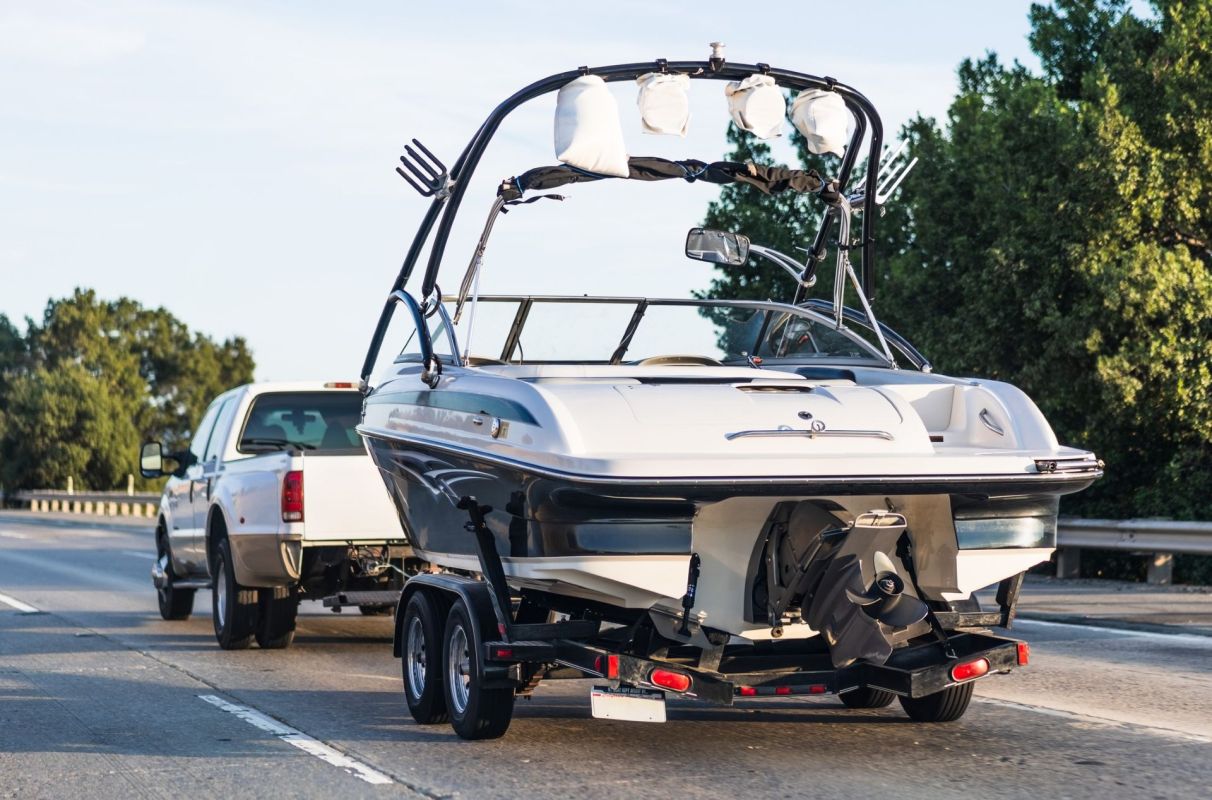
Golden mussels stow away in crevices on recreational boats, specifically ballast compartments, and get carried among lakes and reservoirs, introducing them to new territories where they can take over.
In a state with deeply interconnected water infrastructure, that kind of rapid expansion could carry serious consequences.
TCD Picks » Quince Spotlight
💡These best-sellers from Quince deliver affordable, sustainable luxury for all




The goal of the competition is simple: Protect California's water systems, ecosystems, and outdoor spaces from the fast-moving invasive species before it becomes a much larger problem.
Ballast compartments can conceal mussels in areas that are nearly impossible to inspect visually, making them an easy way for the species to move from one body of water to another. Rather than relying solely on inspections, the state is asking teams to come up with a safe approach for boaters that can eliminate mussels hidden in those compartments.
If successful, the solution could offer meaningful benefits for both people and the environment.
Slowing the spread of golden mussels would help protect lakes and reservoirs, reduce risks to water delivery systems, and lower the chances of costly damage that could affect taxpayers, boaters, and communities that depend on California's water network.
It would also help preserve native ecosystems that can be disrupted when invasive species take hold.
For now, California's most significant move has been acting early. By launching a competition at this stage, the state is signaling that early intervention matters and that addressing invasive species threats may require new tools, not just traditional inspection methods.
The long-term goal is to identify a real-world solution that works at boat ramps and reservoirs before golden mussels become entrenched.
In other words, the Golden State is not simply reacting to an invasive species; it is trying to prevent the next ecological and infrastructure headache before it hitchhikes any farther.

Get TCD's free newsletters for easy tips, smart advice, and a chance to earn $5,000 toward home upgrades. To see more stories like this one, change your Google preferences here.







