


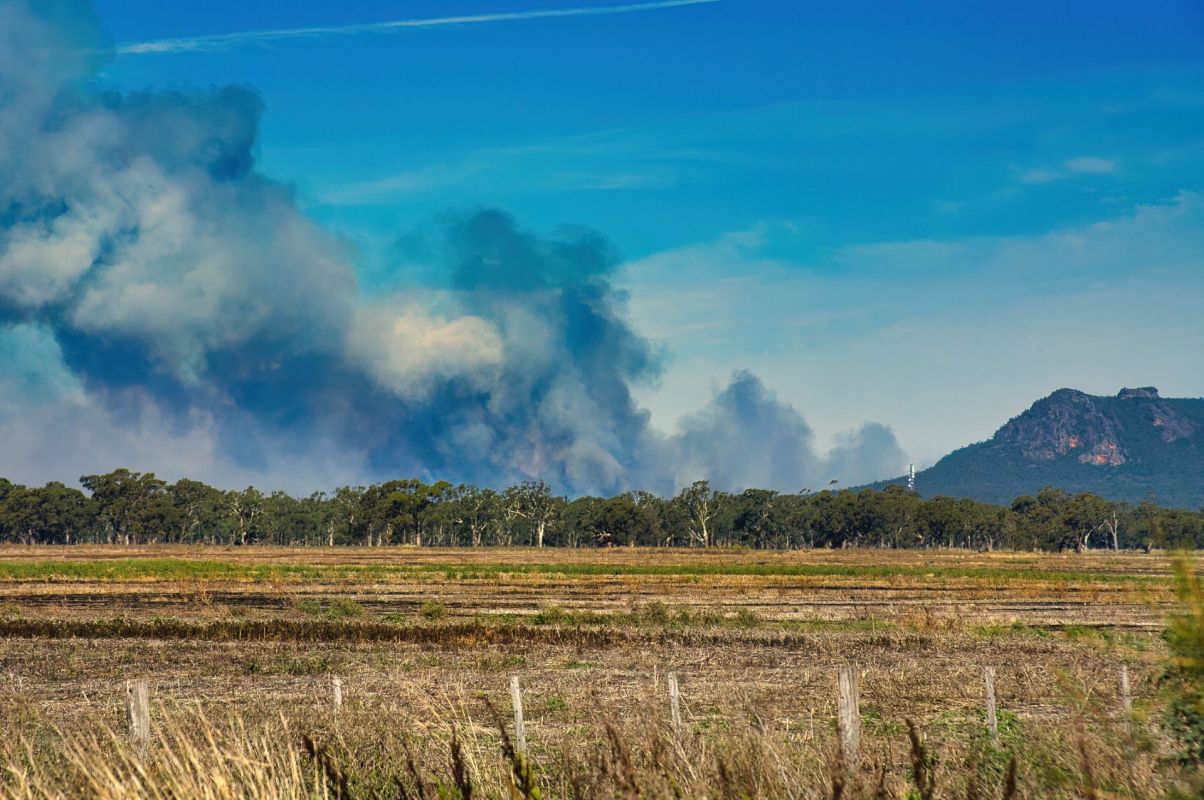
A devastating bushfire season in Australia has left rural communities to deal with enormous loss. It's another example of how extreme heat waves and high temperatures are making life harder for many.
What's happening?
In January, bushfires tore across Victoria. Over 400,000 hectares burned, forcing evacuations and causing many people to lose their homes, the Australian Broadcasting Corp. and The Guardian reported. The fires also devastated local wildlife, with Wildlife Victoria receiving a record number of calls from people finding burned animals.
Across the state, people discovered scores of burned or heat-stressed koalas, kangaroos, wallabies, possums, and birds. Bat populations were especially devastated, with conservationists saying entire generations of flying fox pups were lost.
Kathy Munslow, who runs an animal sanctuary, was forced to flee as the Longwood bushfire closed in on her property. With no way to safely evacuate around 75 animals, she left them behind, not knowing if any would survive. "I just looked out there, and it just looked like the end of the world," Munslow told the ABC.
When she returned, much of her land had been scorched, and a shed had been destroyed. She feared the worst — but most of her animals were still alive, though one cow had to be euthanized. Another rescuer wasn't as lucky. Robyn Coy escaped with the few animals she grabbed by hand, and the rest at her Tarcombe Wildlife Shelter died in the fire.
Why are these bushfires concerning?
These fires demonstrate how increasingly intense heat waves are putting people, animals, property, and crops at risk around the world. Beyond the loss of life and property, large-scale burns strip the land of vegetation, increasing risks of erosion, flooding, and landslides — and slowing recovery. For communities that depend on agriculture or wildlife tourism, the damage can last years.
Events such as this also strain rescue networks and emergency services. As habitats shrink and temperatures climb, animals are more likely to suffer injuries, starvation, and displacement — while farmers face intense emotional and financial stress.
The Guardian estimated that at least 80 homes were destroyed, and at least one person was killed. Heartbroken farmers are receiving donated ammunition to assist in the widespread euthanasia of burned livestock.
What's being done about it?
The Department of Energy, Environment, and Climate Action has deployed teams to locate injured wildlife, while groups including Wildlife Victoria and Fly by Night are coordinating rescues and rehabilitation efforts. Community fundraisers are helping devastated residents begin the long process of rebuilding their homes and livelihoods.
Long-term solutions include efforts to reduce the planet-warming pollution fueling more extreme heat and fire conditions around the world — from California's wildfires to heat waves in Argentina. Restoring native habitats and investing in fire-resilient land management can also mitigate risks.
TCD Picks » Upway Spotlight
💡Upway makes it easy to find discounts of up to 60% on premium e-bike brands





|
What's the most you'd pay per month to put solar panels on your roof if there was no down payment?
Click your choice to see results and speak your mind. |
 $200 or more 💰
Get TCD's free newsletters for easy tips to save more, waste less, and make smarter choices — and earn up to $5,000 toward clean upgrades in TCD's exclusive Rewards Club.
Cool Picks






