


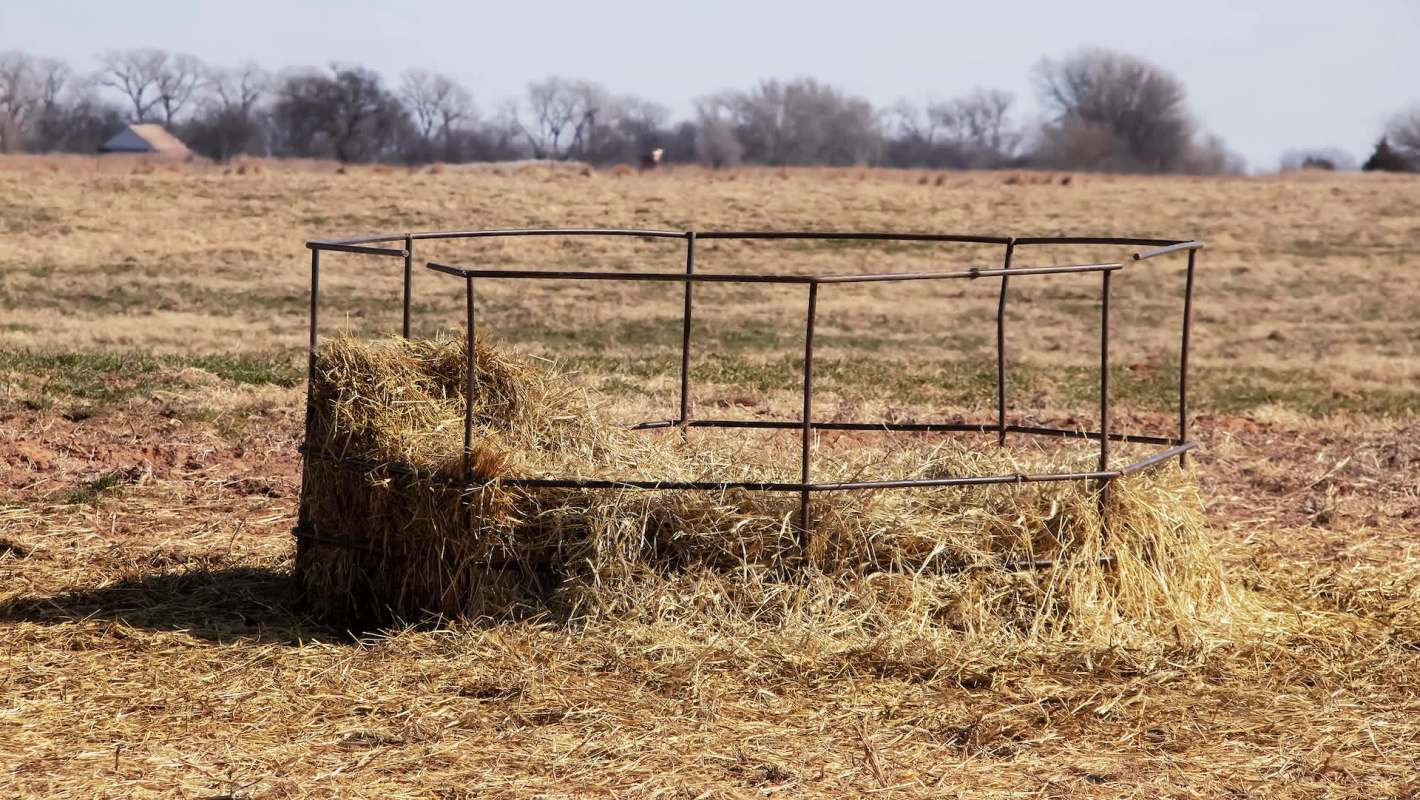
Nearly 200 counties across Texas and Oklahoma are under burn bans, with drought, extreme heat, and dry vegetation combining to keep wildfire danger high.
Here's what to know
Across much of Texas and Oklahoma, burn bans are in effect, including parts of North Texas where concern is heightened.
As KXII reported, county leaders rely on a mix of drought severity, weather trends, and local fire volume before deciding whether to approve one of these restrictions.
In Denison, Deputy Fire Marshal Landon Lindsey said statewide fire-reporting requirements are part of that decision-making process.
"Every fire department in the state of Texas has to report their numbers of whatever fires they've had and what kind of fires they are," Lindsey said.
Those records are compiled monthly for review by the county fire marshal.
TCD Picks » Quince Spotlight
💡These best-sellers from Quince deliver affordable, sustainable luxury for all




Lindsey said an unusually high number of wildland fires can prompt that official to seek a countywide ban from commissioners: "He gets that information he looks at it and sees oh we've had an abnormal amount of wild land fires and he goes before the commissioners and they vote in a burn ban."
Since the local burn ban took effect August 11, Whitesboro firefighters have battled seven wildfires, according to Whitesboro Fire Chief Jeff Patterson.
More background
With the ground so dry and temperatures so high, officials said a fire can consume 20, 30, or even 40 acres in a matter of minutes, creating serious risks for homes, farmland, roadways, and emergency crews.
Officials say the threat persists even without deliberate outdoor burning, and departments are seeing wildfires ignite during these extreme conditions.
Greater wildfire exposure can put more pressure on local fire resources while also raising concerns about property damage and insurance costs in vulnerable areas.
Fire crews across Texoma are expected to stay on heightened alert until significant rain arrives or existing burn-ban timeframes end, including one that remains in place through Sept. 30.
What can be done?
Follow local burn-ban rules closely and avoid activities that could create sparks in dry grass or brush. This includes outdoor burning, debris piles, and using some equipment during the hottest, driest parts of the day.
Residents can also stay in contact with county emergency management offices and fire departments for updated restrictions, as burn-ban rules can vary by county and change with local conditions.
Keeping a family evacuation plan, important documents, and a basic emergency kit ready can also help if a nearby fire spreads quickly.
Local officials said the monthly reporting system remains a key tool in deciding when burn-ban restrictions are needed.
"There's no humidity in the air to dampen it down so it'll just go," Lindsey said.

Get TCD's free newsletters for easy tips, smart advice, and a chance to earn $5,000 toward home upgrades. To see more stories like this one, change your Google preferences here.







