


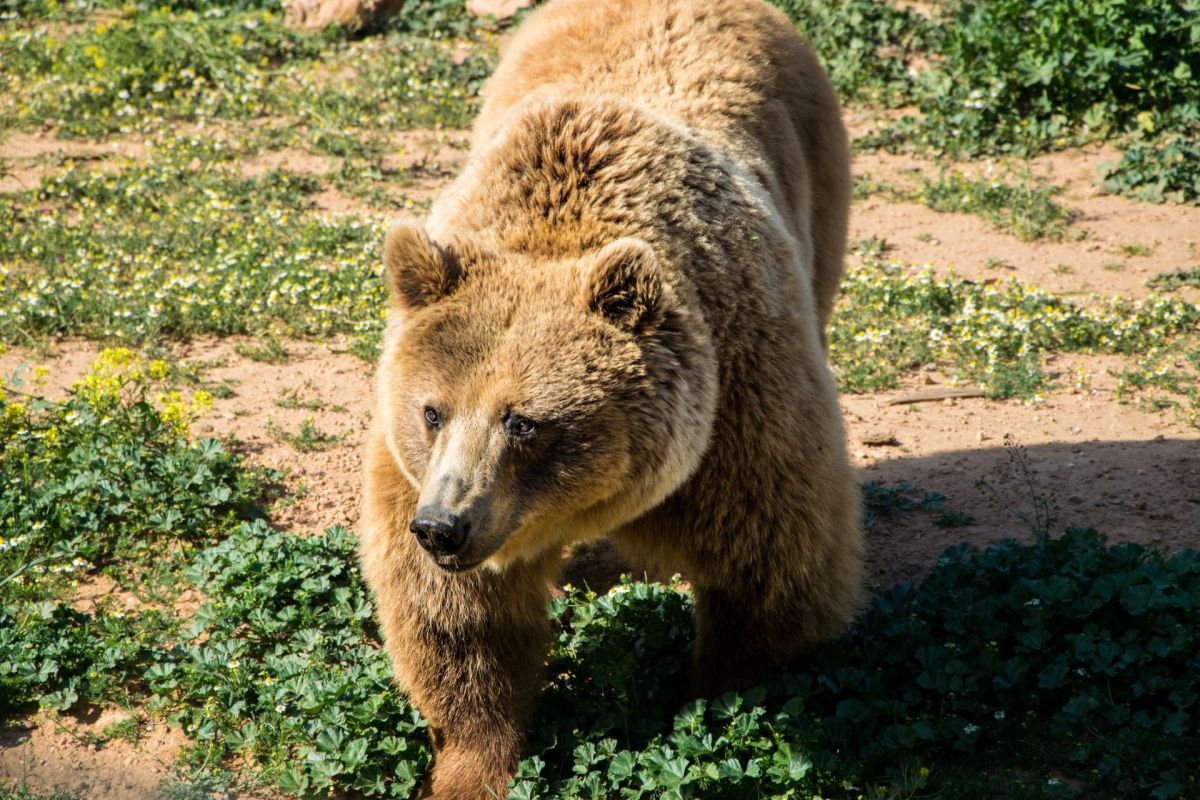
In northern Greece, the recovery of brown bears is increasingly spilling into everyday life, with the animals showing up in yards, town squares, and other populated places.
For some residents, the rise in sightings has become so frightening that they are reluctant to leave home, intensifying a broader debate over how humans and wildlife should share the same landscape.
What's happening?
A 2025 survey counted 900 brown bears in Western Macedonia, nearly double the number recorded six years earlier, according to RFI, citing AFP.
People in villages and towns near Kastoria and Grevena say the animals are no longer confined to remote mountain areas.
In Kleisoura, retired furrier Dimitris Despas recently said bears have been entering home gardens and damaging fruit trees.
"The bears have surrounded us. They come into the house yards, cause damage, eat the fruit off the trees," the 65-year-old told AFP.
TCD Picks » Quince Spotlight
💡These best-sellers from Quince deliver affordable, sustainable luxury for all




AFP also reported that forestry services in Kastoria prefecture received more than 300 complaints about bear sightings near homes from 2025 through last month.
The anxiety is also playing out online. More than 2,000 people around Kastoria have joined a Facebook group called "Not living with bears," where residents share accounts of encounters and call on authorities to respond.
Its administrator, graphic designer Dimitris Mitsopoulos, said that bears have even appeared outside schools while children were inside.
The situation grew even more charged in June. Wildlife groups Arcturos and Kallisto said three bears were found dead in Western Macedonia within two days.
Two had gunshot wounds, while a third — a young female named Circe that had been rewilded — apparently consumed poisoned bait.
Why does it matter?
Residents say the problem goes beyond fear alone.
RFI reported that works contractor Lefteris Zioutis, who lives in Grevena, said, "Because of the increase in the population, people are now very disturbed. Damage is being done to farmers, livestock breeders and beekeepers."
Wildlife groups said that urbanization, land-use changes, and the decline of grazing and other longstanding farming practices have reduced available food and weakened the human presence that once kept bears away from villages.
Encounters between people and wild animals often increase when habitat loss, reduced food availability, and human development bring them into closer contact.
What's being done?
Wildlife organizations are calling for deterrence and prevention rather than lethal responses.
Iason Bantios, spokesperson for the Callisto wildlife group, said crop and livestock losses are "a longstanding issue," but added that "with proper information and preventive and deterrent measures, the phenomenon of bears approaching inhabited areas can be drastically reduced," according to RFI.
Arcturos director Alexandros Karamanlidis said the country's conservation work has helped wild populations rebound.
"Greece has done well in the field of protection, as wild animal populations have recovered," he said, while warning that the recovery now demands a new stage of management centered on human-wildlife interaction.
Arcturos already runs a sanctuary in Nymfaio that houses 20 bears, many of them former captive animals or orphaned cubs.
Groups such as Arcturos and Callisto are also pressing for stronger prevention efforts and more public education instead of poison or gunfire.
Bantios also stressed that concern over safety must not become justification for "lethal and illegal methods against bears."
Both residents and conservationists describe a worsening situation.
"We are in danger," Mitsopoulos said.
Karamanlidis offered an equally stark warning from the other side of the conflict: "We are heading, with mathematical certainty, towards more unpleasant situations."

Get TCD's free newsletters for easy tips, smart advice, and a chance to earn $5,000 toward home upgrades. To see more stories like this one, change your Google preferences here.







