


Many are familiar with animal tagging for conservation and management, whether for identification and tracking or for research and agriculture.
However, scientists have recently decided to track an unexpected creature in Australia — the bogong moth, according to The Guardian.
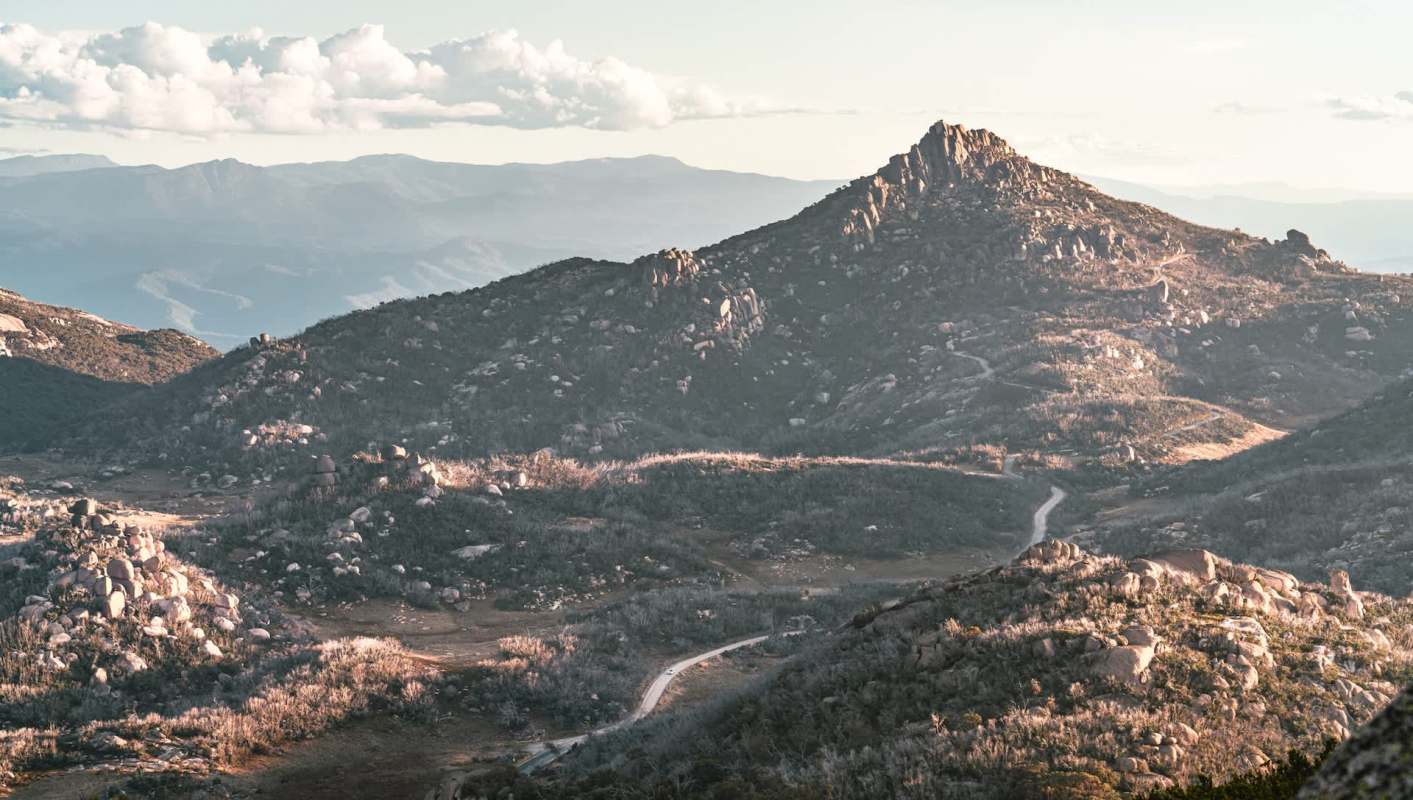
The bogong moth is a night-flying species that travels remarkable distances twice a year to and from the Australian Alps, where it shelters in cool mountain caves before returning to breed.
With a wingspan of nearly two inches and a body length of roughly an inch, this tiny traveler covers hundreds of miles during each migration — a feat that still puzzles researchers.
Now, scientists are taking on a huge challenge: tagging and tracking 10,000 of these determined insects to better understand their breeding habits and migration routes.
"It's low-tech, high-effort tagging," explained Dr. Kayte Umbers, managing director of Invertebrates Australia. "The very first time this has ever been tried."
Researchers are attaching tiny reflective tags — using eyelash glue — so the moths can be detected as they move through the landscape. It sounds simple, but tracking insects at this scale is almost unheard of.
The bogong moth plays an important role in ecosystems, serving as food for wildlife and contributing to nutrient movement across landscapes.
Understanding where these insects go — and what threatens them — can help protect the broader web of life people rely on.
Efforts like this mirror other creative conservation work, from tracking endangered birds with tiny transmitters to protecting endangered lizards across Australia. But studying migration on this scale requires more than lab work or field stations — it requires eyes on the ground.
TCD Picks » Quince Spotlight
💡These best-sellers from Quince deliver affordable, sustainable luxury for all




|
Which of these savings plans for rooftop solar panels would be most appealing for you?
Click your choice to see results and speak your mind. |
 Save $1,000 this year 💸
 That's where everyday people come in.
The next step in the project brings community members directly into the research.
Scientists selected 50 households around Mount Kosciuszko to host special bug lanterns between March and May. If participants spot a tagged moth, they can photograph it, record the sighting, and submit the data online.
One participant, Suzanne Newnham, was thrilled to be selected.
"I love bugs … I thought it'd be interesting to be able to track them," she said.
"We are deeply interested in the environment and ecology," added another sentinel, Louise Freckelton.
Sometimes the smallest travelers help reveal the biggest mysteries.

Get TCD's free newsletters for easy tips to save more, waste less, and make smarter choices — and earn up to $5,000 toward clean upgrades in TCD's exclusive Rewards Club.
Cool Picks




