


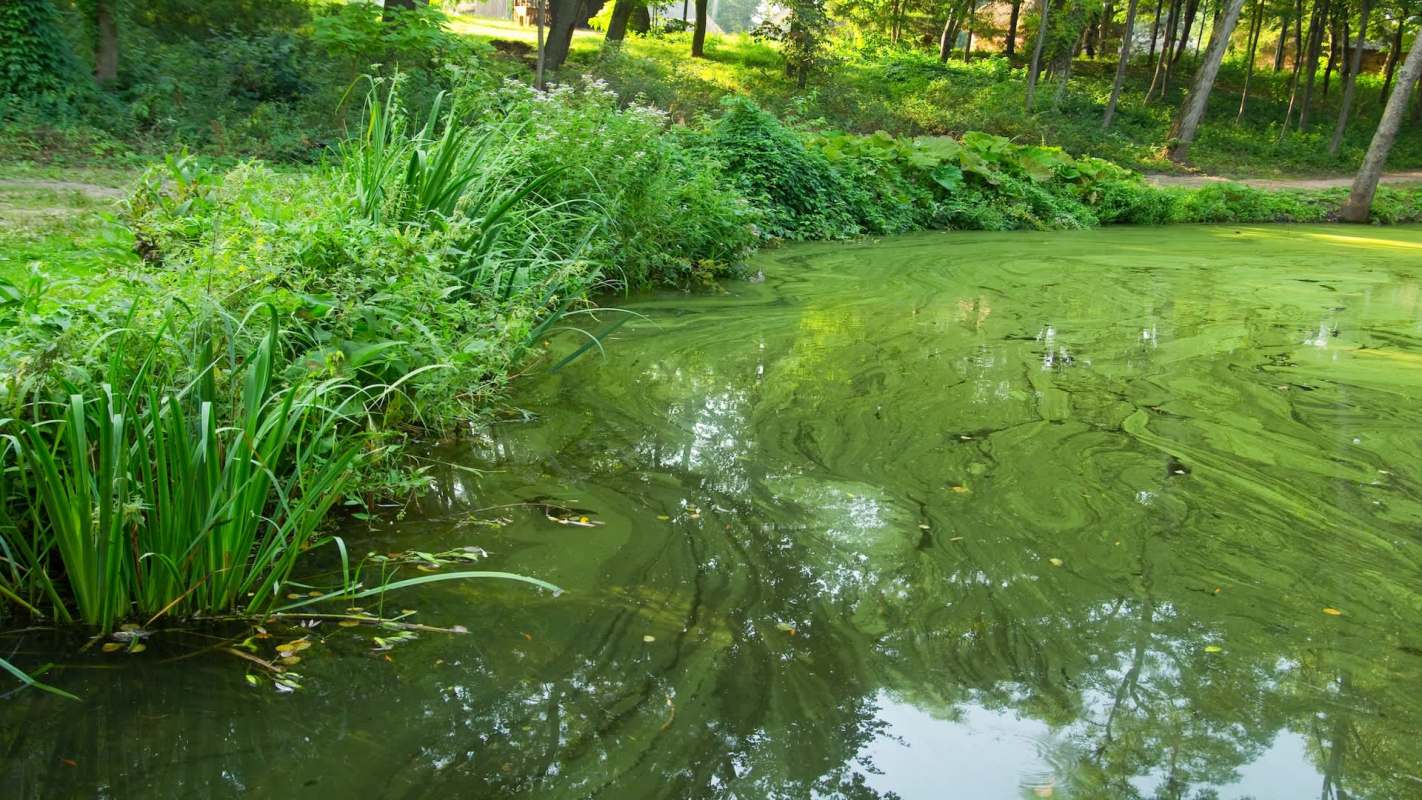
Veterinarians are warning New England residents that a quick swim in a pond can turn into a life-or-death emergency for dogs.
Pet owners should be aware that blue-green algae, or cyanobacteria, can appear in warm, stagnant water and make pets severely ill within hours.
Here's what to know
Boston's Angell Animal Medical Center advised pet owners to be careful around ponds, lakes, and other still water, as The Daily News of Newburyport reported.
Dr. Courtney Peck, chief medical officer at MSPCA-Angell West in Waltham, told the outlet that the risk grows when temperatures climb and water sits undisturbed.
Despite the name, blue-green algae is not actually algae. Peck told the newspaper that cyanobacteria are microscopic organisms that use sunlight to make food and are found worldwide in fresh, brackish, and salt water.
If dogs are exposed to the toxins produced by cyanobacteria, they can die within minutes, according to VCA Animal Hospitals.
TCD Picks » Quince Spotlight
💡These best-sellers from Quince deliver affordable, sustainable luxury for all




"Humans and animals can both be affected, but while we're often cautious of swimming in discolored water, dogs usually have no problem jumping right in," Peck told The Daily News of Newburyport.
And while some blooms create a "spilled paint look," leaving bright green, blue-green, brown, or red streaks, toxic cyanobacteria can also be present even when the surface of a body of water appears normal, Peck said.
More background
Beach advisories and pet emergencies can be tied to the same type of bloom. If a dog swims in or drinks from contaminated water, a family may end up making an urgent trip to the vet. Even a brief stop for a drink along a still shoreline can be enough to create a serious problem.
Prevention is the best starting point. Make sure to keep pets out of lakes and ponds during late summer and early fall, when warm weather, strong sun, and stagnant water can allow blooms to spread quickly.
Bring fresh water on walks to lower the risk that a dog will drink from bodies of water, too.
If your pet does enter natural water, it should be bathed immediately, Peck advised, per The Daily News of Newburyport. Rinsing their coat can reduce later exposure, and people should always wash their hands thoroughly after handling the animal.
Before visiting a pond or lake, families can also check updates from local and state agencies; once you arrive, look for posted warnings.

Get TCD's free newsletters for easy tips, smart advice, and a chance to earn $5,000 toward home upgrades. To see more stories like this one, change your Google preferences here.







