


While the word parasite may bring about expectations of creepy-crawlies, these little worms are the key to something revolutionary.
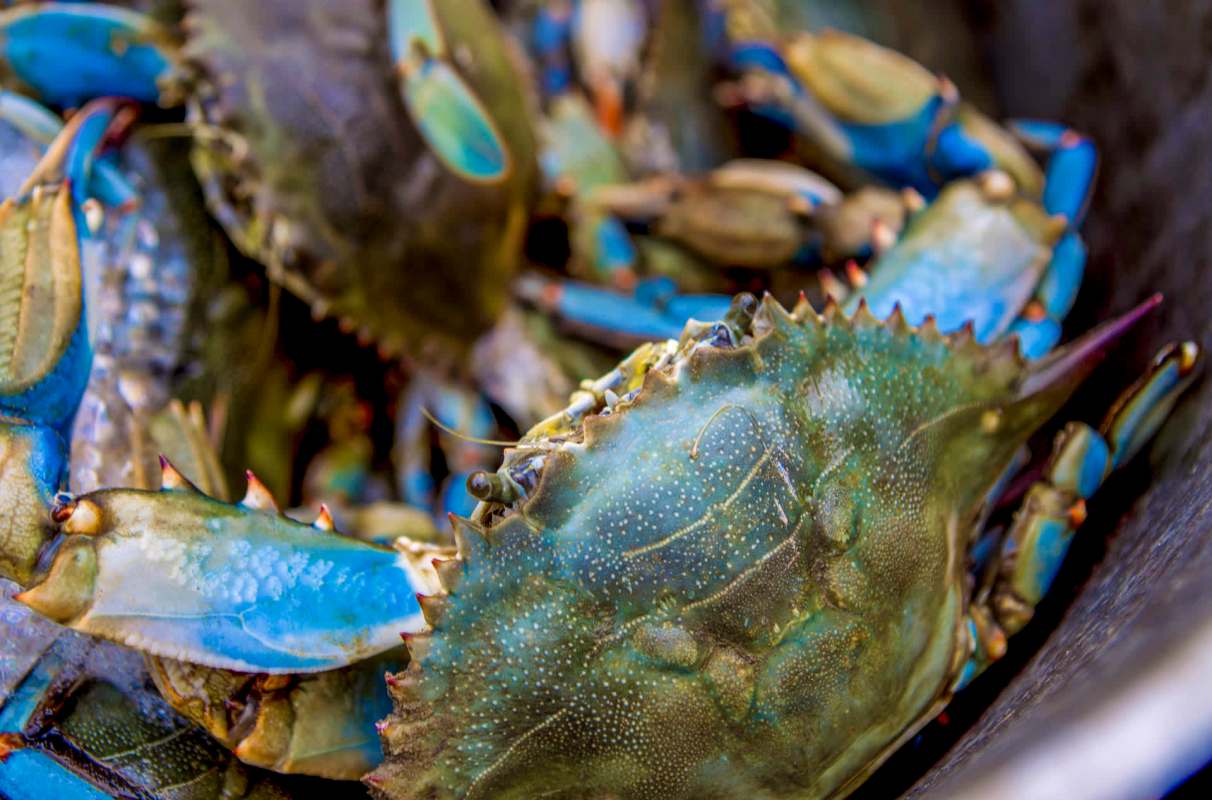
According to a summary posted on Phys.org, "Researchers at William & Mary's Batten School & VIMS suggest these worms could serve as a valuable biomarker for managing" population numbers of blue crabs in Chesapeake Bay.
After the worms eat some of the crabs' eggs, they change both their color and size, indicating to scientists at the Batten School of Coastal & Marine Sciences & VIMS how the population of the crabs is faring based on how their parasites look.
At first, the researchers were concerned that the worms may not be viable. However, in their research, they found that the blue crab worm in Chesapeake is "much tougher" than others under the same classification.
"This means that the worms are likely to infest crabs throughout their adult lives, confirming their potential as biomarkers for reproduction," said the Batten School.
The population of blue crabs had primarily sunk due to "fishing pressure and environmental drivers including pollution and habitat loss," said the Chesapeake Bay Program.
As blue crabs are a keystone species within the bay, maintaining a healthy population and reproduction rate is paramount.
In another study published in the Fisheries Research journal, scientists found that female blue crabs have a time of year when their ability to reproduce increases. Through this, they found differences in the two types of reproduction for female crabs: primiparous and multiparous.
As primiparous crabs created more viable eggs, the scientists at Batten School decided that "it makes sense to protect the primiparous crabs if they are producing more offspring."
Researcher Alex Schneider further touched on how the parasites have become a benefit to not only the crabs but also the fishery and the surrounding environment.
TCD Picks » Quince Spotlight
💡These best-sellers from Quince deliver affordable, sustainable luxury for all




|
Do you think we still have a lot to learn from ancient cultures? Click your choice to see results and speak your mind. |
 Definitely 👍
 "Nemertean worms are a useful, easily implemented tool to determine spawning history and age-specific reproductive potential of crabs that undergo a terminal molt prior to spawning," Schneider said in the Inter-Research Science Publisher.
"If you're trying to increase the blue crab population in the bay, it makes sense to protect the primiparous crabs if they are producing more offspring," Schneider said, via Phys.org. "The presence and physical characteristics of this worm can serve as a sort of living history of whether a crab has spawned, potentially giving us a tool to identify how fecundity changes over a female's life and which crabs are the most productive."
The Chesapeake Bay Program took the initiative to reduce harmful factors and keep the blue crab population stable through regulating fishing rates, restoring seagrass, and improving the quality of the water itself.
They gave those who don't live near Chesapeake a way to contribute to the maintenance of their local ecosystems.
"Consider protecting underwater grasses … avoid harming underwater grass beds and steer clear of grasses growing in shallow waters," they urged.
On top of that, people can help make a difference in their ecosystems, whether by reducing personal waste, joining eco-friendly initiatives, or avoiding fast fashion.
While these actions may seem different from the work being done in Chesapeake, the key is that small measures taken by individuals can build to something much greater. Humans might not be considered a keystone species, but we can use our influence on the world to help species that are.

Join our free newsletter for good news and useful tips, and don't miss this cool list of easy ways to help yourself while helping the planet.
Cool Picks






