


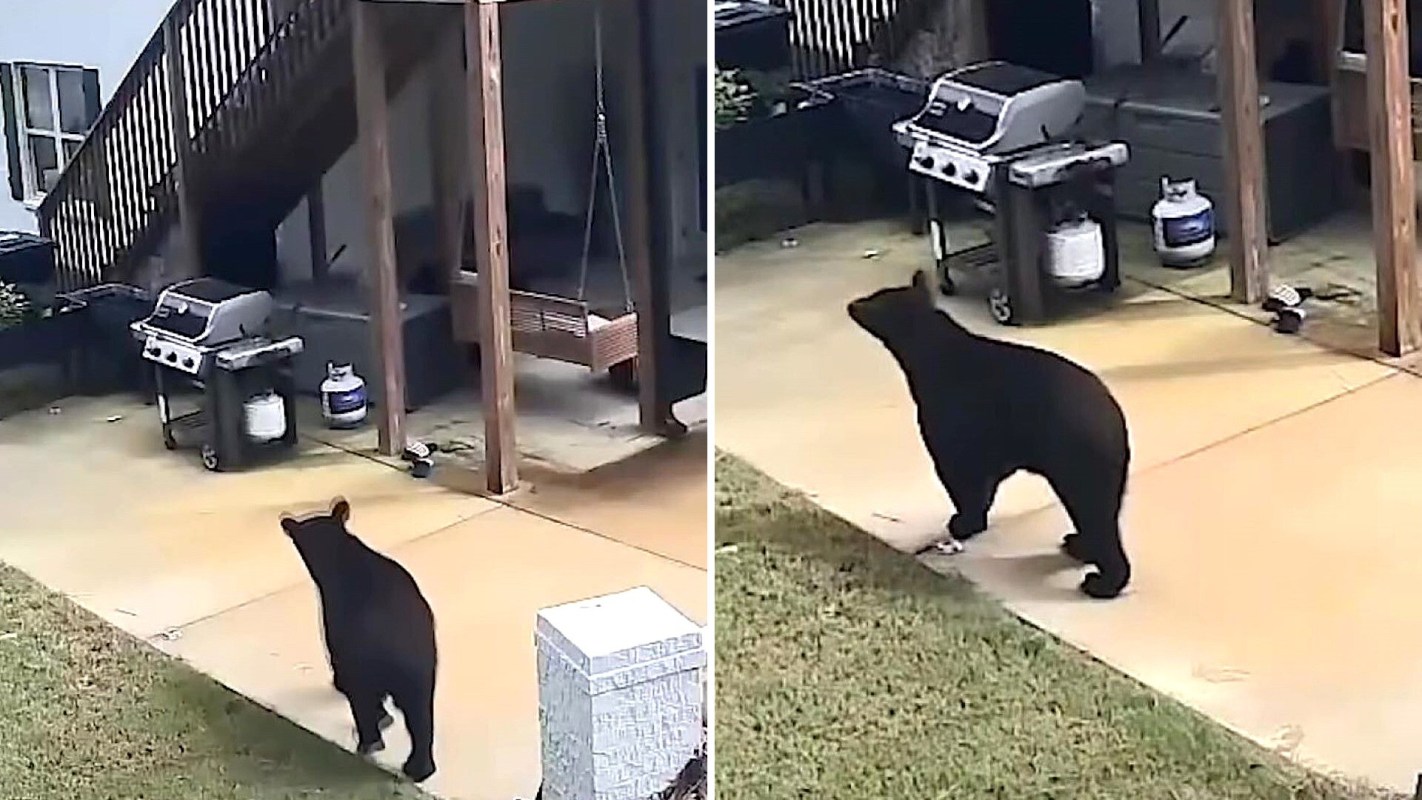
A wild black bear moving through suburbs in Alabama gained attention online.
In North Shelby County, residents watched the animal pass homes, look into yards, and clear fences while photos and videos spread on social media.
What happened?
Posts about the bear took off this week, according to Bham Now. As the animal moved through neighborhood streets, residents shared shots of the bear's travels in real time.
Though black bears once ranged widely across Alabama, their numbers dropped sharply.
In 2006, the black bear was designated as the state mammal, as Bham Now reported. The population is concentrated near Little River Canyon and Lookout Mountain as well as in the Mobile and Washington County area.
Conservation work by the state Department of Natural Resources and Conservation has helped the population grow.
TCD Picks » Quince Spotlight
💡These best-sellers from Quince deliver affordable, sustainable luxury for all




Bham Now noted that male bears, especially young ones, may roam about 100 miles from their North Alabama dens during summer, which could explain how one ended up in the Birmingham suburbs.
Why does it matter?
The sightings point to a broader reality: Wildlife recovery and human development are overlapping more often. As black bear and other populations rebound, animals are likely to move through neighborhoods built near habitats or along travel corridors.
Human activity can also raise the odds of these encounters. Easy food sources such as unsecured trash, outdoor pet food, and bird seed can draw bears into residential areas, teaching them to stay closer to people than they otherwise would.
That can create risks for both residents and the animals. A bear wandering through a subdivision can raise safety concerns, disrupt daily routines, and put pets and people at risk. For a bear, time spent near roads, fences, and homes can increase the likelihood of injury, stress, or other dangerous conflicts.
What can I do?
State guidance, as Bham Now summarized, is for people to leave bears alone. Keep your distance and never feed or try to touch a bear.
That can make future encounters more dangerous by encouraging animals to associate people with food.
Residents can reduce the chances of repeat visits by securing garbage, bringing pet food indoors, and removing other attractants from their yards. If a bear is active nearby, supervise pets and give the animal a clear path to move on to prevent a tense encounter.

Get TCD's free newsletters for easy tips, smart advice, and a chance to earn $5,000 toward home upgrades. To see more stories like this one, change your Google preferences here.







