


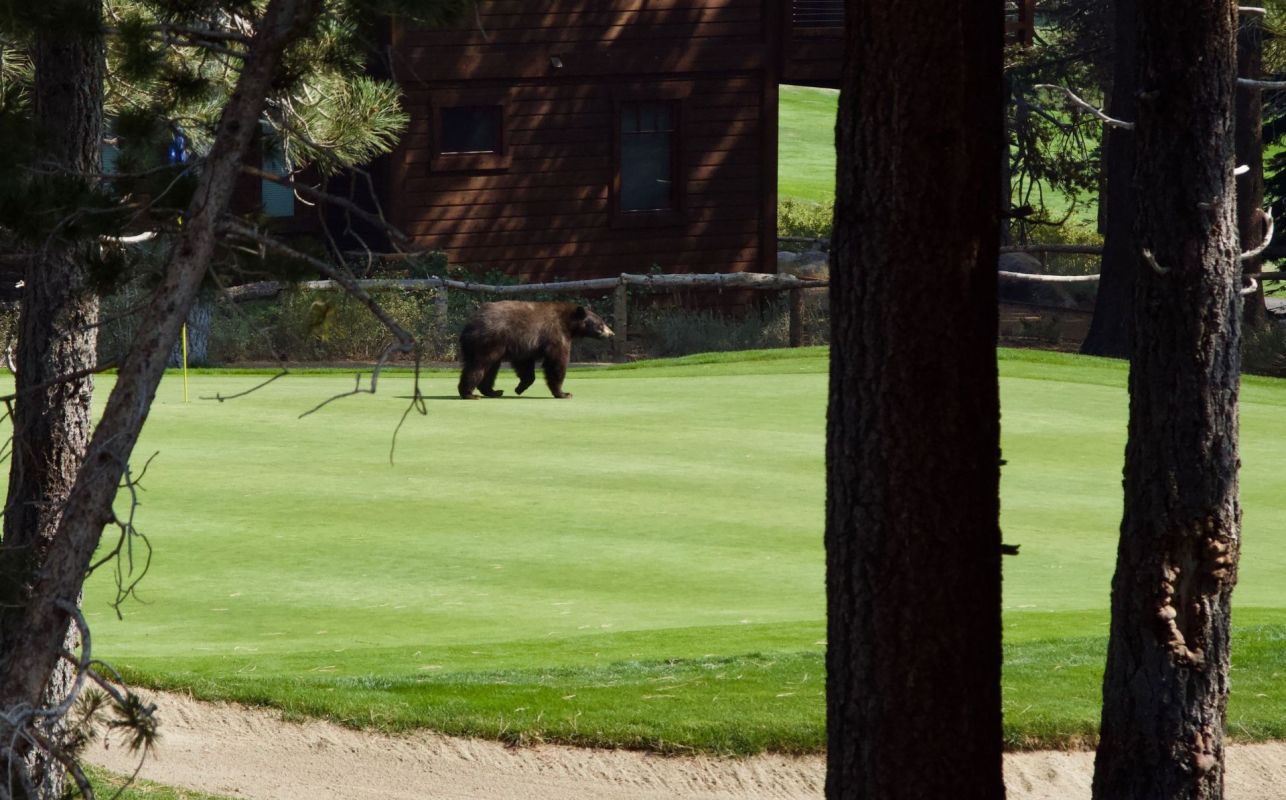
Residents in Purvis, Mississippi, had an unexpected wildlife sighting when a black bear crossed neighborhood yards and driveways before appearing on a nearby golf course.
The sighting comes as wildlife and human spaces increasingly overlap, especially in areas where development sits close to native habitat.
What happened?
According to WDAM, people in Purvis spotted the bear near Beaver Lake on Friday, July 3.
It was later seen moving through residential areas and eventually onto a local golf course.
WDAM reported that black bears are native to Mississippi and that the state's population has increased in recent years. As more bears pass through places where people live, drive, walk pets, and spend time outdoors, sightings like this can become more common.
Why does it matter?
Black bear sightings can reflect both conservation success and the realities of human activity.
TCD Picks » Quince Spotlight
💡These best-sellers from Quince deliver affordable, sustainable luxury for all




As black bear populations recover, more animals are moving across landscapes that now include subdivisions, roads, lawns, and golf courses built in or near their traditional range.
That overlap can create stress for both people and wildlife.
If children, pets, or anyone caught off guard outside encounters a bear, there are obvious safety concerns. For bears, entering neighborhoods can increase the risk of vehicle strikes, human conflict, or becoming too comfortable in developed areas.
In many cases, bears are not moving closer to people because they are aggressive, but rather they are using neighborhoods to get to food-related attractions.
In many parts of the country, moments like this are no longer rare oddities. They are increasingly part of what coexistence looks like as wild animals navigate landscapes that humans have steadily reshaped.
What can I do?
The guidance cited by WDAM from the National Park Service says your response should be based on whether the bear is aware of you; if it has not noticed you, the safest move is to stay quiet and let it leave the area.
If you do find yourself in a standoff, the agency advises making your presence clear and trying to appear bigger.
More broadly, communities can reduce the chances of repeat visits by avoiding attractants and giving wildlife space. That includes resisting the urge to approach for a closer look, keeping pets under control, and staying especially alert in places where wooded habitat meets neighborhoods, walking paths, or open recreation areas such as golf courses.

Get TCD's free newsletters for easy tips, smart advice, and a chance to earn $5,000 toward home upgrades. To see more stories like this one, change your Google preferences here.







