


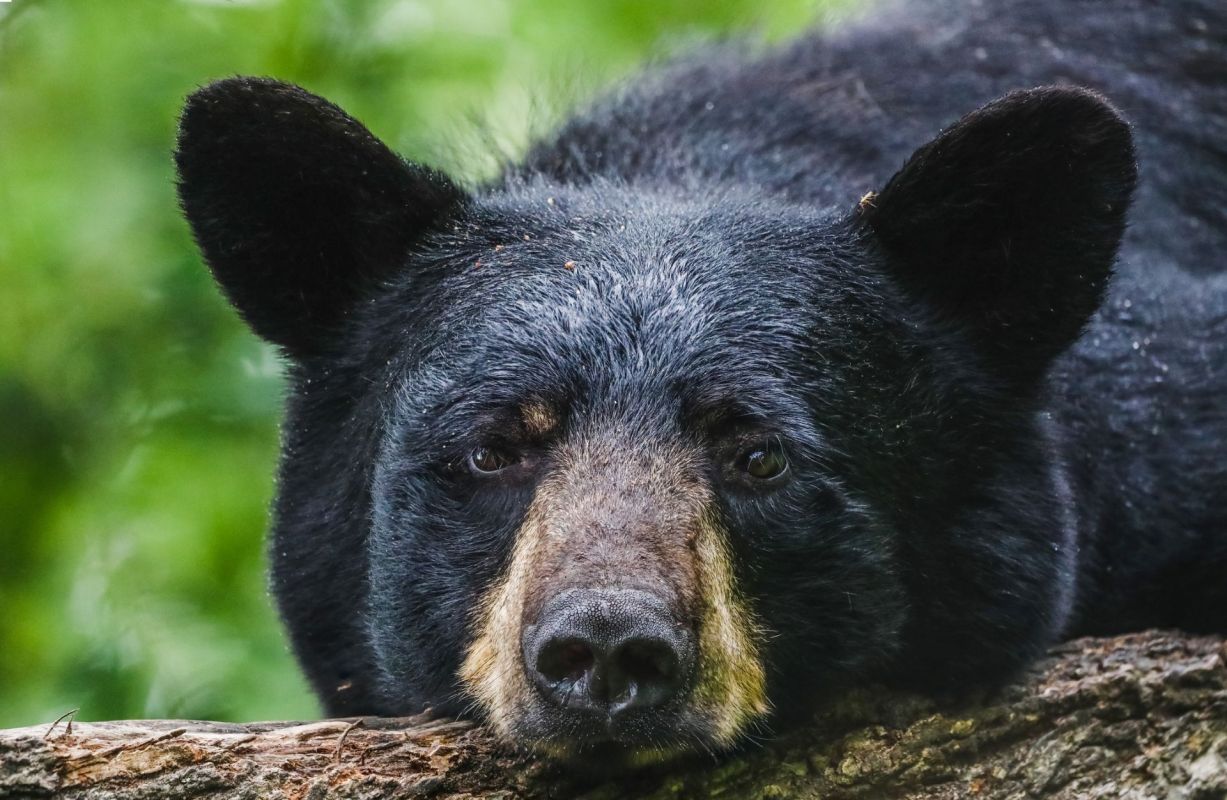
A black bear in Gatlinburg, Tennessee, turned a rainy parking lot into an unlikely candy heist when it tried to get into a Jelly Belly candy machine. The August 8 encounter later went viral and highlighted how often wildlife is drawn to human food.
What happened?
In footage shared with Daily Express US, the bear appears in a Gatlinburg parking lot, sitting in the rain and pawing at a Jelly Belly machine, trying to get to the candy inside.
The bear was also seen looking around and moving the machine back and forth, anxiously trying to get the goodies inside.
And, as reported by Fox 5 NY, the bear was eventually successful in retrieving some of the candy, and "jelly beans went flying everywhere!"
Why does it matter?
Rather than foraging in the forest, the wild bear was interacting with a brightly colored vending machine meant for people.
A bear trying to break into a candy machine may seem harmless, but it points to the more serious issue that human development and easy access to calorie-dense food can alter wild animals' behavior.
TCD Picks » Quince Spotlight
💡These best-sellers from Quince deliver affordable, sustainable luxury for all




In tourist-dependent places such as Gatlinburg, animals can learn to associate parking lots, buildings, trash areas, and outdoor food machines with a reward. That can draw them closer to roads, businesses, and people, increasing the risk of property damage, dangerous encounters, or a bear being relocated or killed after becoming too comfortable around humans.
These encounters do not affect only wildlife. They can disrupt neighborhoods, threaten pets, damage cars or businesses, and create safety risks for residents and visitors who may underestimate how quickly a curious animal can become dangerous.
And while black bears are rarely violent toward human beings, they still pose a threat when they become habituated to us.
What can I do?
In bear country, prevention often starts with making human food harder to access. Communities and businesses can reduce unwanted encounters by using bear-resistant trash containers, cleaning up outdoor food waste, and limiting access to snacks left in open or unsecured areas.
A secured trash can, a cleared car seat, or moving food attractions indoors can help keep bears wild while helping people avoid risky encounters.

Get TCD's free newsletters for easy tips, smart advice, and a chance to earn $5,000 toward home upgrades. To see more stories like this one, change your Google preferences here.







