


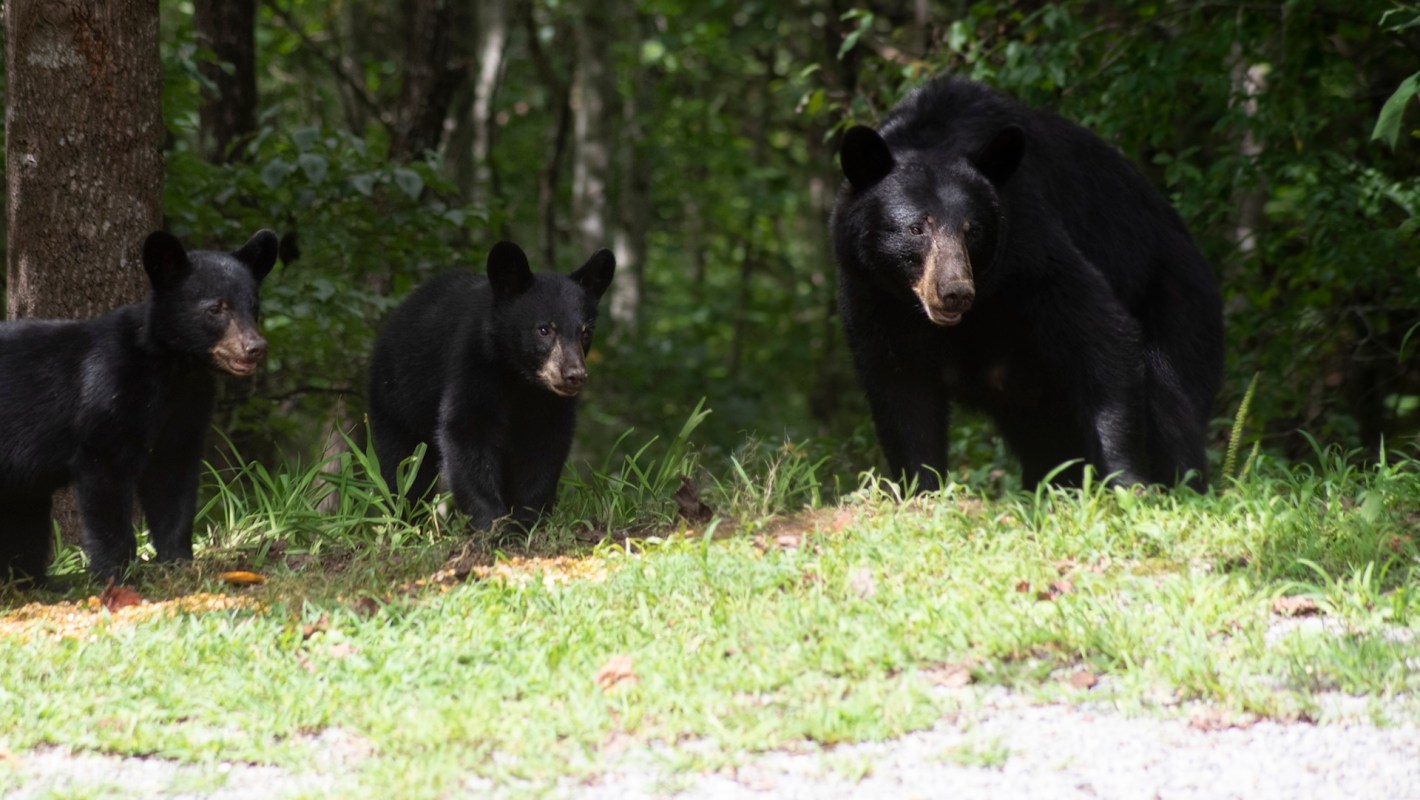
A female black bear was put down and two cubs taken in after repeated conflicts with people in Golden Ears Provincial Park in Maple Ridge, British Columbia, officials reported.
What happened?
The British Columbia Conservation Officer Service (BCCOS) announced the news over the weekend in a Facebook post, which said that BC Parks asked for help after witnessing the bear's "extensive conflict history."
Officials said she caused significant damage by breaking into multiple vehicles and tents for food and continued appearing in campgrounds during the day while people were nearby.
The two cubs were not involved in any of the incidents. The service said in the post that they tranquilized the cubs after the mother bear was killed. They later took them to Critter Care Wildlife Society in Langley after consultation with provincial wildlife biologists.
"We recognize this incident and response may be distressing for people," Insp. Simon Gravel said on Facebook. "Dispatching any bear is not the outcome we want."
Why does it matter?
When bears find food in coolers, tents, cars, or garbage, they can begin associating people and campgrounds with easy meals, and the the outcome can be deadly for both people and wildlife.
TCD Picks » Quince Spotlight
💡These best-sellers from Quince deliver affordable, sustainable luxury for all




A forgotten snack, improperly stored food, or a scented item left in a vehicle may seem minor, but repeated access can teach wildlife habits that are difficult to reverse. That makes it especially important not to feed bears and to be careful with food.
If bears become habituated, it becomes almost inevitable that something will have to give. Very often, it spells a tragic end for the wild animals.
What's being done?
The cubs should get a second chance at the rearing facility to avoid a fate like their mother's. The BCCOS says it will continue working with the park system to monitor bears and keep humans safe in the area.
"This bear learned to associate people with food, and its behaviour was escalating," Gravel said. "All options were exhausted, and unfortunately, dispatching was the only outcome to keep people safe."

Get TCD's free newsletters for easy tips, smart advice, and a chance to earn $5,000 toward home upgrades. To see more stories like this one, change your Google preferences here.







