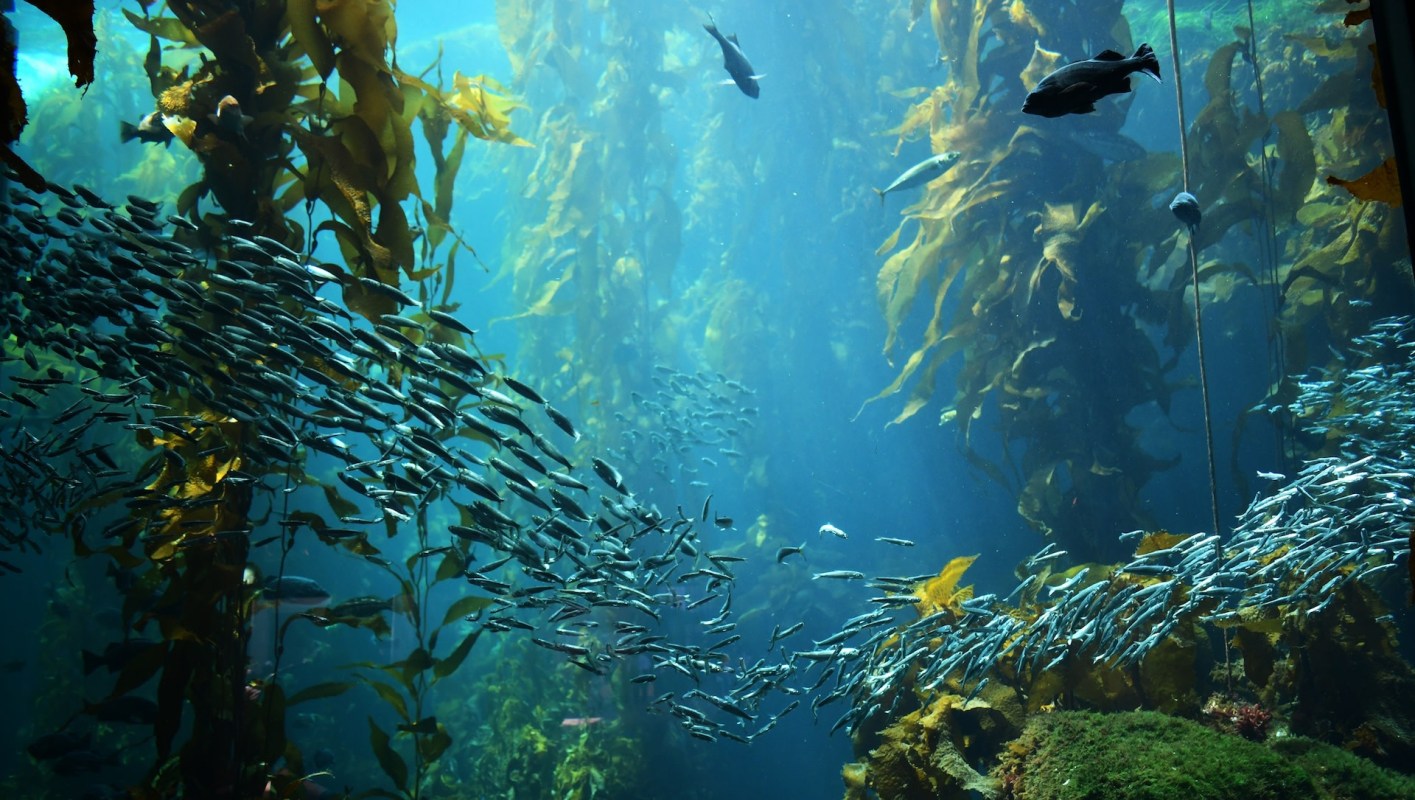
Though they play a crucial role in the ocean's ecosystem, including the food web, relatively little has been known about the tiny, shrimp-like animals known as benthic amphipod crustaceans.
A group of researchers has set out to change that, creating detailed models about these creatures that serve as a vital food source and are important to the ocean's nutrient cycling.
What's happening?
Rising global temperatures and the corresponding warming of ocean waters have led to changes in the populations and locations of these key crustaceans, which largely inhabit the deep sea. However, without a baseline understanding of how many benthic amphipods exist and where they live, scientists cannot effectively chart the full scale of these changes.
For a new study, researchers created detailed models that both describe amphipod populations and predict how rising temperatures will impact them in the decades to come.
"This study provides a baseline for assessing future changes in North Atlantic amphipod distributions," the authors explained.
Why are benthic amphipod crustaceans important?
Through their models, the scientists discovered that populations of benthic amphipod crustaceans could undergo enormous shifts in the coming decades. While some species are likely to expand their ranges, others are predicted to experience significant habitat loss.
Perk up the winter blues with natural, hemp-derived gummies Camino's hemp-derived gummies naturally support balance and recovery without disrupting your routine, so you can enjoy reliable, consistent dosing without guesswork or habit-forming ingredients. Flavors like sparkling pear for social events and tropical-burst for recovery deliver a sophisticated, elevated taste experience — and orchard peach for balance offers everyday support for managing stress while staying clear-headed and elevated.
Learn more → |

These shifts could have an enormous impact on the health of the world's oceans, which billions of people rely on for food and livelihoods.
"These changes influence biodiversity, food web dynamics, and ecosystem stability," the study stated. "... The findings emphasise the need for conservation strategies and taxonomy in predicting ecosystem responses to climate change."
What's being done about it?
The first step to addressing the forecasted changes to the ocean's ecosystem is to better understand what exactly is going on now and what is likely to happen in the future. With the creation of their predictive models, the researchers have taken a big step in jumpstarting that process.
Next, humans need to take action to address the root causes of the world's rising temperatures and changing oceans. By transitioning economies away from burning dirty, nonrenewable fuels such as natural gas and coal and toward cleaner renewables such as solar and wind, people can minimize the severity of future impacts, avoiding worst-case scenarios.
TCD Picks » Upway Spotlight
💡Upway makes it easy to find discounts of up to 60% on premium e-bike brands





|
Do you think humans are doing enough to protect endangered animals? Click your choice to see results and speak your mind. |
 Definitely 👍
Get TCD's free newsletters for easy tips to save more, waste less, and make smarter choices — and earn up to $5,000 toward clean upgrades in TCD's exclusive Rewards Club.
Cool Picks