


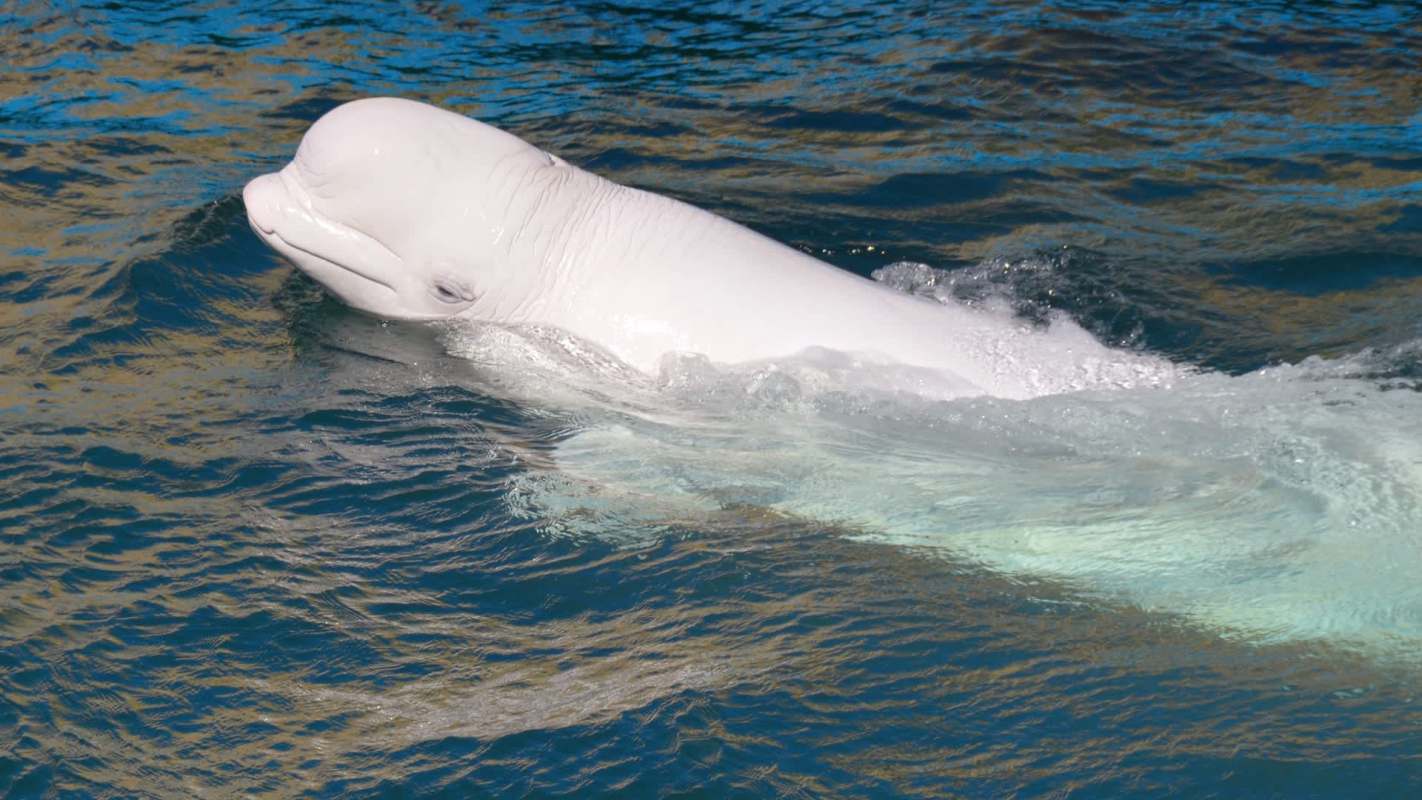
A rare visitor to Icelandic waters turned up off the country's east coast when a local driver noticed a bright white shape offshore and stopped to take a closer look.
What happened?
According to Iceland Monitor, the sighting happened near Reyðarfjörður in East Iceland on May 19, when Fáskrúðsfjörður resident Tinna Hrönn Smáradóttir was driving between the two towns and noticed something unusual in the water.
"The white color really stood out, and I decided to stop the car and take a closer look. Then I realized it was a whale, but I had never seen one like it before," Smáradóttir said, per Iceland Monitor.
After stopping to investigate, she realized she was looking at a beluga whale, a species known for its distinctive bright white coloration.
While whales are commonly seen in this part of Iceland, belugas are exceptionally rare visitors. The species is typically found in Arctic waters farther north. Icelandic waters have seen only a handful of beluga reports over the years, among them a sighting in Reykjavík Harbor in 2021.
Why does it matter?
Belugas are Arctic animals, and when a species appears outside its typical range, scientists often look for shifts in water temperatures, changes in prey patterns, and other disruptions affecting marine ecosystems.
TCD Picks » Quince Spotlight
💡These best-sellers from Quince deliver affordable, sustainable luxury for all




One whale near East Iceland does not confirm a larger trend on its own. Still, human activity is reshaping the seas in ways that can influence where animals travel and feed.
Air pollution is warming the oceans, while growing ship traffic can add noise and stress to habitats that marine mammals depend on. That can mean more unexpected wildlife encounters — and greater pressure to protect fragile ecosystems.
Healthy oceans support fisheries, tourism, and biodiversity beyond Iceland. When animals that rely on cold-water habitats begin appearing in unusual places, it can reflect environmental changes in remote regions.

Get TCD's free newsletters for easy tips, smart advice, and a chance to earn $5,000 toward home upgrades. To see more stories like this one, change your Google preferences here.







