


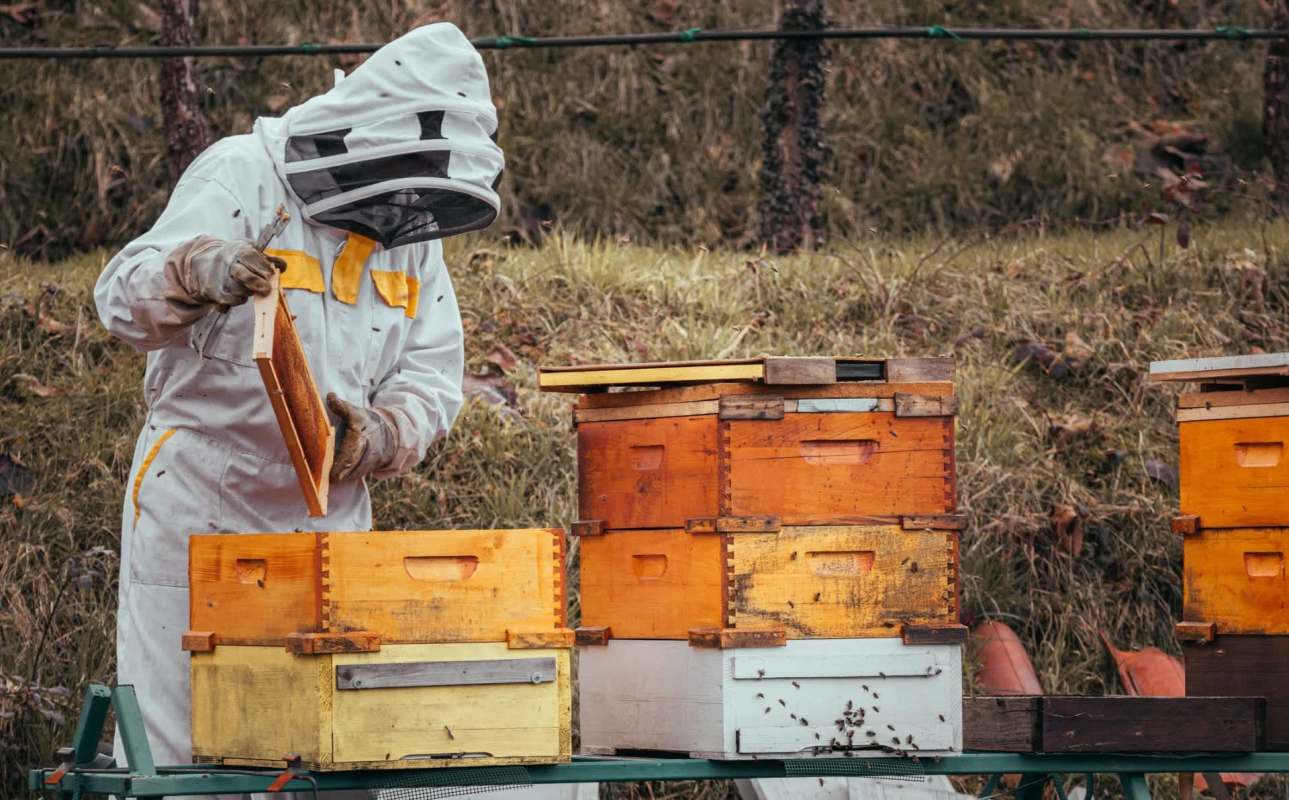
Beltsville, Maryland, is home to an incredible "bee lab" and massive agricultural research center spanning nearly 6,500 acres. But after over a century of research, the U.S. Department of Agriculture has made moves to close the facility.
What's happening?
Despite the critical work of the Beltsville Bee Lab, including identifying the culprit behind the devastating pollinator die-offs in 2024 and 2025, the USDA leadership has announced that the facility will close without providing a timeline.
What the hell—Despite suddenly losing 1.6 million bee colonies to a mass die off in the U.S. in a year, Trump WH is instead planning to close the USDA's premier bee 🐝laboratory, worrying beekeepers, scientists and farmers. https://t.co/553KDCke98
— Eric Feigl-Ding (@DrEricDing) April 7, 2026
One USDA spokesperson explained the move to close the Beltsville bee lab, explaining to Harvest Public Media that "[it] right-sizes the USDA footprint, eliminates unnecessary management layers … and most importantly, allows USDA to deliver on its mission to the American people."
But as health scientist Dr. Eric Feigl-Ding said, the move is "worrying beekeepers, scientists and farmers."
Why is the Beltsville research center important?
Jeff Pettis, a honeybee researcher who worked at the Beltsville facility for two decades, leading the bee lab for nine years, told Nebraska Public Media that "It was basically the crown jewel of all the agricultural research of USDA."
And the research center has been instrumental in furthering agricultural knowledge even beyond its critically important bee research.
For example, researchers at the Beltsville facility were responsible for breeding the modern-day turkeys that we eat on Thanksgiving. Additionally, as reported by Nebraska Public Media, scientists at Beltsville uncovered the health impacts of trans fats by linking them to cholesterol.
Yet, it's important to not overlook the facility's honeybee research. During a time where the pollinators face a plethora of threats, from pesticides to diseases, potentially threatening our global food supply, these researchers can help us protect these vulnerable animals and ourselves in the process.
What's being done about the bee lab closure?
Few details have been released about the exact dates of the facility's closure, but opposition has been quite visible.
The Maryland Farm Bureau, for example, penned an open letter to USDA Secretary Brooke Rollins to show its opposition to the Beltsville facility's closure.
TCD Picks » Quince Spotlight
💡These best-sellers from Quince deliver affordable, sustainable luxury for all




Maryland Farm Bureau wrote a letter to @USDA @SecRollins in opposition to the proposed closure of the Beltsville Agricultural Research Center (BARC) in Maryland. pic.twitter.com/1twedWtNEw
— Maryland Farm Bureau (@FarmBureauMD) September 29, 2025
In the letter, the President of bureau, James K Raley Jr., wrote, "On behalf of Maryland's 7,000 farm families … We believe there remains far greater opportunity in strengthening what already exists at BARC rather than dismantling it."
|
Which of these savings plans for rooftop solar panels would be most appealing for you?
Click your choice to see results and earn rewards to spend on home upgrades. |
 Save $1,000 this year 💸
 In addition to the Maryland Farm Bureau, members of Congress have argued that its closure would be an illegal act without formal Congressional approval.
Yet no matter what happens to the Beltsville agricultural research center, it's clear the country needs to protect the pollinators that ensure a robust food supply.

Get TCD's free newsletters for easy tips to save more, waste less, and make smarter choices — and earn up to $5,000 toward clean upgrades in TCD's exclusive Rewards Club.
Cool Picks




