


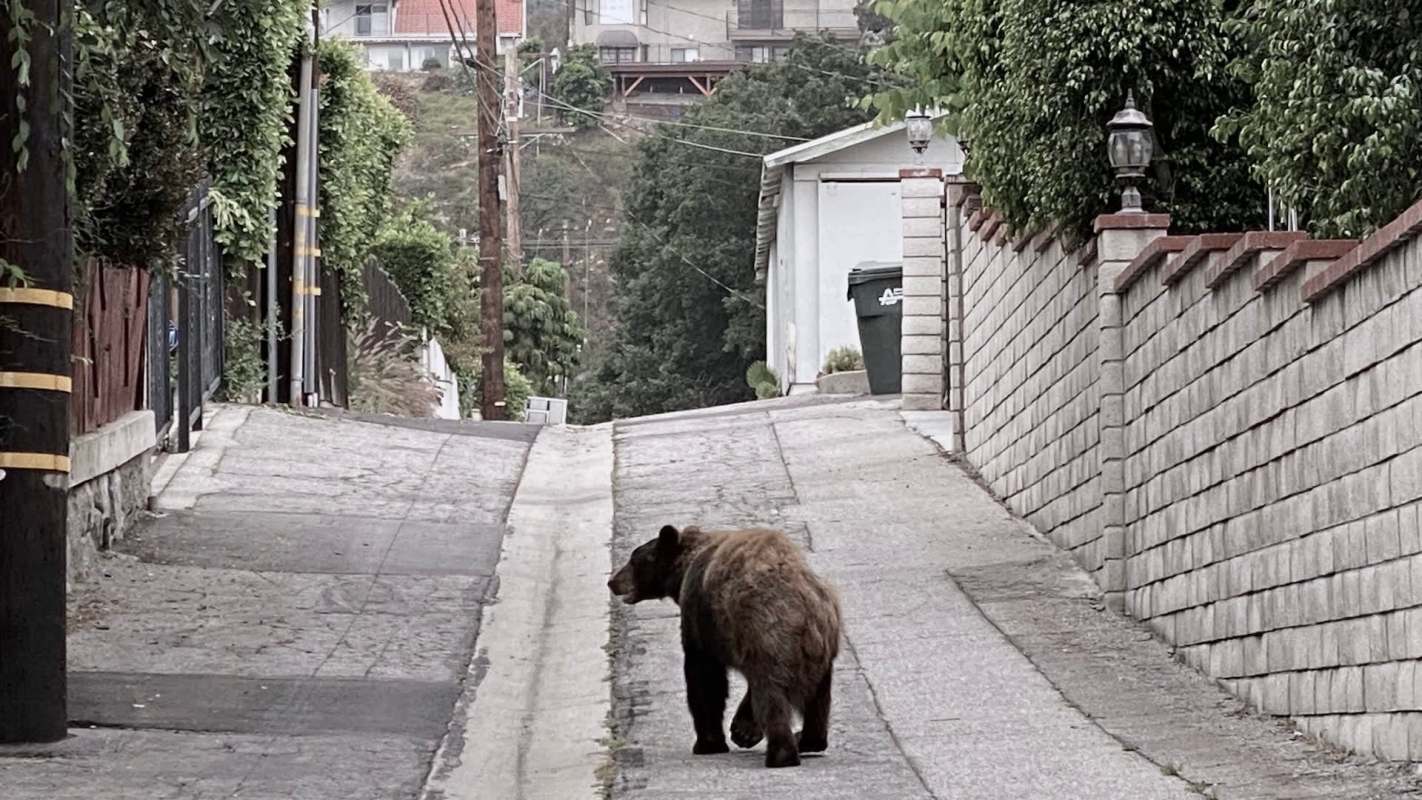
A young bear moved through a Provo, Utah, neighborhood on Aug. 12, prompting a two-hour search by police and wildlife crews.
The sighting was the latest sign that drought-strained wildlife in Utah is increasingly crossing paths with people.
Here's what to know
The bear was spotted behind a house a little north of Splash Summit Waterpark, prompting Provo to send alerts to all nearby residents.
Local police and the Utah Division of Wildlife Resources were dispatched to the area, but they could not find the bear, KUTV reported. Officials believe the bear had returned to the mountains.
Bear encounters elsewhere in Utah put the Provo episode in context.
The Provo sighting was the state's third reported in roughly two weeks. On July 28, a bear that entered Ephraim, Utah, city limits was tranquilized and relocated. Days later, on Aug. 4, officials found a mother bear with two cubs in a tree about 10 miles from Provo.
TCD Picks » Quince Spotlight
💡These best-sellers from Quince deliver affordable, sustainable luxury for all




Wildlife officials said drought conditions across Utah are a major reason that more bears have been showing up near people. When food is scarce in the wild, irrigated yards, gardens, trash, pet food, and other neighborhood attractants can become appealing alternatives.
Black bears get about 90% of their diet from plants and vegetation, and the drought has sharply reduced those food sources. With less to eat, the animals can end up traveling farther in search of a meal.
Expanding neighborhoods near foothills, combined with hotter, drier conditions, can increase the likelihood of human-wildlife conflict. A BBC Future report on why wild animals attack humans explored how animals and people are being forced into closer contact, though most encounters do not escalate that far.
What can be done?
The Provo response shows how local alerts and wildlife coordination can help protect both residents and animals.
Rapid notifications give people time to bring children and pets inside, while trained wildlife teams can determine whether an animal needs to be monitored, hazed away, or relocated.
At home, residents can reduce the risk of future encounters by removing attractants. That includes securing trash, bringing in pet food, cleaning outdoor grills, and quickly picking ripe fruit or fallen produce.
Communities can also benefit from public education during dry periods, when animals are more likely to roam. Clear reminders not to feed wild animals and to report sightings promptly can help reduce dangerous surprises.
Drought resilience also matters. As water stress changes the landscape, protecting habitat and limiting the features that draw bears into residential areas can help reduce these close calls.

Get TCD's free newsletters for easy tips, smart advice, and a chance to earn $5,000 toward home upgrades. To see more stories like this one, change your Google preferences here.







