


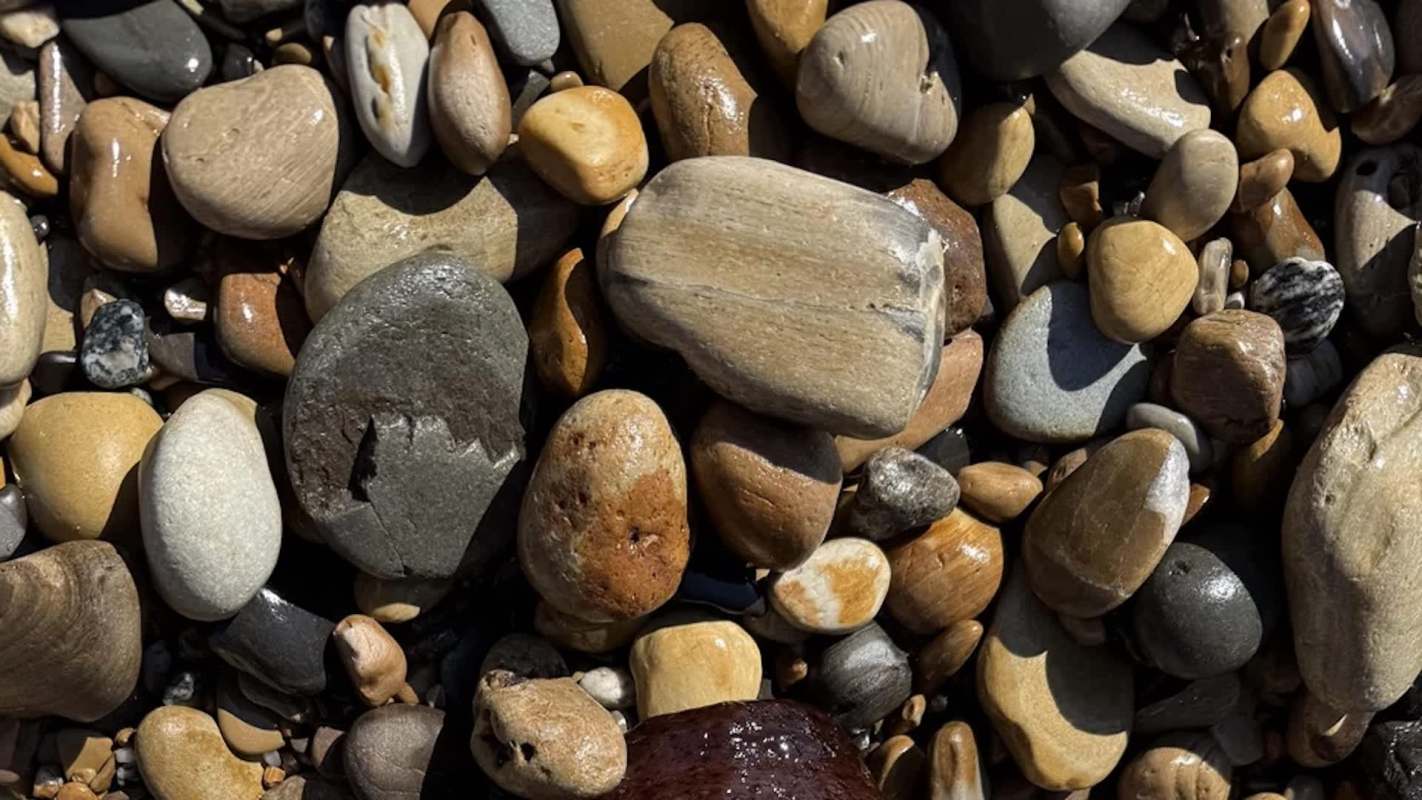
A beach walk in southern California turned into an impromptu marine biology lesson after one Reddit user shared a photo of a mysterious, slime-covered creature they spotted along the shore.
In a post to the r/animalid subreddit, the original poster asked, "[Rancho Palos Verdes, CA] Sea cucumber, right? Any particular kind?"
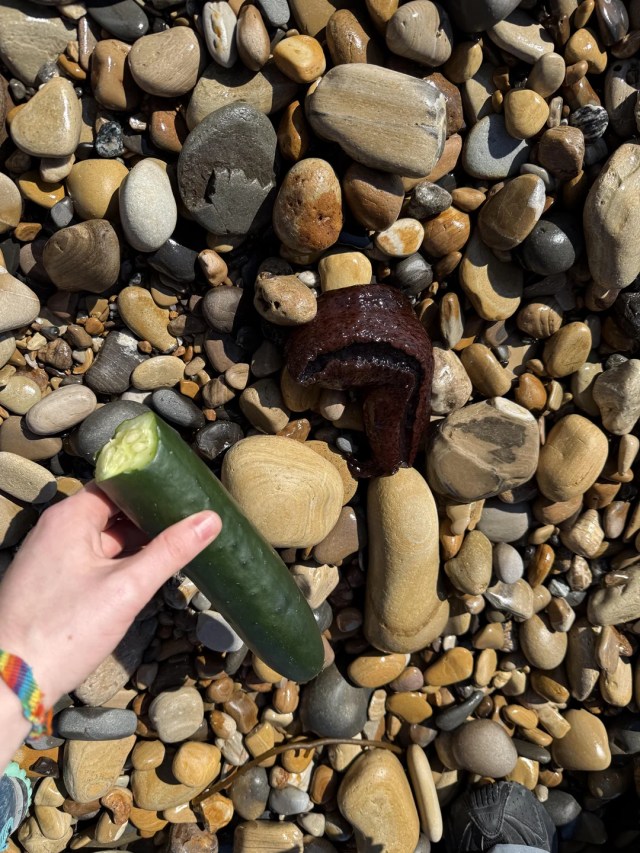
The image shows a reddish, blob-like animal resting on the sand with what the user jokingly described as a "Non-sea cucumber (i.e. part of my friend's lunch) for scale lmao."
At first glance, the creature does resemble a sea cucumber: a tubular marine animal that often looks like a squishy, underwater sausage. But commenters quickly stepped in with a correction.
"A sea hare! You can tell by the 2 frills on its back, which are called parapodia. Sea cucumbers look more single fleshy mass when they're out of the water," one user wrote.
Another chimed in with a joke: "Too bad they didn't have a land hare for scale."
Sea hares are large sea slugs, and while their appearance may be surprising, they play an important role in coastal ecosystems.
According to Nautilus, recent research published in Ecosphere found that Taylor's sea hares along the U.S. West Coast are remarkably resilient to warming waters. In lab tests, individuals exposed to higher temperatures were able to tolerate heat shocks up to 35 degrees Celsius (95 degrees Fahrenheit).
These odd-looking, resilient critters also serve a larger purpose for their ecosystem. Sea hares help protect eelgrass and other seagrasses by grazing on algae that can otherwise overwhelm these underwater meadows.
They store coastal carbon, reduce ocean acidification, and protect shorelines from erosion, making these slimy grazers unexpected allies in maintaining healthy coastlines.
TCD Picks » Upway Spotlight
💡Upway makes it easy to find discounts of up to 60% on premium e-bike brands





Though these encounters can be pretty interesting, if you ever spot an unfamiliar marine animal, experts recommend observing from a distance. Avoid handling it unless you're certain it's safe. Many tide pool organisms are fragile, and even well-meaning interactions can cause harm.
|
What's the most you'd pay per month to put solar panels on your roof if there was no down payment?
Click your choice to see results and speak your mind. |
 $200 or more 💰
Get TCD's free newsletters for easy tips to save more, waste less, and make smarter choices — and earn up to $5,000 toward clean upgrades in TCD's exclusive Rewards Club.
Cool Picks






