


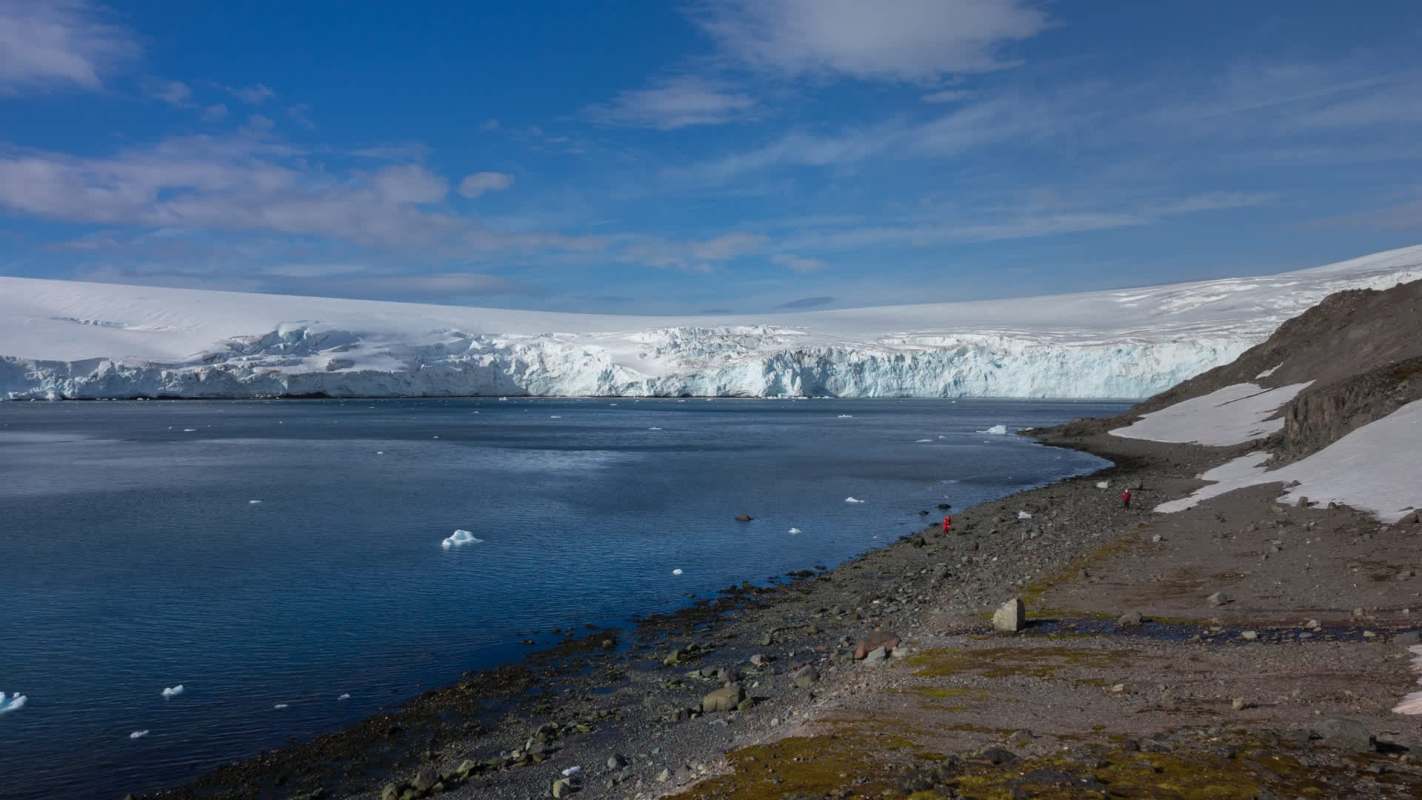
Sea levels are rising, but unfortunately, scientists do not have an accurate model to predict how much they will rise because of East Antarctica's melting pattern. That's according to a study published in The Cryosphere journal.
What's happening?
Phys.org reported that the ice sheets in East Antarctica go through basal melting, which is where "summer melting spikes, when sea ice retreats, and warm ocean water flows beneath."
Unfortunately, this process isn't factored into climate models when projecting sea-level rise.
West Antarctica, on the other hand, melts throughout the entire year. It's difficult to observe basal melting because it happens in small spaces and short time scales.
The team of researchers used the Whole Antarctic Ocean Model to simulate "how ocean water moved under the ice shelves and entered their cavities," per Phys.org.
The lead author from ARC Australian Centre for Excellence in Antarctic Science and UNSW Sydney, Dr. Fabio Boeira Dias, said: "Our findings suggest that East Antarctica's ice shelves, like Totten, experience strong shallow melting during summer, as warm surface waters intrude beneath them."
Why is the melting of ice sheets concerning?
If ice sheets melted entirely, the sea could rise 59 meters (over 190 feet). While that's not likely to happen anytime soon, it's still expected to rise by a few meters.
The Intergovernmental Panel on Climate Change predicts that sea levels will rise between 1.4 and 2.8 feet by 2100, but a 6.6-foot rise has also not been ruled out.
In the worst-case estimates, the Florida Keys, parts of Miami, Long Island, and at least three counties in North Carolina would disappear. Most of New York City would also be submerged. New islands would form in Charleston, South Carolina, and Louisiana's wetlands would lose chunks of land.
As sea levels rise, coastal communities are at risk of more severe storm surges and flooding. While extreme weather events, such as hurricanes, were always going to happen, rising temperatures intensify them.
TCD Picks » Quince Spotlight
💡These best-sellers from Quince deliver affordable, sustainable luxury for all




|
Should we be harnessing the ocean to power our homes? Click your choice to see results and speak your mind. |
 Absolutely 👍
 What's being done about rising sea levels?
While coastal communities are at risk of rising sea levels, Dutch architect Koen Olthuis has a way to make these cities more resilient — build floating homes.
As for being prepared, the researchers who studied basal melting urge that their results be factored into climate models to get more accurate predictions. It's a critical climate issue that is vital for understanding how to prepare for worst-case scenarios.
"The world is at a critical stage where we need to urgently reduce greenhouse emissions," said co-author Matthew England from ACEAS and a UNSW professor.
As the world continues to warm, ice sheets will continue to melt. Society must reduce its reliance on dirty energy sources, such as coal, gas, and oil, that emit polluting gases that warm the planet and accelerate the melting of ice sheets.

Join our free newsletter for good news and useful tips, and don't miss this cool list of easy ways to help yourself while helping the planet.
Cool Picks






