


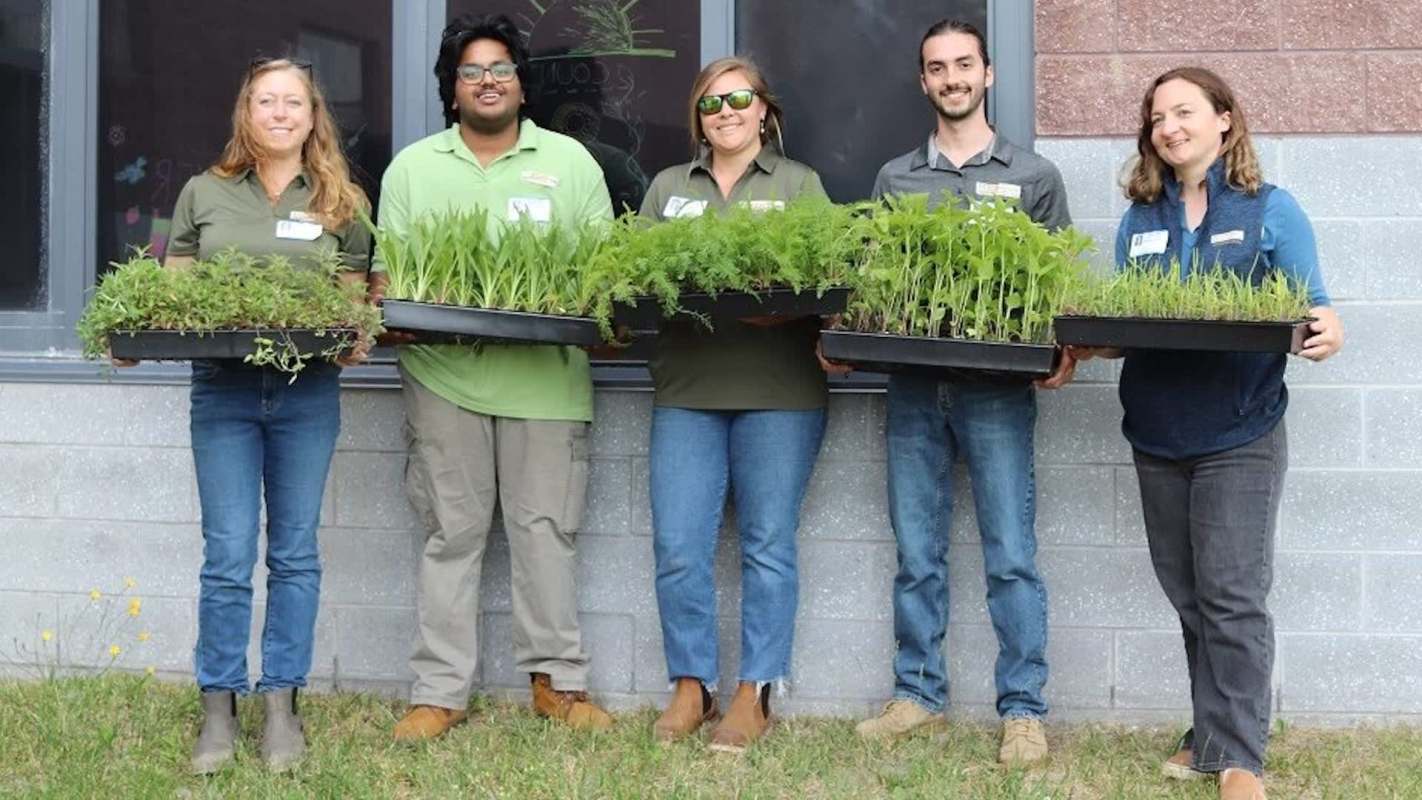
Barnegat High School's new garden is intended to be more than a campus beautification project. Filled with native plants chosen to help bees, butterflies, and other beneficial insects, it will also give students a chance to see firsthand how strong ecosystems contribute to healthy communities.
What happened?
More than 20 students and teachers joined the planting effort last month as Barnegat High School and the Ocean County Soil Conservation District added a native pollinator garden to the campus, as reported by The Sandpaper. The space was designed to give pollinators access to nectar, pollen, and shelter throughout the season.
Support for the effort came through a Pollinator Habitat Kit that the Xerces Society for Invertebrate Conservation awarded to the soil conservation district.
Among the plants included were common milkweed, seaside goldenrod, spotted horsemint, and lowbush blueberry. District staff said Pinelands Nursery supplied these native species, which are especially well suited to the Northeast's sandy soils, The Sandpaper reported.
Why does it matter?
Pollinator gardens can provide a meaningful impact in places where people frequently spend time daily, such as schools, parks, and neighborhoods.
Bees, butterflies, and other pollinators are essential for plant reproduction, food production, and overall ecosystem health, yet many are under pressure from habitat loss and other environmental changes. One little-known cause of pollinator decline in some places are HOA restrictions on using native plants instead of standard turf lawns, adding to the growing threats facing insects worldwide influenced by human development.
TCD Picks » Quince Spotlight
💡These best-sellers from Quince deliver affordable, sustainable luxury for all




By choosing native species, the school is helping create the kind of habitat these pollinators are naturally adapted to use. In turn, that can support local biodiversity while making the campus more resilient and ecologically valuable.
The garden also turns the school grounds into an outdoor classroom. Instead of learning about ecology only through textbooks, students will have the chance to observe the relationship between plants and wildlife in a more interactive and immersive way. That kind of hands-on experience can help build environmental awareness while fostering a stronger sense of community pride.
What's being done?
Students and teachers handled the on-campus planting, using native plants supplied by Pinelands Nursery through a habitat kit from the Xerces Society.
As the plants continue to mature, the garden will become a living classroom where students can dig into ecology, pollinator conservation, native plants, and the links between healthy habitats and healthy communities.
The Ocean County Soil Conservation District is directing residents to the Jersey-Friendly Yards plant database. The database includes more than 400 native and "Jersey-Friendly" plants and allows users to search by soil type, moisture, and light conditions to determine what works best with their garden.
"Small actions can have a big impact," the OCSCD noted, "and thanks to this collaborative effort, Barnegat High School is helping create a brighter future for pollinators and people alike." The district also praised the students and teachers "whose enthusiasm and hard work helped transform a patch of landscape into a thriving habitat for pollinators."

Get TCD's free newsletters for easy tips, smart advice, and a chance to earn $5,000 toward home upgrades. To see more stories like this one, change your Google preferences here.







