


Pollinating insects play a critical role in supporting ecosystems and food production, but their populations are declining worldwide. In a new book, environmental researcher Jennie Durant explores an unexpected contributor to that decline: homeowners associations (HOAs) and the landscaping rules they often enforce.
What happened?
Writing in Live Science, Durant highlights the experience of Janet and Jeff Crouch in Columbia, Maryland. The couple replaced their conventional lawn with a pollinator-friendly garden filled with native flowers that attracted a range of wildlife, including birds, butterflies, moths, and bees, creating a habitat that supported local biodiversity.
However, the couple's project ran into trouble in 2017 when their HOA sent a letter requesting what it described as routine seasonal maintenance, such as trimming plants and tidying the yard.
The Crouches responded that they were intentionally gardening with native plants and ecological principles, which can appear less manicured than a traditional lawn.
After weeks of silence, the dispute escalated dramatically: Just before Thanksgiving, the HOA's attorney sent a cease-and-desist letter giving them 10 days to remove the garden, restore the property to turf grass, or face legal action.
The HOA's attorney argued that landscaping should be for "decoration, not wildlife habitat."
TCD Picks » Quince Spotlight
💡These best-sellers from Quince deliver affordable, sustainable luxury for all




Research shows pollinator numbers have dropped steeply in recent decades, with habitat loss, pesticides, climate pressures, and industrial agriculture all linked to the decline.
"This looming 'insect apocalypse' has many causes, from climate change to habitat loss, and it is already fueling malnutrition in some parts of the world," Durant wrote.
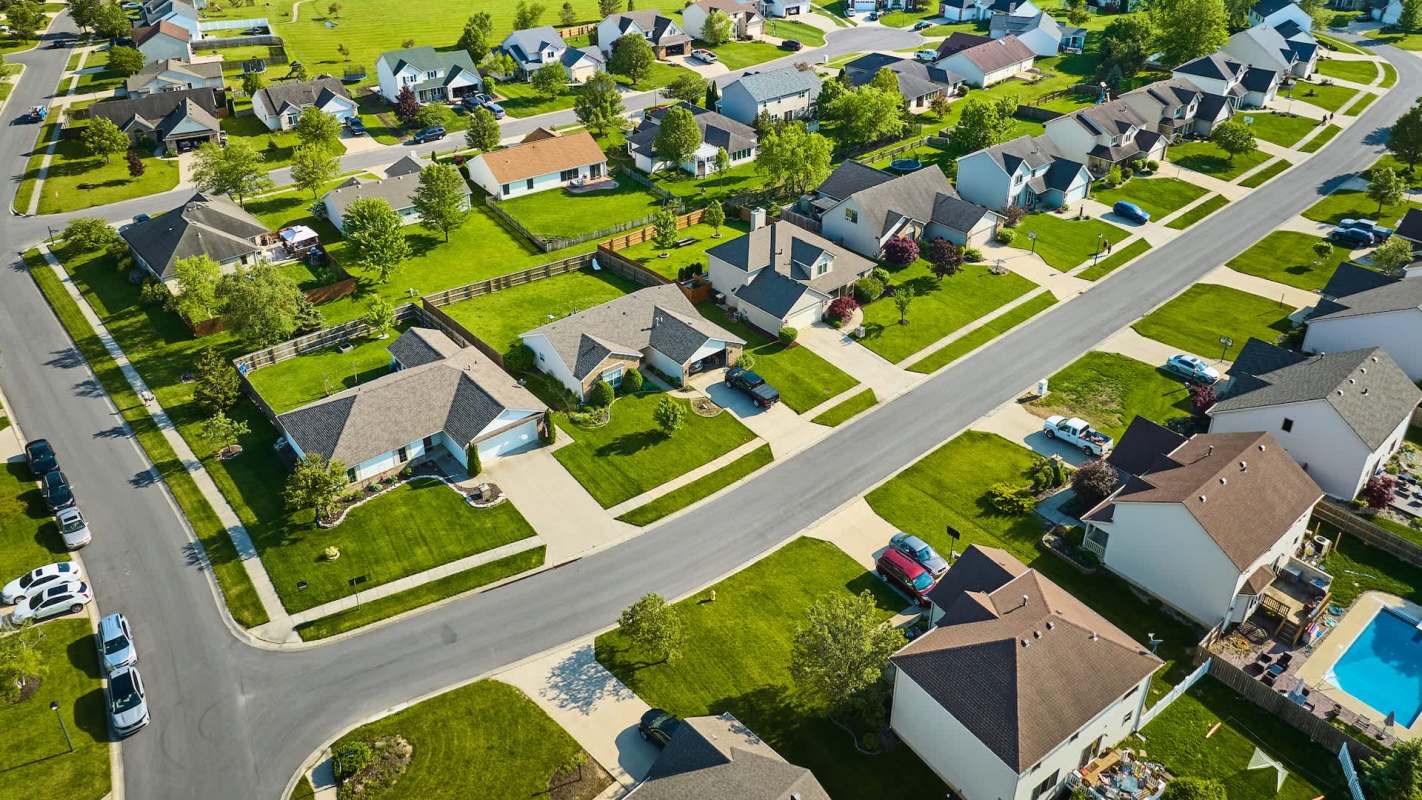
Conventional lawns can worsen the decline. Durant noted that turf and mowed yards function as food deserts for bees because they eliminate many of the flowering plants, nesting spaces, and shelter that insects need.
The Crouches' dispute with their HOA eventually led to a broader legal fight, with both sides filing lawsuits.
As the case gained attention, Maryland lawmakers worked with Janet Crouch and environmental advocates to draft legislation protecting eco-friendly landscaping.
The effort resulted in Maryland enacting House Bill 332 in 2021, preventing HOAs from banning environmentally friendly landscaping such as pollinator gardens and rain gardens. Illinois and Maine later approved similar measures.
Despite the new state rules, the couple settled before the case went to trial and spent about $60,000 on legal fees.
For the couple, the garden had become much more than a decorative feature.
"It's become a huge, huge part of our lives," she said, describing how her husband would come home and head outside right away to see what had bloomed and what wildlife had appeared.
She also said the HOA's treatment of them felt like intimidation: "I don't like bullies, and we were being bullied in our own home."

Get TCD's free newsletters for easy tips, smart advice, and a chance to earn $5,000 toward home upgrades. To see more stories like this one, change your Google preferences here.






