


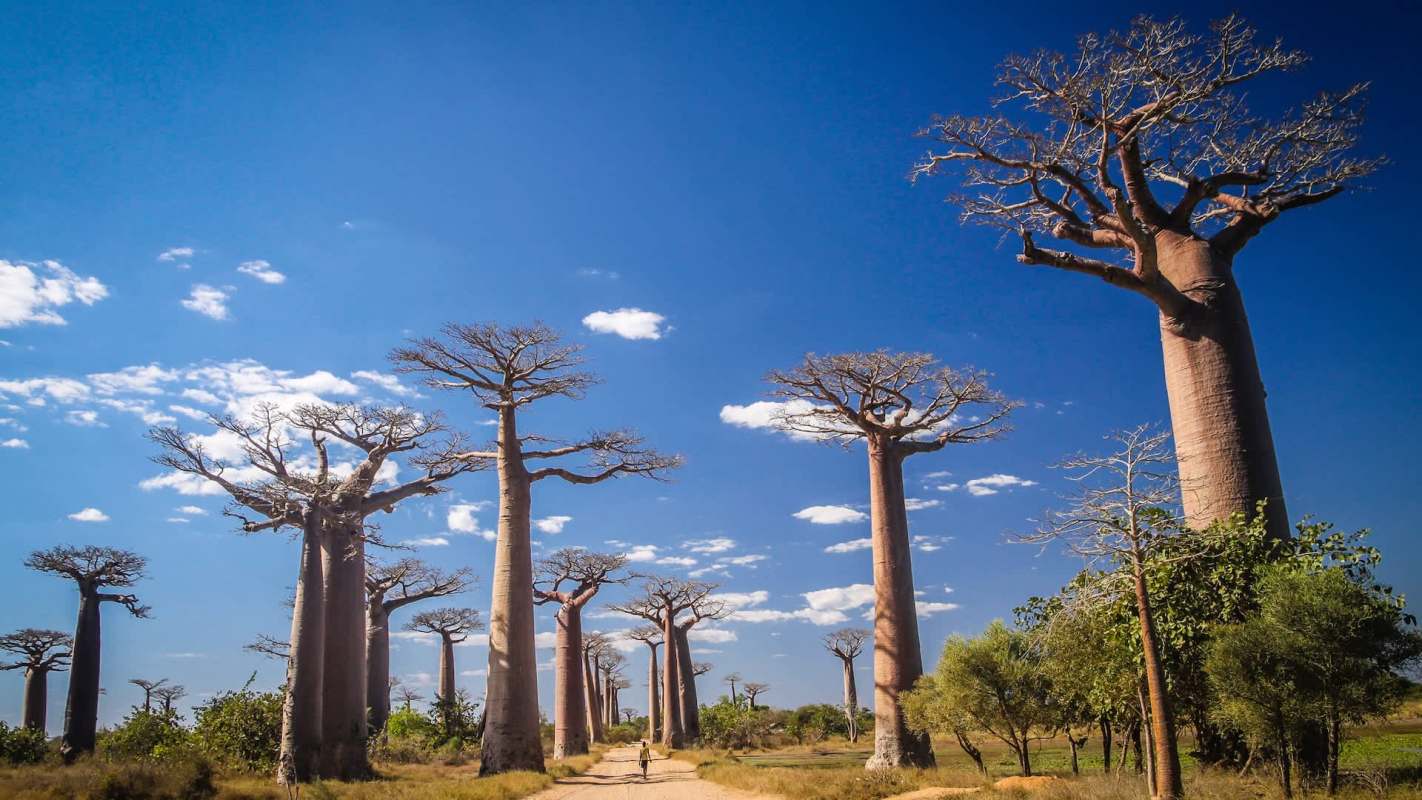
The storied baobab trees of Madagascar aren't just a signature part of the nation's captivating landscape; they're windows into hundreds of years of history.
By examining core samples from four baobab trees in southwestern Madagascar, researchers reconstructed a 700-year rainfall pattern, as they explained in a piece for The Conversation.
Their study, published in the journal PLOS One, can do far more than just unearth some of the region's past. The authors suggested it can provide important lessons for conservation, combating warming temperatures, and managing land.
Perhaps the biggest insight from the study was that both humans and shifting climate conditions reshaped the nearby areas. That bucks the notion that the island was once full of lush forest before being colonized.
Instead, the baobab trees and other locally collected samples revealed that the region experienced a "prolonged and brutal dry spell" from 1600 to 1750 that led to the combination of drought and hot weather that persists today.
Both the local climate and humans adjusted to the new realities. Grass took the place of water-hungry trees during the drought.
TCD Picks » Quince Spotlight
💡These best-sellers from Quince deliver affordable, sustainable luxury for all




Humans nurtured the increasingly grass-laden areas through land management. There was a shift from a hunter-gatherer lifestyle to agriculture and livestock to adapt to the lack of rain.
Nature did its thing, too, as new drought-resistant native plants took hold that could survive the conditions. It's apparent that humans and nature have long worked together to adapt to the changing weather.
The research can help give leaders a broader perspective on how to deal with rising challenges that plague the world today. Madagascar appears to have experienced periods of rising temperatures and drought over many centuries.
Considering Madagascar's devastating bout with Tropical Cyclone Gezani in early 2026, developing further resilience is of the utmost importance. The island nation of around 33 million people features natural wonders in addition to the baobab trees, such as leaf-tailed geckos.
The authors suggested their work be combined with similar research in Southern Africa to fill in the gaps on the area's regional climate. From there, climate policy can be informed to conserve biodiversity and combat poverty.
"The past has a great deal to teach us — if we take the time to decode and read it," the authors concluded.

Get TCD's free newsletters for easy tips, smart advice, and a chance to earn $5,000 toward home upgrades. To see more stories like this one, change your Google preferences here.







