


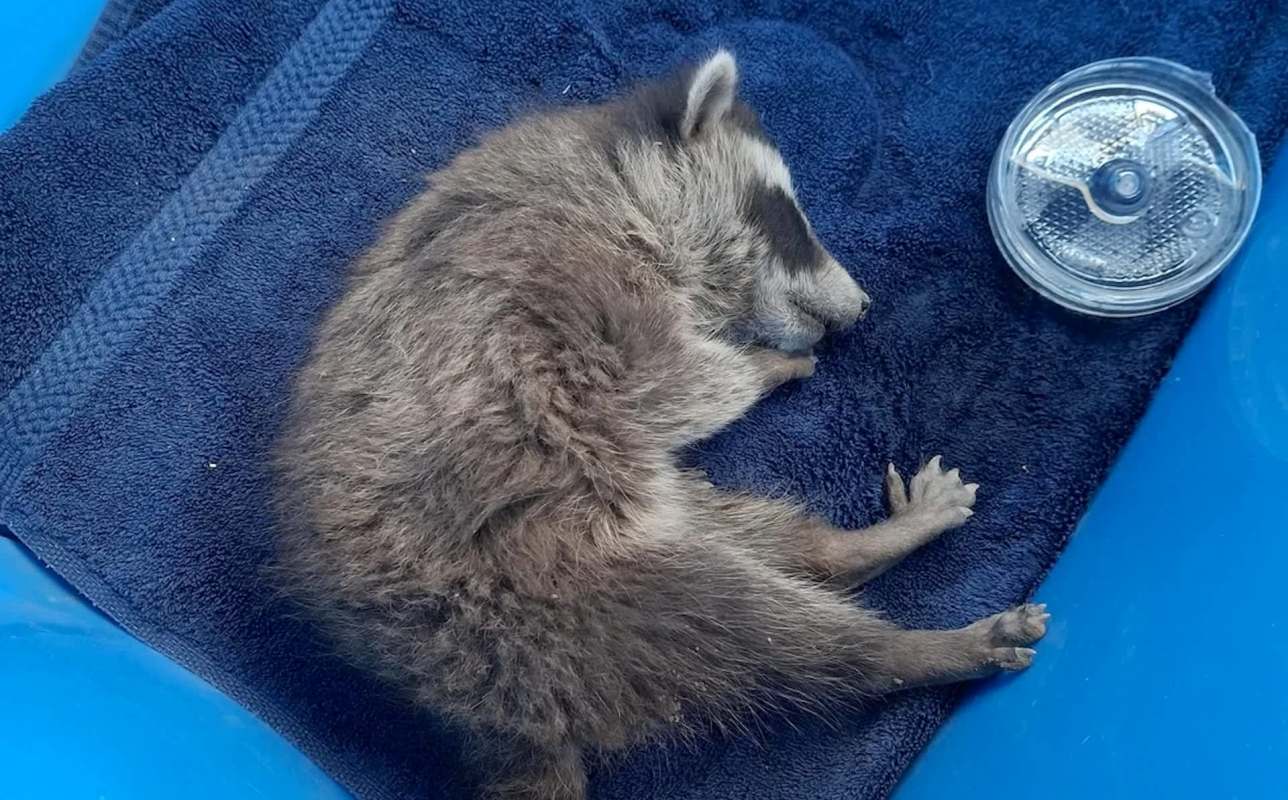
A baby raccoon that was barely moving from dehydration got a second chance after a stranger stepped in to help, highlighting how vulnerable wild animals can be when they end up in human spaces.
What happened?
In a post shared to Reddit's r/AnimalRescue community, the original poster said they found a baby raccoon in a dangerously dehydrated state and decided to help.
"Found a baby raccoon barely clinging to life and am trying to make sure the little bastard survives," they wrote alongside a picture of the animal curled up on a towel with its eyes closed next to a container of liquid. "I read room temp Pedialyte before anything else, but any and all suggestions are greatly appreciated."
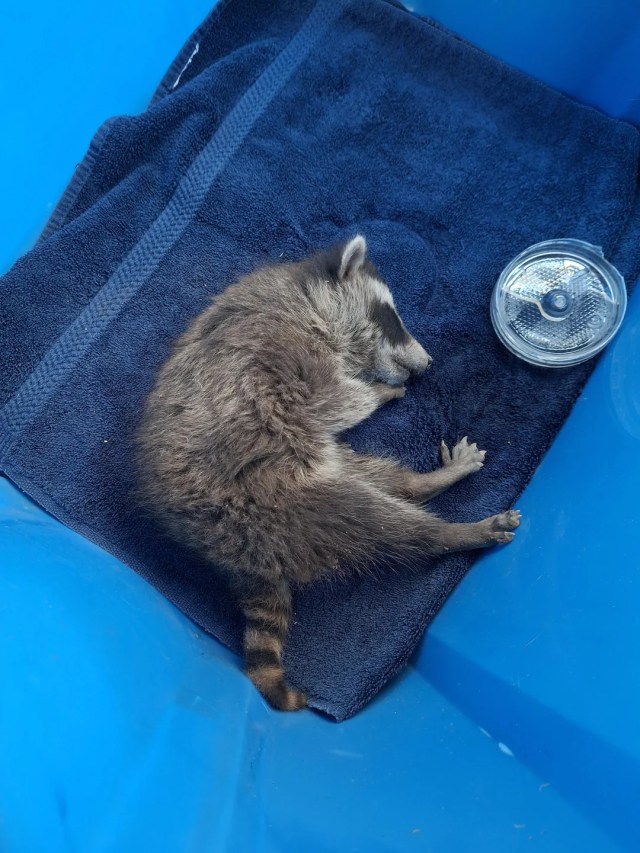
Although the write-up was short, it pointed to a potentially life-or-death moment: the young animal appeared weak enough that it may not have survived without intervention.
Baby raccoons are especially vulnerable when they are separated from their mothers, exposed to extreme heat, or left without access to water.
Raccoons are often associated with backyards, trash cans, and city alleys rather than rescue. But like many urban-adapted animals, they are still wild creatures whose survival can depend on healthy habitat, available water, and space away from constant human disruption.
TCD Picks » Quince Spotlight
💡These best-sellers from Quince deliver affordable, sustainable luxury for all




Rather than ignore the scene, the person who found the raccoon responded to the animal's distress.
Why does it matter?
Wildlife encounters like this do not happen in a vacuum. In many communities, human development has fragmented habitat, reduced natural water sources, and pushed animals into neighborhoods, roadsides, and commercial areas, where they face new dangers.
That overlap can be especially hard on young animals. Heat-trapping pavement, fenced yards, traffic, litter, and a lack of safe shelter can all make it harder for wildlife to recover from exhaustion or dehydration.
Animals living around humans often navigate conditions people have created. When those animals are in crisis, the outcome may depend on whether someone recognizes the signs of distress and knows when to call for help.
What can I do?
If you come across a wild animal that appears weak, dehydrated, injured, or unresponsive, the safest move is usually to contact a licensed wildlife rehabilitator, local animal control office, or rescue organization for guidance.
Wild animals can be unpredictable when frightened or sick, and improper handling can make matters worse for both the animal and the rescuer.
It can also help to reduce the risks that draw wildlife into dangerous situations in the first place. Keeping trash secured, avoiding feeding wild animals, driving carefully in areas with frequent animal crossings, and leaving out shallow water only when recommended by local wildlife experts can all lower stress on neighborhood wildlife.
People can also support habitat restoration and conservation efforts that protect green space and water access. Healthier ecosystems give animals a better chance of staying wild — and staying away from the kinds of emergencies that put them in human hands.
"Contact a wildlife rehabber immediately. Either they can take the raccoon in or will give you far better advice than Reddit," one commenter wrote.
"Do NOT feed this baby formula. It is possibly very dehydrated and cannot process food in that state," another added. "Find a rehabber with the resources to keep him alive."

Get TCD's free newsletters for easy tips, smart advice, and a chance to earn $5,000 toward home upgrades. To see more stories like this one, change your Google preferences here.







