


A danger potentially lurking in the waters of the Azores' islands could be reduced after efforts to overturn a landmark fishing ban stalled.
According to Mongabay, a law to safeguard Azorean waters went into effect on Jan. 1, 2026, after its initial approval in October 2024. As a result, one-third of the Azorean seascape in the North Atlantic will serve as a 110,800-square-mile marine protected area.
Fishing will be banned in fully protected areas in half of the MPA, advancing Portugal's commitment to protect 30% of its waters by the end of the decade.
At one point, though, the landmark ban appeared to be in jeopardy.
MPAs can be controversial because they limit access to fishing grounds that people rely on for their livelihoods. Nevertheless, they can help reduce the risk of marine life encountering the "silent killer" — abandoned, lost, or discarded fishing gear, also referred to as ghost gear. In the long term, this can support local economic growth and food security.
The MPA was also a point of contention in the Azores, which is home to a diverse array of shark, cetacean, turtle, and seabird species, Mongabay reported.
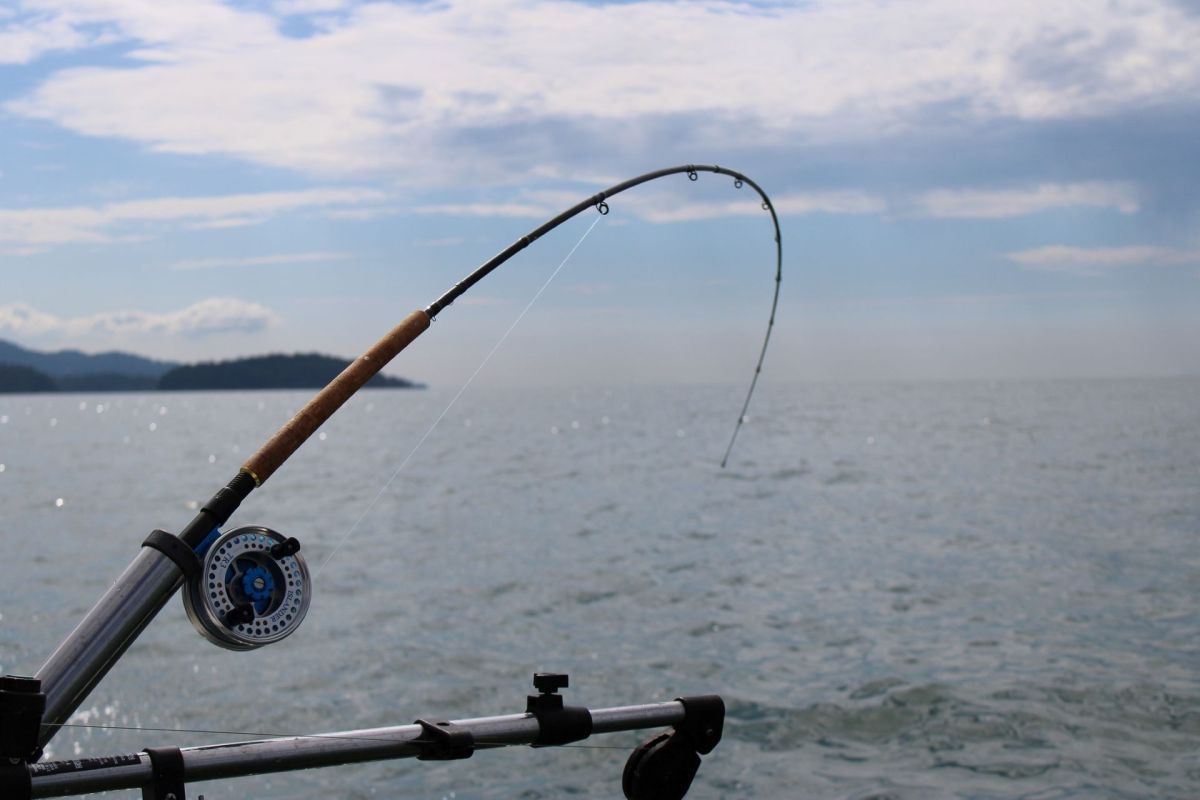
In March, the Azorean Socialist Party proposed opening up fully protected areas to pole-and-line fishing. This type of fishing is typically seen as more sustainable and low-impact.
The tuna canning industry backed the idea as some professional groups continued to oppose the ban.
Azores Fisheries Federation president Jorge Gonçalves told Mongabay that the €10 million (around $11.8 million) earmarked by the Portuguese government for Azorean fishers over the next three years wasn't enough to compensate them for the MPA's economic effects.
"[This] has to do with politics and not with the defense of resources," Gonçalves suggested, explaining that tuna only migrate through the Azores for three months in total.
TCD Picks » Quince Spotlight
💡These best-sellers from Quince deliver affordable, sustainable luxury for all




|
Which of these savings plans for rooftop solar panels would be most appealing for you?
Click your choice to see results and earn rewards to spend on home upgrades. |
 Save $1,000 this year 💸
 However, a number of politicians, researchers, and members of the public supported outlawing pole-and-line fishing in fully protected areas. On Jan. 15, the Azores Parliament voted to uphold the no-fishing zones.
This essentially ended a push to allow pole-and-line tuna fishing in these areas, which would have been "catastrophic and damaging to the region," according to Luís Bernardo Brito e Abreu, coordinator of conservation organization Blue Azores, per Mongabay.
Portuguese environmental association ZERO lauded the Jan. 15 decision as "historic" on its website. ZERO researcher Joana Soares told Mongabay that permitting fishing in fully protected areas would have "set a very dangerous precedent."

Get TCD's free newsletters for easy tips to save more, waste less, and make smarter choices — and earn up to $5,000 toward clean upgrades in TCD's exclusive Rewards Club.
Cool Picks






